


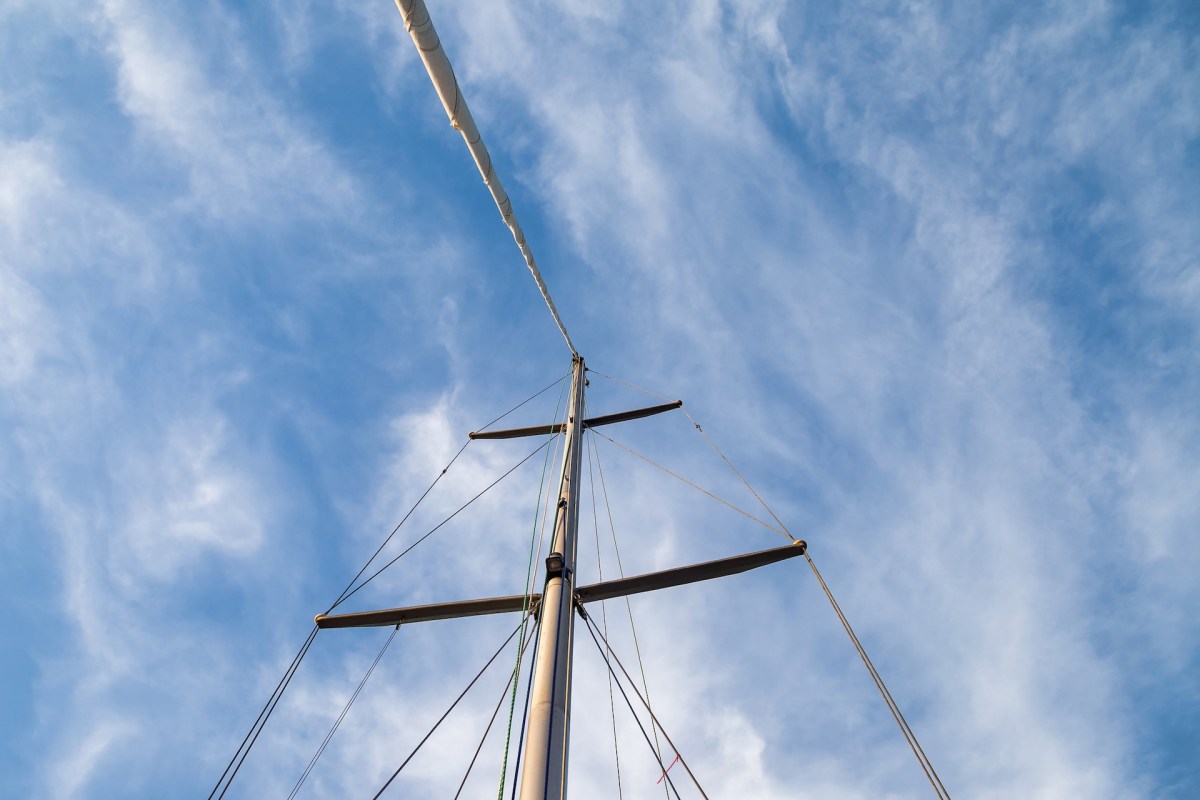
A massive luxury vessel linked to fossil fuel wealth is once again drawing attention off the coast of Maine.
The M5 is hard to overlook off of Bar Harbor. The vessel, billed as the world's largest single-mast sailing yacht, is anchored nearby with a mast that rises 291 feet.
What happened?
According to Bangor Daily News, the $50 million superyacht had been in the area since July 3 and was anchored the following Monday in Frenchman Bay off Bar Harbor. It's said the mast was visible above Bar Island from State Route 3.

The publication noted that the yacht entered service in 2004 as Mirabella V, was designed by Ron Holland, and was built by U.K. shipbuilder Vosper Thornycroft.
According to SuperYachtFan, the 250-plus-foot vessel can carry up to 16 guests and 17 crew members, and its first owner was former Avis CEO Joseph Vittoria.
Its current owner is Rodney Lewis, the founder of Lewis Energy Group and a Texas billionaire whose fortune came from oil and gas.
TCD Picks » Quince Spotlight
💡These best-sellers from Quince deliver affordable, sustainable luxury for all




Forbes has identified Lewis Energy Group as one of Texas' top gas producers, and TCPalm reported that before heading to New England on June 11, the yacht had been in Fort Pierce, Florida, for routine maintenance.
Why does it matter?
The M5 combines lavish scale with heavy operating demands. SuperYachtFan estimated annual upkeep at roughly $5 million and said the yacht relies on two Caterpillar diesel engines that can move it at about 14 knots. So while the large mast means it can harness a lot of wind energy, it's still relying on significant diesel fuel to operate in most situations and to run things like air conditioning and cooking inside.
Its presence also draws attention because the vessel belongs to an owner whose wealth comes from fossil fuel production. Superyachts have a well-earned reputation for significant pollution of waterways, which only adds to concerns.
What can I do?
The Bar Harbor Story reported that the M5 appeared near Mount Desert Island in 2024, suggesting this is not a one-off visit. Its return marks another Maine appearance by a vessel linked to outsized wealth and fossil fuel power.
The visit raises fears about marine conservation and the enforcement of coastal protections. Many public movements oppose superyachts, so joining one can be a great way to make your voice heard.
Opponents of luxury yachts can advocate for higher taxes on these vessels or at least ensure the public isn't on the hook for the associated costs.
Considering superyachts are a major example of how the ultrarich are disproportionately polluting, it's unsurprising that these sorts of visits attract plenty of scrutiny.

Get TCD's free newsletters for easy tips, smart advice, and a chance to earn $5,000 toward home upgrades. To see more stories like this one, change your Google preferences here.






