


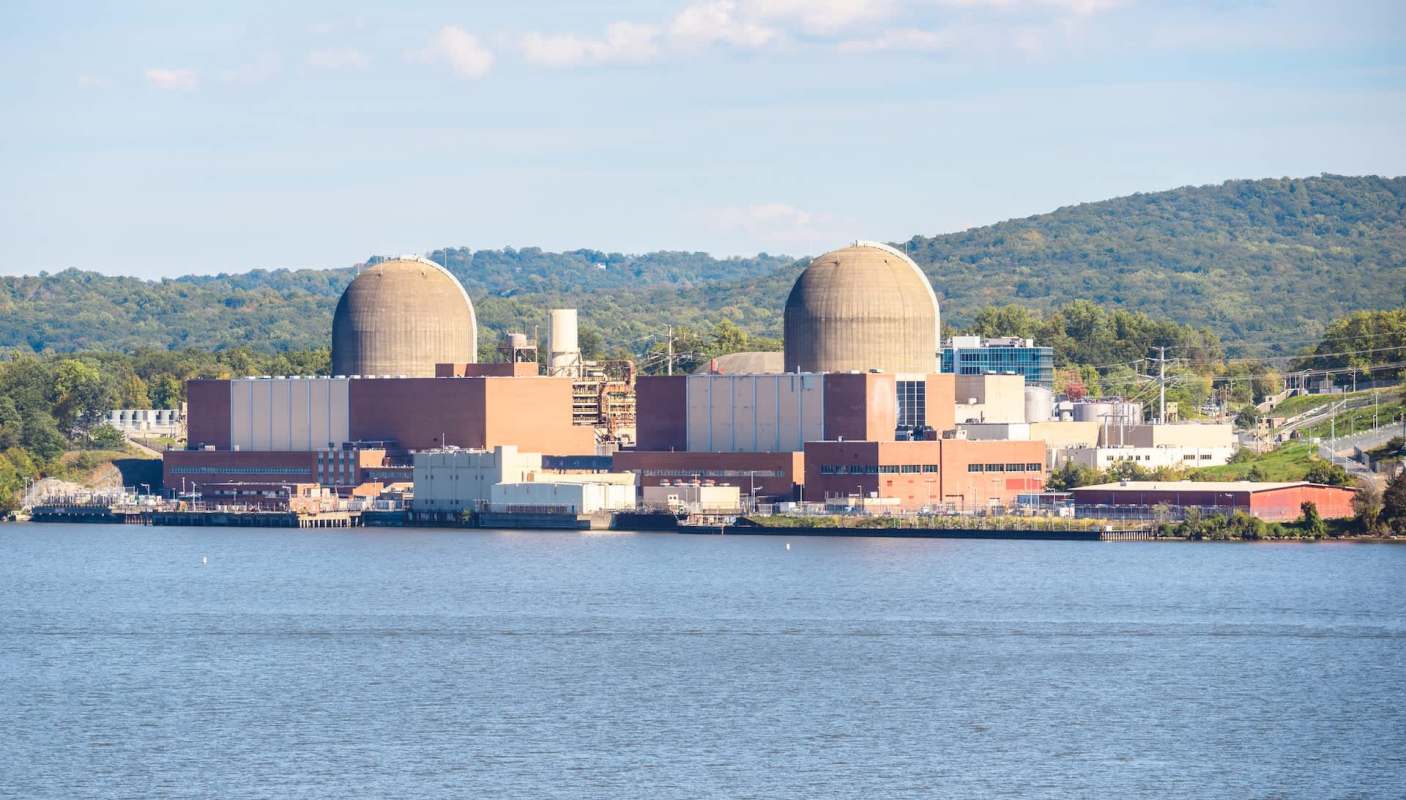
A senior Indian lawmaker is raising an alarm over plans to store radioactive waste at the Kudankulam Nuclear Power Project, warning that the decision could endanger nearby communities and ecosystems, according to a report from The Hindu.
Tamil Nadu Assembly Speaker M. Appavu has blamed the Nuclear Power Corporation of India Limited for proposing to store nuclear waste generated by the plant's reactors on-site.
Speaking at a public event, Appavu said radioactive waste should be stored "in a desert and not in the midst of thickly populated villages," emphasizing the risks faced by people living near the coastal facility.
The Kudankulam plant operates two 1,000-megawatt reactors, with four additional reactors expected to be commissioned in phases.
According to Appavu, NPCIL has yet to develop or acquire the technology needed to safely store nuclear waste in specially designed underground repositories. He said the corporation had openly admitted this fact before India's Supreme Court during a related hearing.
"If the radioactive nuclear waste from the first two reactors and four more reactors, getting ready for commissioning in a phased manner, is buried on the KKNPP site itself, it will render this populous region uninhabitable in the near future," Appavu said, per The Hindu.
Appavu highlighted environmental concerns beyond radioactive waste, pointing to coastal erosion linked to infrastructure built for the plant's mini-port. He said the groyne constructed in the sea is already causing erosion in neighboring coastal villages, posing "a serious threat to the fishermen's houses and boats" while endangering local livelihoods.
Nuclear power plays a complicated role in the global push to address climate change. On one hand, nuclear plants produce large amounts of electricity with low direct carbon pollution, which can help reduce reliance on fossil fuels and support energy security.
On the other hand, unresolved challenges — including radioactive waste storage, safety concerns, and high costs — continue to spark opposition, particularly when facilities are located near densely populated areas or sensitive ecosystems.
Appavu argued that these risks are being unfairly borne by local residents. "Since the … NPCIL have built the nuclear reactors in a thickly populated coastal region, instead of a desert, the fishermen and others are facing serious threats to their lives and livelihood," he said, per The Hindu.
TCD Picks » Quince Spotlight
💡These best-sellers from Quince deliver affordable, sustainable luxury for all




|
Would you feel safe living close to a nuclear power plant? Click your choice to see results and speak your mind. |
 Absolutely ✅
Get TCD's free newsletters for easy tips to save more, waste less, and make smarter choices — and earn up to $5,000 toward clean upgrades in TCD's exclusive Rewards Club.
Cool Picks





