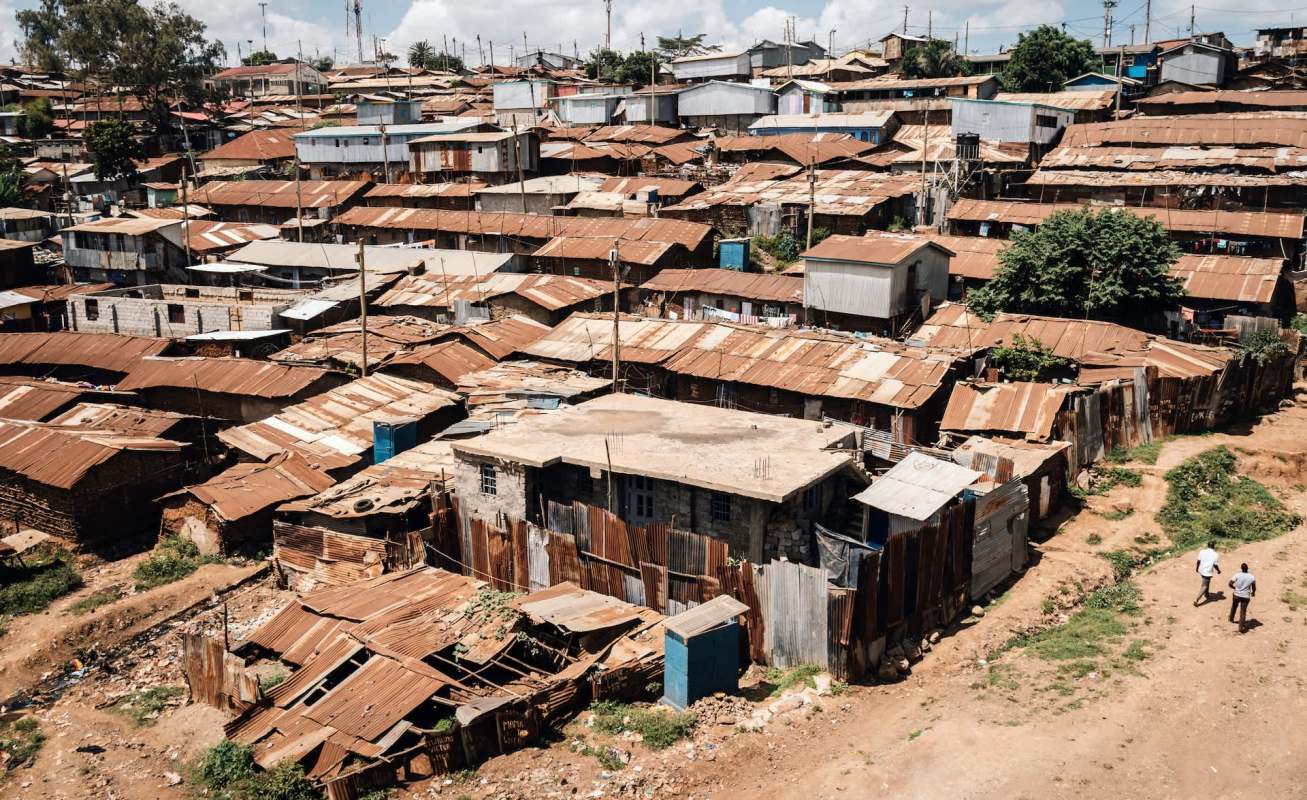
In Kawangware, one of the largest informal settlements in Nairobi, Kenya, residents are facing worsening droughts and floods that threaten their safety, homes, and food supply. With little infrastructure and few resources, these communities are on the front lines of the climate crisis, per the Independent, even though they've contributed the least to global carbon pollution.
What is a slum?
Nairobi's "informal settlements" — often called slums — are unplanned, densely populated neighborhoods that fall outside formal city planning. Roughly 60% of the city's population lives in such settlements, squeezed into just 6% of its land. Across the globe, around 1.1 billion people live in similar conditions, representing about 15% of the world's urban population, per the Independent.
Why are changing weather patterns important?
Extreme weather events are becoming more common across East Africa. When rainfall fails, food prices spike. When rains come too heavily, flash floods wash away homes, contaminate water supplies, and spread waterborne diseases like cholera.
Residents like Jane Changawa said they now live in fear of the changing weather. Flooding in 2024 displaced thousands of families in Nairobi County, while drought has driven food inflation so high that everyday essentials now cost up to eight times what they did a few years ago. For many, that means skipping meals or relying on unsafe water.
"There was water in the yard and all over the house, and we could not work; we had to leave," the 59-year-old said. "Every time it rains now, I am afraid that the floods will come back."
The problem isn't just climate — it's also inequality. Poor drainage systems, overcrowded housing, and weak government infrastructure make floods especially devastating. Many of these neighborhoods aren't recognized on official city maps, so they don't receive basic public services like sanitation or waste management. As a result, even small storms can turn deadly.
How community helps with extreme weather
Despite limited support, grassroots organizations are helping residents build resilience. The Association of Women in Agriculture Kenya trains women to grow vegetables on rooftops and manufacture charcoal briquettes from organic waste. These projects give women an income, provide affordable food during droughts, and help reduce deforestation by offering an alternative to traditional firewood.
Some residents have also learned to collect rainwater in tanks for irrigation — an essential survival strategy as rainfall becomes more unpredictable. "When a woman brings in her own income, she is more respected," Changawa explained, per the Independent. "She gets a seat at the negotiating table."
Nairobi's informal settlements reveal how climate change deepens existing inequalities. While global efforts like COP30 focus on pollution targets, communities like Kawangware show that climate action must also include adaptation and justice. Ignoring these areas now will be far more costly — in human and financial terms — than investing in resilient infrastructure today.
|
Do you feel safe drinking the tap water where you live? Click your choice to see results and speak your mind. |
 Always 👍
Join our free newsletter for good news and useful tips, and don't miss this cool list of easy ways to help yourself while helping the planet.
TCD Picks » Upway Spotlight
💡Upway makes it easy to find discounts of up to 60% on premium e-bike brands





Cool Picks