


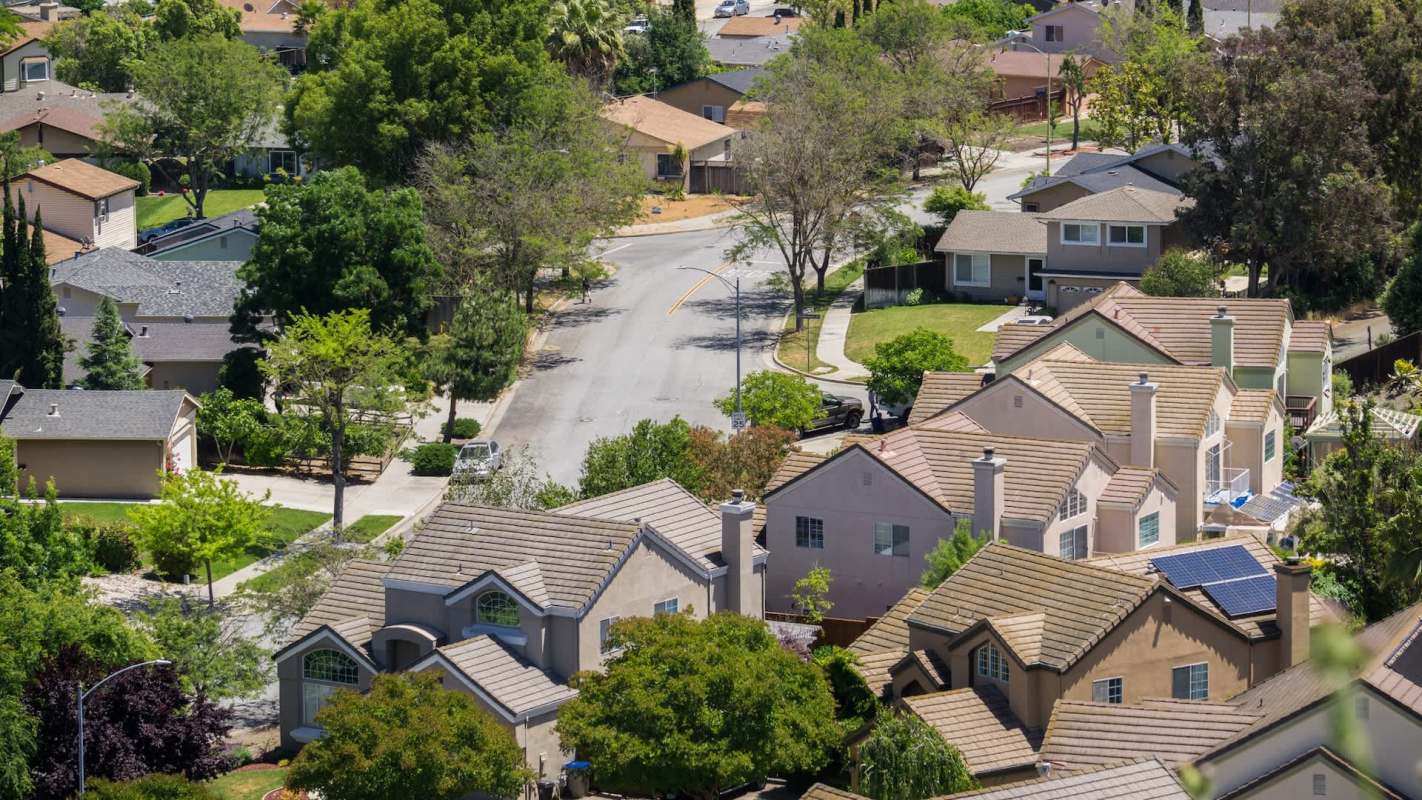
California homeowners are feeling the pressure as home insurance costs skyrocket across the state, but some locales are being hit harder than others, according to the San Francisco Chronicle.
What's happening?
The California FAIR Plan Association, an insurance agency offering basic fire insurance for homeowners, renters, and business owners, released data on insurance costs by ZIP code.
Prices for fire coverage plans range from $92 to a whopping $32,000, according to the San Francisco Chronicle.
The average homeowner covered by the FAIR Plan paid over $3,000 a year. Renters paid an average of $466, although coverage only applies to personal belongings rather than damage to structures themselves.
The costs of policies are largely determined by the property's fire risk and the amount the FAIR Plan would need to pay if the property is damaged or destroyed in a fire.
FAIR Plan prices are expected to increase across the board as the agency awaits approval for a pending request to hike the average rate by 35.8% due to budget constraints, the Chronicle reported.
Why are rising insurance costs important?
As insurance premiums become increasingly more expensive, communities are at risk of losing affordable protection against extreme weather events like wildfires.
Some insurance companies are dropping coverage altogether to avoid insuring areas at risk of damage from natural disasters.
This is especially concerning as extreme weather events become more frequent and more severe. This is a result of harmful human activities, such as burning polluting fuels like coal and oil.
These problematic practices contribute to the increase of global temperatures, disrupting natural weather patterns and creating the conditions in which storms, wildfires, and heat waves or cold snaps form.
TCD Picks » Quince Spotlight
💡These best-sellers from Quince deliver affordable, sustainable luxury for all




|
Which of these savings plans for rooftop solar panels would be most appealing for you?
Click your choice to see results and earn rewards to spend on home upgrades. |
 Save $1,000 this year 💸
 Homeowners, tenants, and business owners may scramble to make sure they are properly insured in the wake of these threats, leaving them no choice but to accept the rising costs of policies.
The FAIR Plan is an example of last-resort coverage for residents as private insurers drop plans.
What's being done about rising insurance costs?
While there is not a single solution to rising insurance costs, federal and state policies can provide significant relief to policyholders.
In addition to regulatory frameworks, extreme weather risk reduction is essential for building preventative and protective infrastructure in the wake of disasters like floods and wildfires. For example, researchers have recently created fire-resistant panels from sawdust waste — a game-changer for the construction industry and climate resilience.

Get TCD's free newsletters for easy tips to save more, waste less, and make smarter choices — and earn up to $5,000 toward clean upgrades in TCD's exclusive Rewards Club.
Cool Picks




