


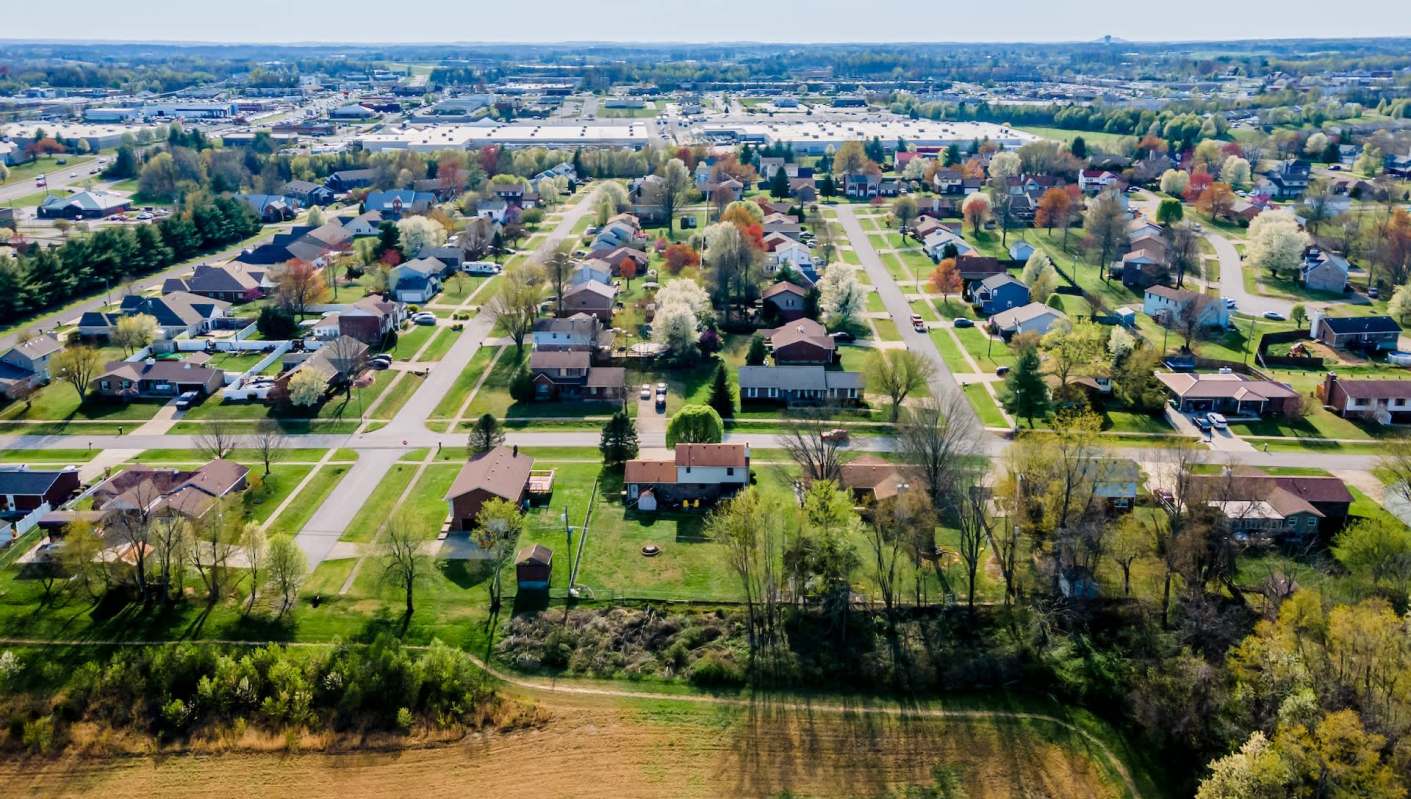
As extreme weather becomes more frequent and intense across the United States, many homeowners are grappling with higher insurance rates and dropped coverage.
Lawmakers in Kentucky, a state that is experiencing more flooding, hail, tornadoes, and extreme heat amid rising global temperatures, recently met with insurance experts to explore solutions.
What's happening?
As LEX 18 News explained, high-risk states have had more instances of dropped coverage and rate hikes due to changing weather conditions. Kiplinger reported that the average annual home insurance cost was around $3,643, making the Bluegrass State one of the most expensive states for property insurance.
In response to heightened risks, some companies are reducing or stopping coverage in states that experience the most costly disasters. Kentucky does offer a FAIR Plan as a last-resort option, but coverage is typically limited and more expensive than with traditional plans.
"Markets are being exited, accessibility is sometimes limited, and affordability for various reasons — construction costs and other things — [is] just skyrocketing. And we fear that those markets will be out of touch for the average person," Sen. Robin Webb, the chair of Kentucky's Disaster Prevention and Mitigation Task Force, told the news outlet.
On top of these challenges, the state spends much less on disaster mitigation than other states, according to the Kentucky Center for Economic Policy.
TCD Picks » Quince Spotlight
💡These best-sellers from Quince deliver affordable, sustainable luxury for all




In 2018, the Federal Emergency Management Agency noted that Kentucky provides only 12% of the 25% local match required for federal Hazard Mitigation Grant Program projects. Meanwhile, in 2014, the state's general assembly reduced the budget for annual disaster spending, raising concerns from Gov. Andy Beshear, as the Northern Kentucky Tribune reported.
Why are rising home insurance costs in Kentucky concerning?
With weather-related risks on the rise, there are more claims and more expensive damage, forcing insurers to raise premiums to offset their losses. This also makes it costlier for homeowners to rebuild, which affects the premiums needed to cover repairs. Skyrocketing insurance and home costs have a domino effect, reducing affordability and increasing the potential for uninsurability in high-risk areas.
States across the U.S. are dealing with the home insurance crisis, especially in weather-battered California, Texas, Louisiana, and Florida. In Texas and California, major insurers such as Progressive and Liberty Mutual have even exited markets or severely reduced coverage.
What's being done to address the issue?
The task force concluded that the state must spend more on adaptation and mitigation efforts. Webb explained that every dollar spent on flood resilience could save the state $4-12 in future disaster repair costs.
|
Should the government continue to give tax incentives for energy-efficient home upgrades? Click your choice to see results and speak your mind. |
 Absolutely 💯
 "So, we're going to look at all the technical things, all the programs that are out there, how to build better, how to build smarter to save lives primarily and to save money and to allow citizens to maintain insurance," she added.
Meanwhile, officials in New York City are taking action with engineering solutions to reduce flood risk in subways and improve sewer maintenance. In California, lawmakers have approved climate resilience insurance and grant programs to help uninsured homeowners following the devastating wildfires in January.
Adding disaster-proof features to your home, such as fire-resistant roofing and siding and stainless-steel or multipaned windows, can lower insurance costs and protect your property during severe weather. Improving insulation can also add strength and reduce energy use, as a bonus.

Join our free newsletter for good news and useful tips, and don't miss this cool list of easy ways to help yourself while helping the planet.






