


Nigeria may soon take a major step to protect communities and public health by tackling plastic pollution.
The House of Representatives has proposed a "green tax" on polypropylene manufacturers to curb plastic pollution, boost recycling, and hold corporations accountable, The Cable reported.
At the ad hoc committee on the ban of single-use plastics' inaugural meeting in Abuja, Chairperson Terseer Ugbor emphasized that the measure is about protecting people and the environment. He noted that polypropylene production releases harmful chemicals such as formaldehyde and benzene, which can endanger workers and residents.
"This is not about taxation. It is about responsibility, sustainability, and protecting the future of the environment and our people," Ugbor said.
While polypropylene provides the versatility and durability many industries rely on, those same traits make it a major environmental problem.
Once discarded, it can linger in landfills and waterways for decades, breaking down into microplastics that contaminate soil, food, and water. According to a study published in Materials Today: Proceedings, it could take up to 30 years for polypropylene to degrade.
If implemented, the green tax would fit into a broader framework to be developed with the Federal Ministry of Environment and National Environmental Standards and Regulations Enforcement Agency. The committee also plans to hold a public hearing with manufacturers, recyclers, and experts.
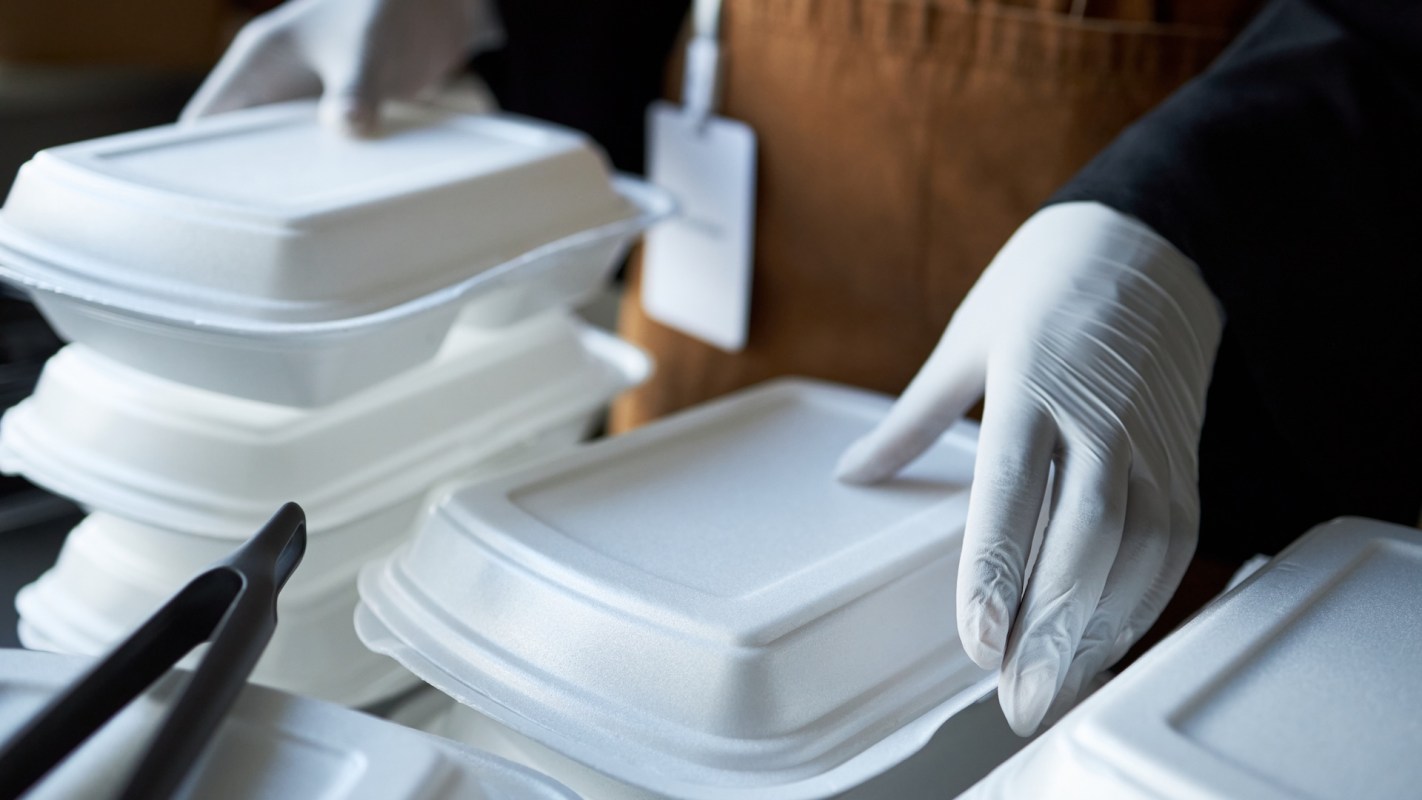
Polypropylene isn't the only plastic raising concerns. Styrofoam and other single-use plastics can linger in the environment for centuries, breaking into tiny pieces that wildlife may ingest. Styrene can also seep into food, and long-term exposure may affect human health. Using reusable non-plastic options can limit these risks and safeguard both communities and ecosystems.
The green tax proposal follows growing momentum across Nigeria to reduce plastic waste. In 2024, the Lagos State Government banned the use and distribution of single-use plastic and Styrofoam. The Associated Press reported that offenders risk having their businesses shut down.
The U.N. Environment Programme highlighted in a 2018 news release that while plastic bag bans were gaining traction, other harmful single-use products such as microbeads received little attention. If plastic pollution continues at its current rate, the industry could use up to 20% of the world's oil by 2050.
|
Should companies be required to help recycle their own products?
Click your choice to see results and speak your mind. |
 Definitely 👍
 Some people worry about the costs and impacts to livelihoods of such legislation, but supporters say the long-term benefits — safer food systems and cleaner streets — outweigh the challenges.
TCD Picks » Quince Spotlight
💡These best-sellers from Quince deliver affordable, sustainable luxury for all




Individuals also play a role in addressing plastic waste. Simple swaps such as using reusable bags or choosing plastic-free options for everyday items can complement these policy efforts and make a difference.

💰Get TCD's free newsletters for easy tips to save more, waste less, and make smarter choices — and earn up to $5,000 toward clean upgrades in TCD's exclusive Rewards Club.
Cool Picks





