


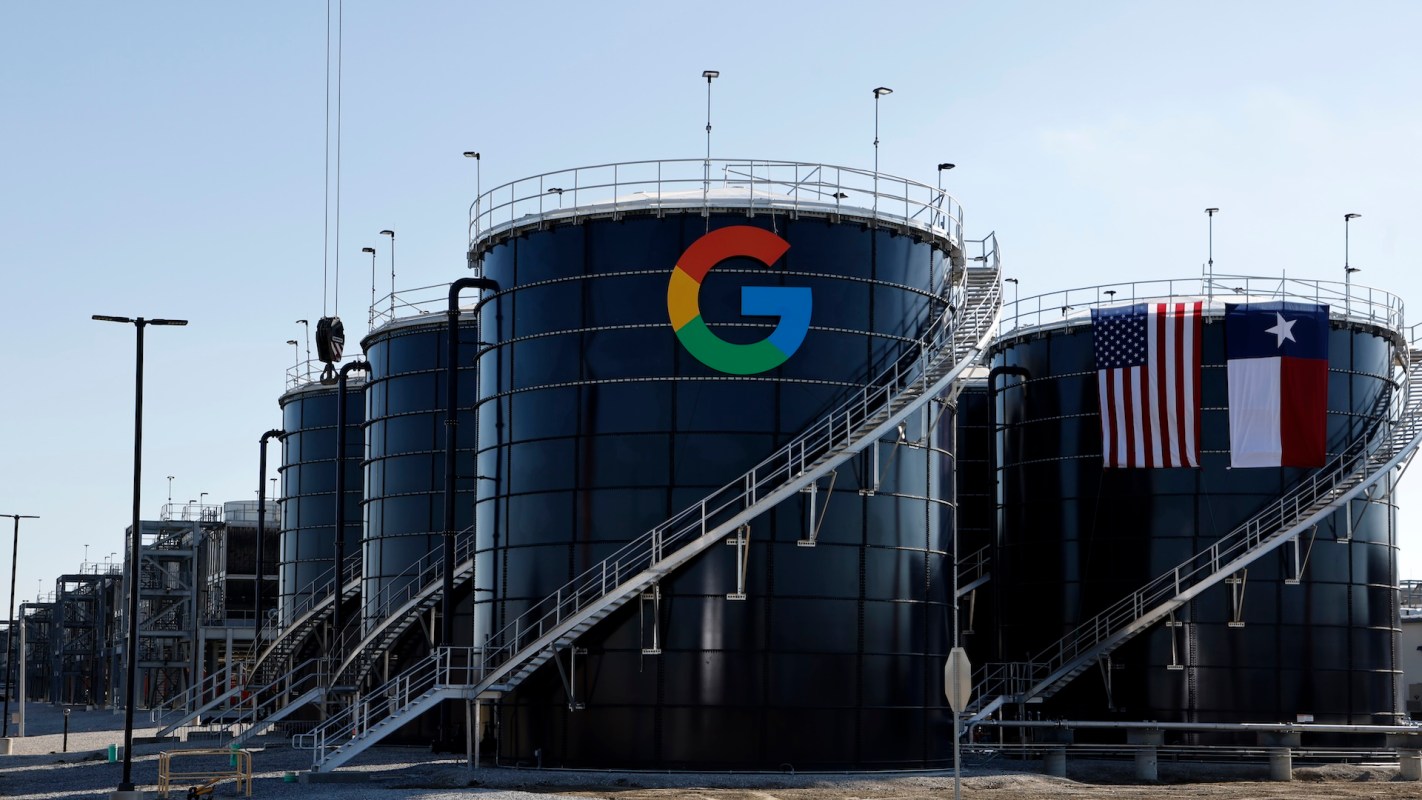
Nearly 20 years ago, Google made a commitment to the environment — one it appears to be in the process of breaking with a new methane gas energy plant, according to the Guardian.
What's happening?
In 2017, Google commemorated its 2007 decision to become a carbon-neutral company.
"We knew climate change was a global issue that needed urgent action, so we accelerated our efforts to make our operations carbon neutral," the search giant said at the time.
By 2020, Google touted its progress in carbon neutrality: ensuring emissions were minimized and offset when necessary.
In that whitepaper, the firm unveiled an "ambitious new goal: to operate on carbon-free energy, 24 hours a day, 7 days a week, 365 days a year — all by 2030."
For over two decades, Google appeared to be sincerely committed to minimizing its environmental impact, despite its 2015 decision to abandon its original "Don't Be Evil" ethos, as Time reported.
On April 2, the Guardian reported that clean energy market intelligence firm Cleanview had "unearthed" new information about Google's partnership with Crusoe Energy regarding a new natural-gas power plant to supply energy to a data center in Texas.
In addition to obtaining Crusoe Energy's 465-page planning application, Cleanview used satellite surveillance to confirm that the natural gas power plant — which would emit more carbon each year than the city of San Francisco, according to the Guardian — was underway.
Cleanview founder Michael Thomas sounded perplexed by the news.
"Google has spent decades crafting an image as a clean energy leader. I've always considered them to be the most committed to their climate goals. But these projects suggest a major strategic pivot at the company could be under way," he conceded to the Guardian.
TCD Picks » Quince Spotlight
💡These best-sellers from Quince deliver affordable, sustainable luxury for all




|
Which of these savings plans for rooftop solar panels would be most appealing for you?
Click your choice to see results and earn rewards to spend on home upgrades. |
 Save $1,000 this year 💸
 Why is this concerning?
A spokesperson for Google told the Guardian that the company didn't "have a contract in place for the plant in Texas," a statement that fell suspiciously short of a simple "no." However, it is being built directly on the campus of an existing Google data center, which it operates in partnership with Crusoe.
It wasn't all that long ago that Google expanded its original 2020 commitment, promising to use carbon-free energy across all its operations by 2023, per the Guardian.
As for what changed, the Guardian noted that Google acknowledged a 48% rise in emissions between 2019 and 2024, citing energy use by data centers.
Energy wasn't the only resource in dispute — earlier this year, officials in Virginia scrambled to prevent Google from further depleting already strained local water supplies.
Data centers have become emblematic of the rapidly spiking friction between the general public and the tech firms racing to dominate the emerging field of AI, as the facilities have proven detrimental on a local and national scale.
Notably, an increase in data centers has led to a dramatic spike in electric bills nationwide, saddling households with exorbitant utility costs in the name of AI innovation — and officials have warned that the public grid cannot support the growing demand.
What's being done about it?
Thomas drew a line between data centers and Google's apparent abandonment of its long-held sustainability pledges.
"... What has happened in the last few months is that the story has become more complicated … There's this tension with the race to build AI," he observed.
While Google is powerful, communities taking action have shown that everyday people are, too. In the last three months of 2025 alone, public pushback blocked $98 billion in data center development.

Get TCD's free newsletters for easy tips to save more, waste less, and make smarter choices — and earn up to $5,000 toward clean upgrades in TCD's exclusive Rewards Club.
Cool Picks




