


Shopping at thrift stores is one of the smartest consumer decisions you can make to save money and keep perfectly usable clothes and homeware out of the trash.
However, a TikTok video revealed disturbing footage of how Goodwill items still end up in landfills despite the best intentions of donators.
What's happening?
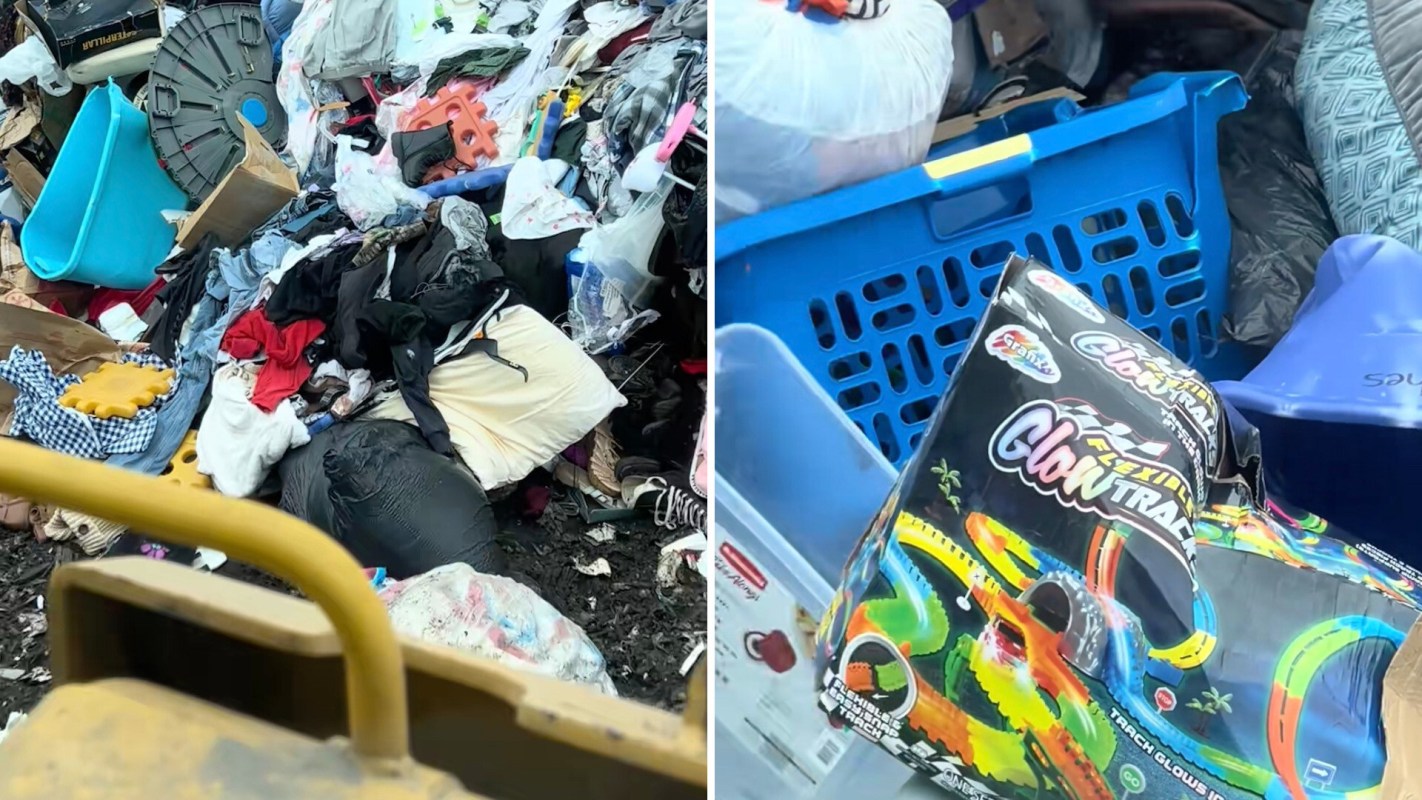
That Landfill Guy (@thatlandfillguy) posted a video of him discovering piles of Goodwill trash while working in a Wisconsin landfill.
@thatlandfillguy #fyp #foryoupage #landfilloperator #usa #wisconsin #wastemanagement #treasure #dumpsterdiving #goodwill ♬ original sound - That Landfill Guy
In the video, he described his nostalgic affection for Goodwill stores, recalling that he'd explored their aisles with his grandma during his childhood.
Seeing so many discarded Goodwill items in the landfill brought back these memories and also highlighted a surprisingly wasteful business practice.
"I have one of these fans right here," That Landfill Guy shared while driving through the trash. "I've had it since I was a kid, and I still use it to this day."
The video continues with him pointing out familiar items scattered among the clutter. Many appear in good condition and could have been put to better use than simply being tossed into a dirt pit, where they will contribute to pollution as they slowly decompose.
"Should be illegal," one TikToker commented on the video. "They should have free bins in every store."
Why is the practice of landfill dumping by thrift stores concerning?
Thrift shops often receive a high volume of donated items, and stores can't always handle and sell all the items they receive.
As a result, some of these items get discarded into the trash. However, many of these goods could be reused or repurposed with the right resources available.
TCD Picks » Quince Spotlight
💡These best-sellers from Quince deliver affordable, sustainable luxury for all




|
Should it be illegal to throw away old clothes?
Click your choice to see results and speak your mind. |
 Heck yes 👍
 When thrift store items are thrown away, they contribute to landfill overflow and begin to release harmful gases into the atmosphere as they decompose over time.
That Landfill Guy's video highlights the frustrating practice of thrift store waste and the missed opportunities to curb landfill pollution and support sustainability.
By watching videos like this, some people may be discouraged from donating to or shopping at thrift stores because of the perception that their sustainable practices do not make a significant difference.
Is Goodwill doing anything about this?
In his video, That Landfill Guy did not speak with a Goodwill representative about the donation dump or share details about why the items ended up in the landfill.
However, Goodwill has publicly shared information about what it does with donations that don't sell.
The company has ways to reuse or recycle most of what it receives. For example, Goodwill sends torn garments to a warehouse to be used for wiping cloths or sells them to artists and local boat builders.
It has partnerships with tech companies to recycle unusable electronics and with businesses that buy kitchenware and stuffed animals in bulk. Goodwill stores also recycle unusable items, such as warped plastic toys and artificial Christmas trees.
However, there are donated items that not even a major company like Goodwill can repurpose. When a Goodwill store receives old mattresses, air conditioners, and other items it can't sell, it must divert them to landfills because no other option is available.
Goodwill Northern New England keeps over 40 million pounds of goods out of local landfills annually.
What's being done about thrift store waste more broadly?
These examples give us hope that reputable and sustainability-minded thrift stores are doing everything they can to keep items out of the trash.
Hopefully, the situation in That Landfill Guy's video is an outlier and a rare occurrence that will become increasingly less common as recycling options improve.
As an individual, you can help keep thrift store items out of the trash by learning what you can and can't donate. To minimize your environmental impact, consider reducing your personal plastic usage and opting for plastic-free alternatives in your daily life.
Also, learn more about the thrift stores that you donate to and buy from to ensure that their business practices align with your values and help you further your sustainability goals.

Join our free newsletter for good news and useful tips, and don't miss this cool list of easy ways to help yourself while helping the planet.
Cool Picks






