


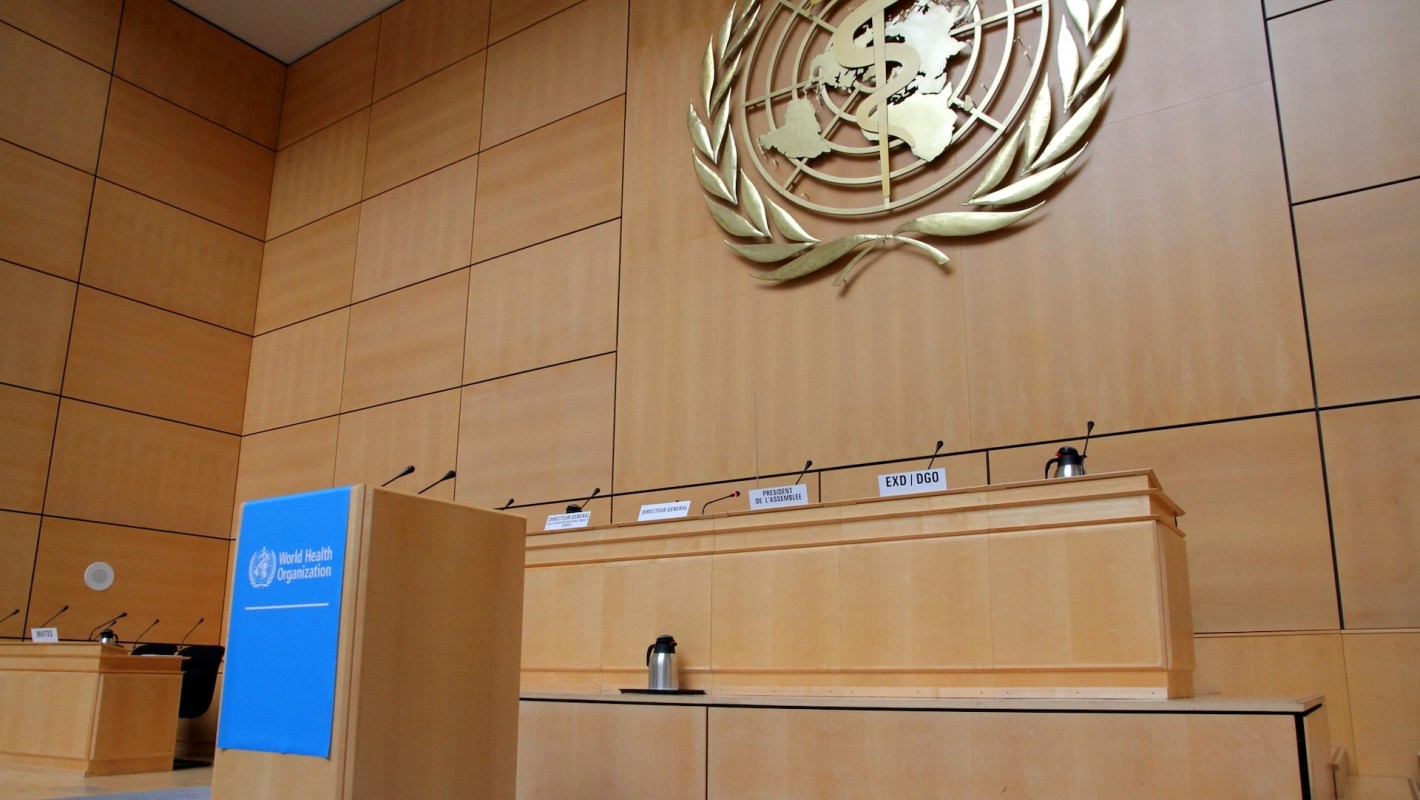
Once high hopes for an international treaty governing plastic production and waste have come crashing down as countries failed yet again to reach an agreement during recent talks in Geneva, Switzerland, the BBC reported.
Despite extending negotiations into the final evening of the meeting on Aug. 14, a deal could not be struck, leading to consternation from many. The delegation from Cuba lamented that the world had "missed a historic opportunity but we have to keep going," per the outlet.
What's happening?
Negotiations to reach a global plastic treaty began in earnest in 2022, with participants later setting a deadline of December 2024 to yield a comprehensive, binding agreement, according to the BBC.
However, that deadline came and went with no deal struck.
At the heart of the impasse has been a disagreement about capping plastic production. Recycling and waste management regulations have been widely favored. But oil-producing countries and corporations, perhaps seeing plastic production as essential to their economic futures, have opposed restrictions on manufacturing more of the material.
With the global economy transitioning away from reliance on dirtier, nonrenewable energy sources like oil and toward cleaner renewables like solar and wind, oil-producing states and stakeholders seem to see plastic production as a way to continue to profit from their oil reserves.
The U.S. threw a wrench into this round of negotiations from the outset, circulating a memo that stated its outright opposition to caps on plastic production. The statement essentially placed the world's largest economy on the side of the outliers opposed to caps.
Those who had traveled to Geneva in the hopes of reaching an agreement that would significantly curb plastic production and waste were left deeply disappointed.
"We are repeatedly returning home with insufficient progress to show our people," said the delegation of Palau, a Pacific island nation that spoke on behalf of island states, per the BBC. "It is unjust for us to face the brunt of yet another global environmental crisis we contribute minimally to."
Those managing the talks have been taking a consensus-based approach, one requiring agreement from all parties, according to the Associated Press. Some participants are calling for a change of course, feeling the process must be altered in order to take solid steps forward. Those parties are advocating for treaty proposals to be brought to a vote, in which some participants believe production caps could win, with over 100 nations reportedly supporting them.
TCD Picks » Quince Spotlight
💡These best-sellers from Quince deliver affordable, sustainable luxury for all




|
Should the government ban gas-powered lawn equipment? Click your choice to see results and speak your mind. |
 Absolutely 💯
 Others, though, still believe consensus is needed to ensure meaningful follow-through from the nations currently opposed to caps and related measures.
Proponents of a binding agreement expressed uncertainty about where the process will go from here but vowed to continue the push to rein in plastic production and waste.
"This work will not stop, because plastic pollution will not stop," said Inger Andersen, executive director of the United Nations Environment Program, which convened the negotiations, per The New York Times. "People want a deal."
Why is plastic pollution concerning?
Plastic pollution poses an enormous threat not only to the environment but also to public health. From 1950 to 2019, global plastic production skyrocketed from just 2.2 million tons to around 500 million tons, according to Our World in Data.
With only 10% of this plastic currently being recycled, per the BBC, hundreds of millions of tons of plastic waste enter the environment every single year.
According to The Ocean Conservancy, 12.1 million tons of this waste end up in the world's oceans annually, adding to the 220 million tons of plastic pollution estimated to be contaminating Earth's marine environments already.
Perhaps most concerning, the rate of plastic production, and resulting plastic pollution, has shown no signs of slowing. Based on current trends, the World Economic Forum has projected that overall plastic production will triple between 2020 and 2060.
While oil-producing nations, including the U.S., have pushed for greater emphasis on increasing recycling rates over caps in production, experts have warned that the world cannot recycle its way out of this problem.
"Even if we manage to boost [recycling rates] over the next few decades to 15, 20, 30 percent, it would remain a substantial amount that is polluting the environment and damaging human health," Costas Velis, an associate professor at Imperial College London, told the BBC.
"Therefore, we do need to improve recycling … but we cannot really hope that this is going to solve all the aspects of plastic," he concluded.
While experts have cautioned that there is still much to be learned about the impacts of plastic on public health, existing studies have shown that microplastics may impact human bodies at even the cellular level, increasing the risk of cancer and other serious health effects, according to Harvard Medicine.
What can be done about plastic pollution now?
With the most recent rounds of negotiations failing, those concerned about plastic waste will need to find other avenues for making a difference, at least for the time being.
While the problem may seem overwhelming, there are steps that can be taken at the individual, household, community, and even municipal levels to reduce plastic use and waste.
For example, by avoiding products that come in single-use plastic packaging, by recycling plastic whenever possible, and by repurposing what plastic you already have, you can help reduce the amount of plastic waste entering the environment and our bodies.
And by raising the topic for discussion at town and city meetings, residents may hope to stir public support for local guidance and regulations — while the world waits on an international agreement.

Join our free newsletter for good news and useful tips, and don't miss this cool list of easy ways to help yourself while helping the planet.
Cool Picks





