


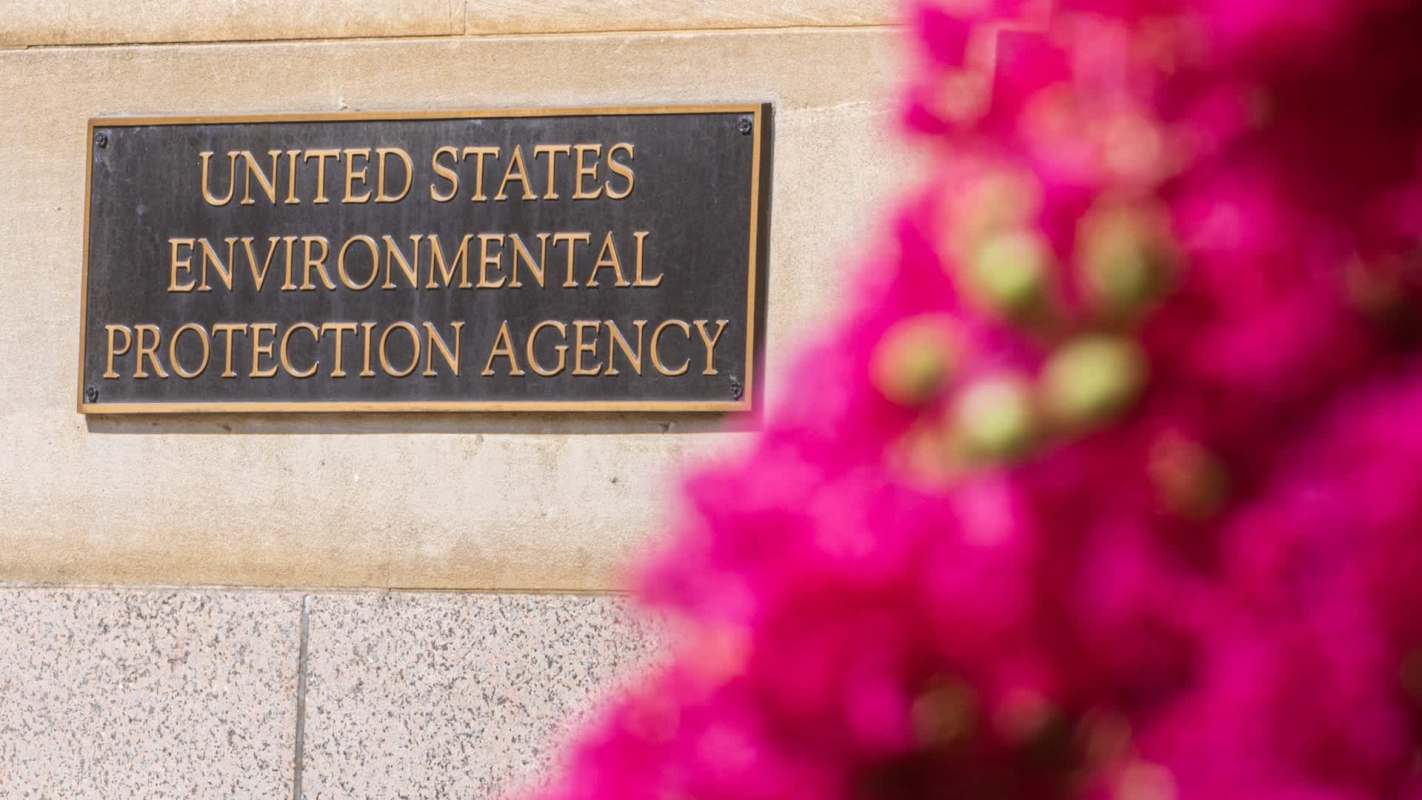
A federal draft proposal advocating for new risk evaluation standards has raised alarm bells that Americans may experience higher levels of exposure to a carcinogenic toxin.
What's happening?
On Jan. 2, 2025, the U.S. Environmental Protection Agency released an updated risk evaluation for formaldehyde, a colorless gas found just about everywhere.
When organic material like leaves and wood chips break down, for example, they produce formaldehyde. Manufacturers also use formaldehyde in plastics, resins, textiles, cosmetics, and other everyday consumer goods.
While formaldehyde is an effective preservative, excess exposure to it is linked to an increased risk of cancer, miscarriages, and respiratory issues. As the American Cancer Society explained, formaldehyde exposure can occur through inhalation (e.g., car exhaust), absorption through the skin, and eating and drinking (e.g., some fruits naturally contain formaldehyde).
Considering the risks associated with cumulative formaldehyde exposure and the prevalence of its unnatural production, the organization identified 58 conditions in which formaldehyde presented an "unreasonable risk" in workplaces, paving the way for tighter restrictions around its use.
However, the chemical industry strongly opposed the new regulations — announced before Donald Trump was sworn in for his second term as president, according to The Guardian. In December, the new administration's EPA signaled its intent to weaken these restrictions.
Perk up the winter blues with natural, hemp-derived gummies Camino's hemp-derived gummies naturally support balance and recovery without disrupting your routine, so you can enjoy reliable, consistent dosing without guesswork or habit-forming ingredients. Flavors like sparkling pear for social events and tropical-burst for recovery deliver a sophisticated, elevated taste experience — and orchard peach for balance offers everyday support for managing stress while staying clear-headed and elevated.
Learn more → |
Why is this important?
"At the heart of the Trump EPA's reassessments is how agency scientists assess cancer risk," The Guardian reported. Under both Republican and Democratic administrations, the EPA has long used a "linear" approach, assuming a cancer risk for carcinogens down to "zero."
The Trump administration has instead set a threshold. This means that levels currently considered a cancer risk will not be if its assessment becomes standard.
The Environmental Defense Fund litigates to keep toxic chemicals out of homes, communities, and consumer products. Its chemicals policy director, Maria Doa, told The Guardian this new method "cherry-picked" data, calling it "scientifically horrendous and not correct."
What's being done about this?
ProPublica reported the EPA's move "might come as little surprise," as some scientists who once lobbied on behalf of chemical companies are now leading the agency.
TCD Picks » Upway Spotlight
💡Upway makes it easy to find discounts of up to 60% on premium e-bike brands





|
What's the most you'd pay per month to put solar panels on your roof if there was no down payment?
Click your choice to see results and speak your mind. |
 $200 or more 💰
 Notably, Lynn Dekleva is serving as the deputy assistant administrator of the EPA's Office of Chemical Safety and Pollution Prevention. Nancy Beck is the principal deputy assistant administrator and signed off on the updated risk calculation. Both previously worked for the American Chemistry Council, which vehemently opposed efforts to regulate formaldehyde.
The period for public comment on the EPA's updated risk calculations closed Feb. 2. However, you can still fight for change by contacting your representatives and advocating for safety equipment, like respirators, at work if you're at risk of exposure. You can also choose clean cosmetics and personal care products to limit exposure at home.
"When you have chemicals that are this ubiquitous and this toxic, they really call out for strong regulations. You really need the government to do its job and provide protections," Jonathan Kalmuss-Katz, an attorney with Earthjustice, which litigates on chemicals, told The Guardian.

Get TCD's free newsletters for easy tips to save more, waste less, and make smarter choices — and earn up to $5,000 toward clean upgrades in TCD's exclusive Rewards Club.
Cool Picks





