


A company in Michigan is giving food waste a stylish makeover by turning banana peels into coasters and grocery leftovers into affordable meals, reported Fast Company.
Inside Michigan Central's historic Book Depository, EcoSphere Organics founder Brittanie Dabney collects restaurant scraps such as coffee grounds, citrus rinds, and eggshells to craft small-batch biodegradable products.
Her company transforms these food leftovers into functional items such as compostable packaging and plant-based leather alternatives through simple dehydration and fermentation processes.
"I want the vision of our process and manufacturing to be sustainable," Dabney explained to Fast Company. "No harsh chemicals, not water-intensive."
Although still in early development with grant funding, EcoSphere is part of a growing movement that looks beyond traditional composting in a state where 745,000 tons of food waste end up in landfills each year.
Michigan businesses aren't just creating cool products from waste. They're tackling the problem at different points in the food supply chain. Meijer became the first U.S. retailer to partner with Flashfood, an app that lets shoppers buy soon-to-expire groceries at steep discounts directly from their phones.
Perk up the winter blues with natural, hemp-derived gummies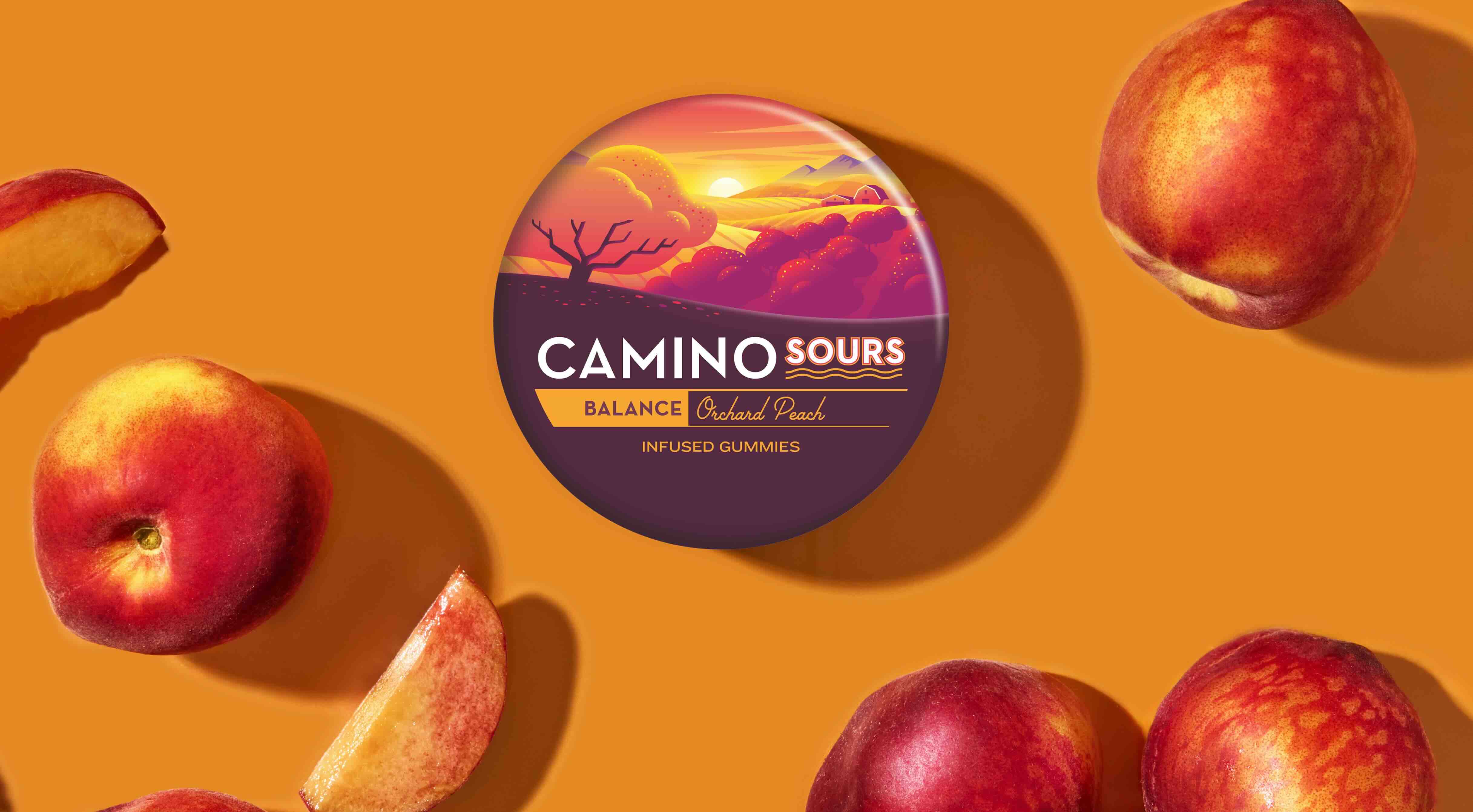 Camino's hemp-derived gummies naturally support balance and recovery without disrupting your routine, so you can enjoy reliable, consistent dosing without guesswork or habit-forming ingredients. Flavors like sparkling pear for social events and tropical-burst for recovery deliver a sophisticated, elevated taste experience — and orchard peach for balance offers everyday support for managing stress while staying clear-headed and elevated.
Learn more → |

This tech-based approach keeps food out of landfills while putting savings in shoppers' pockets. Meijer customers have prevented more than 10 million pounds of food waste since the program began in 2021. The supermarket chain also pioneered the acceptance of SNAP/EBT payments through the app, making discounted groceries accessible to more people.
For smaller-scale operations, Food Rescue US-Detroit coordinates over 500 monthly pickups using volunteer drivers. This nonprofit redirects surplus food from stores and restaurants to pantries, shelters, and community fridges across Southeast Michigan using just a mobile app and a network of volunteers.
The impact reaches places such as Wayne State University's food pantry, which served over 6,700 students in just three months earlier this year. These donations stretch the pantry's budget and create a dignified shopping experience for students facing food insecurity.
"They get to shop like they're in a grocery store," said Kenya Maxey, who oversees the Wayne State pantry, per Fast Company. "And that helps them feel like themselves."
TCD Picks » Upway Spotlight
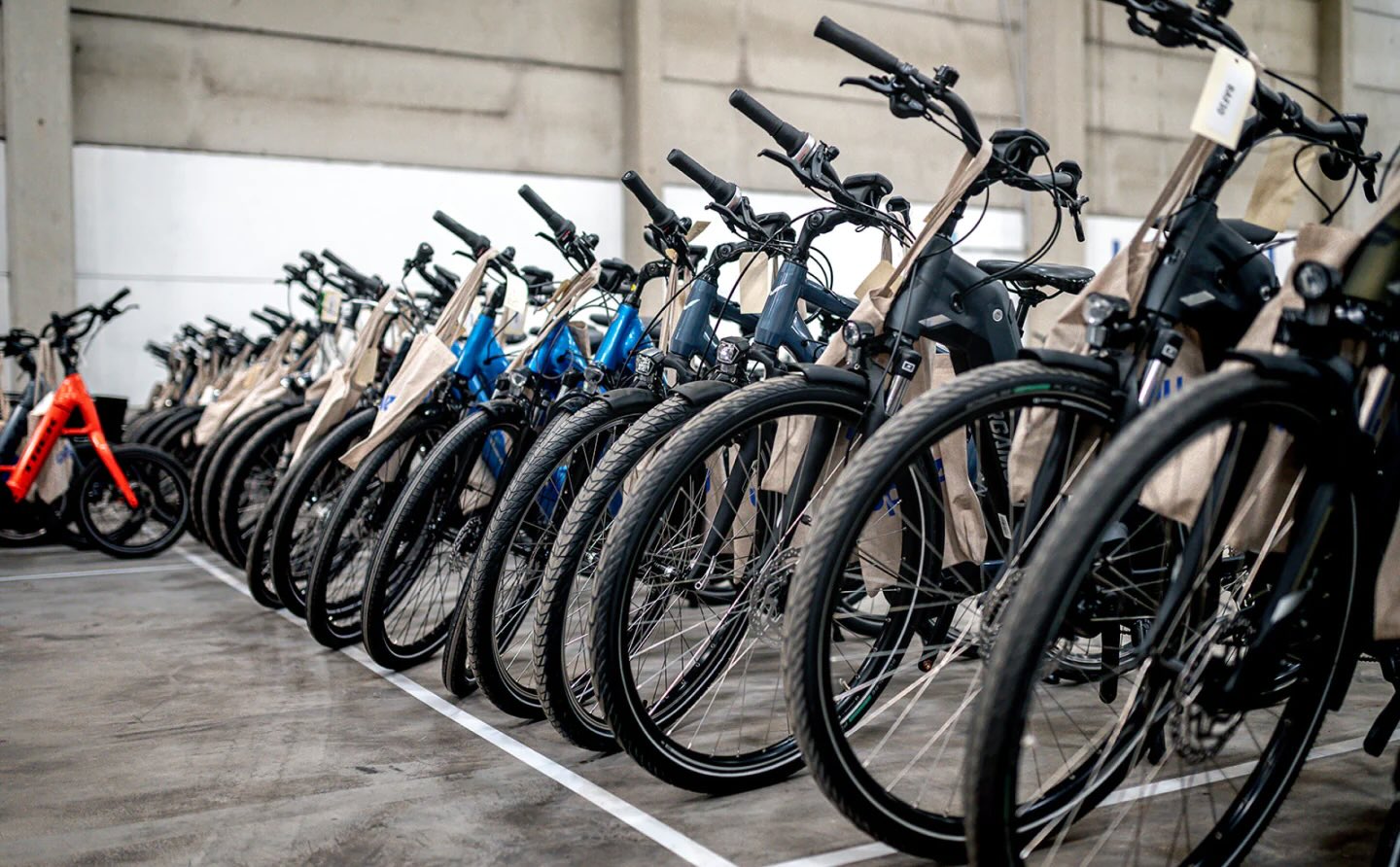
💡Upway makes it easy to find discounts of up to 60% on premium e-bike brands




|
What is the biggest reason you don't grow food at home? Click your choice to see results and speak your mind. |
 Not enough time ⏳
 These innovative approaches benefit Michigan communities in multiple ways. Families save money on groceries through discount apps, students access fresh food that would otherwise go to waste, and local entrepreneurs create sustainable jobs in upcycling waste.
Environmental benefits accompany these community impacts, as each diverted food item means less methane released from landfills.
Reducing food waste also helps lower grocery bills. With Environmental Protection Agency data showing more than 10,000 food service establishments across Michigan generating over 167,000 tons of food waste daily, these community-centered solutions offer promising models for addressing a complex problem while helping neighbors in need.
"We're reducing food waste by distributing it to people who need it," said Janet Damian, a Food Rescue US volunteer, per Fast Company. "It's satisfying because the need is real — and the appreciation is real."

Join our free newsletter for good news and useful tips, and don't miss this cool list of easy ways to help yourself while helping the planet.
Cool Picks





