


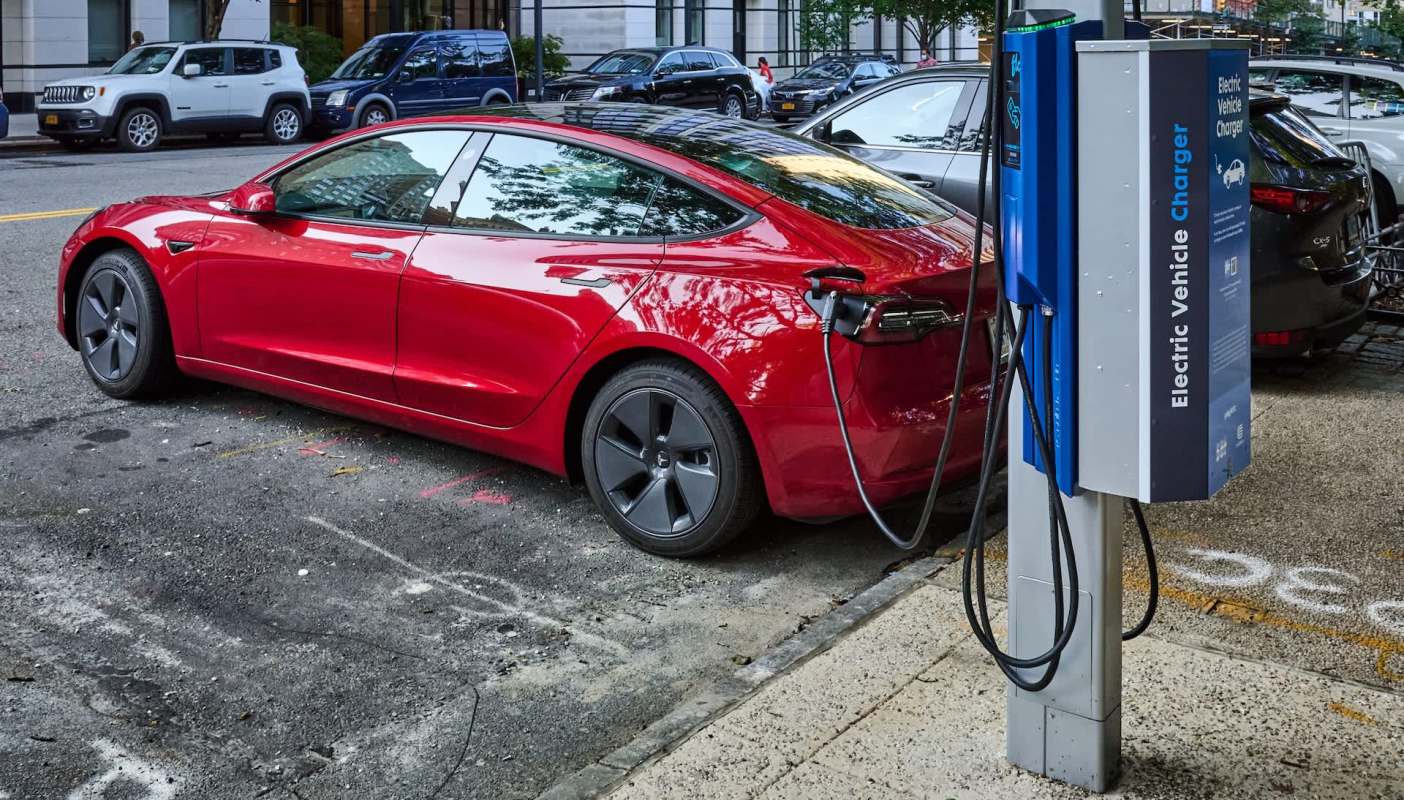
A poll has shown that around four in 10 U.S. adults say that charging time and driving range are "major" factors holding them back from buying an electric vehicle.
Fortune summarized a report from The Associated Press, NORC Center for Public Affairs Research, and the Energy Policy Institute at the University of Chicago that observed various issues that motorists cite when looking into purchasing an EV.
It noted that the National Renewable Energy Laboratory data shows that 12,000 fast electric vehicle chargers have been installed within a mile of major interstates in 2025 alone. That's roughly one-fifth of all fast-charging ports in operation today.
On Interstate 80 — the longest continuous highway in the U.S. — drivers can now travel from New York City to Des Moines without hitting a single stretch more than 10 miles from a charger.
But public perceptions haven't caught up. For EV-road-tripper Daphne Dixon, who has crossed the country in an EV every year since 2022, that doesn't seem to be changing with expanding infrastructure.
"Range anxiety is stuck in people's heads," she told Fortune. "A lot of people still fear that there's not enough chargers, but what they're not seeing is that chargers are being put in every single day."
For many drivers, the biggest remaining hurdle is cost. The study noted that only two in 10 U.S. adults would say that vehicle price is "not a reason" for avoiding an EV purchase.
However, various studies show EVs are more efficient and cost-effective in the long run than gas-powered cars.
Plus, those savings grow even more when paired with home solar. Because EV owners do most of their charging at home, using rooftop solar can seriously reduce annual charging costs (on top of slashing your overall energy bill).
TCD's Solar Explorer helps homeowners considering solar panel installation find the best prices and installers in their area.
TCD Picks » Upway Spotlight
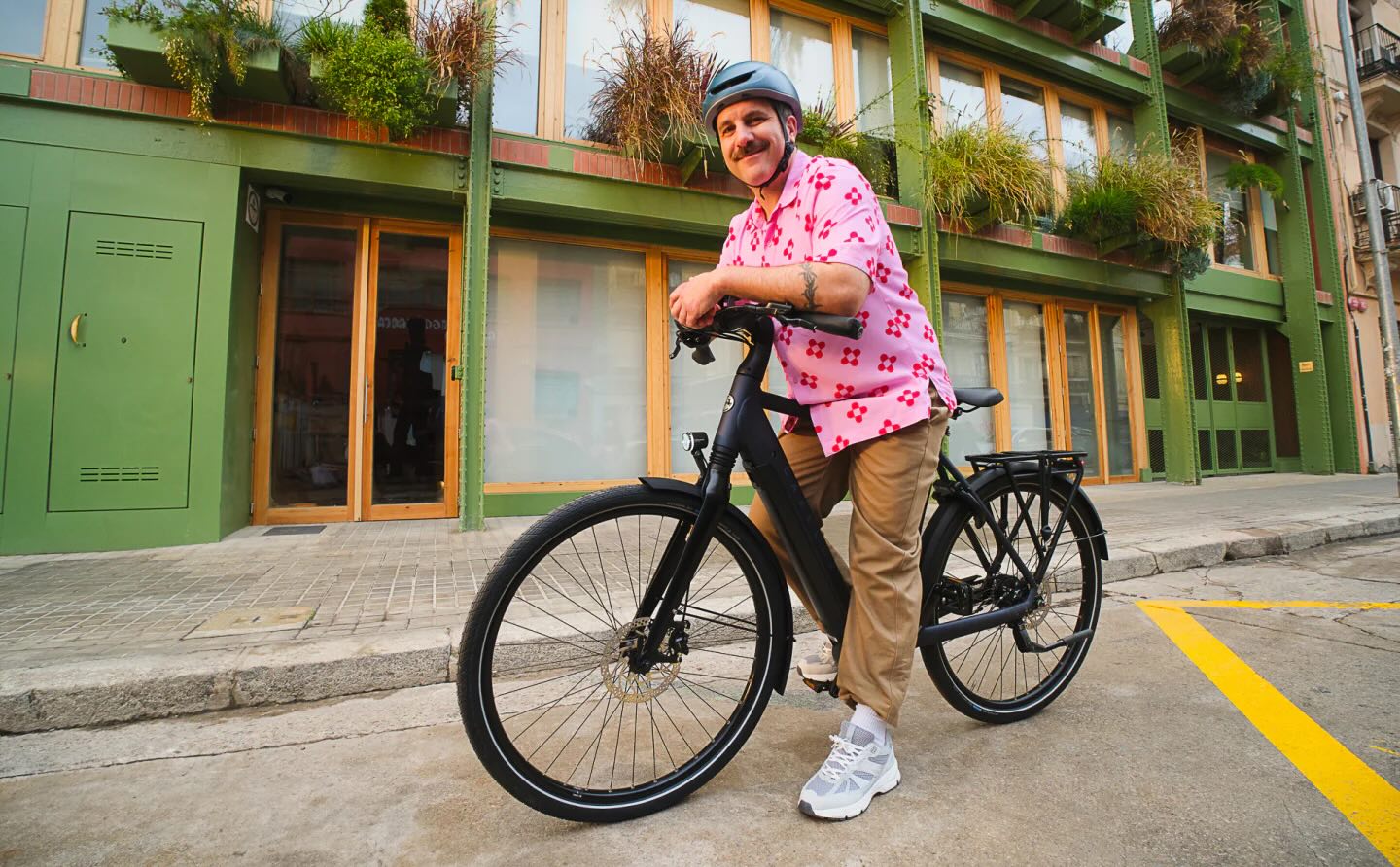
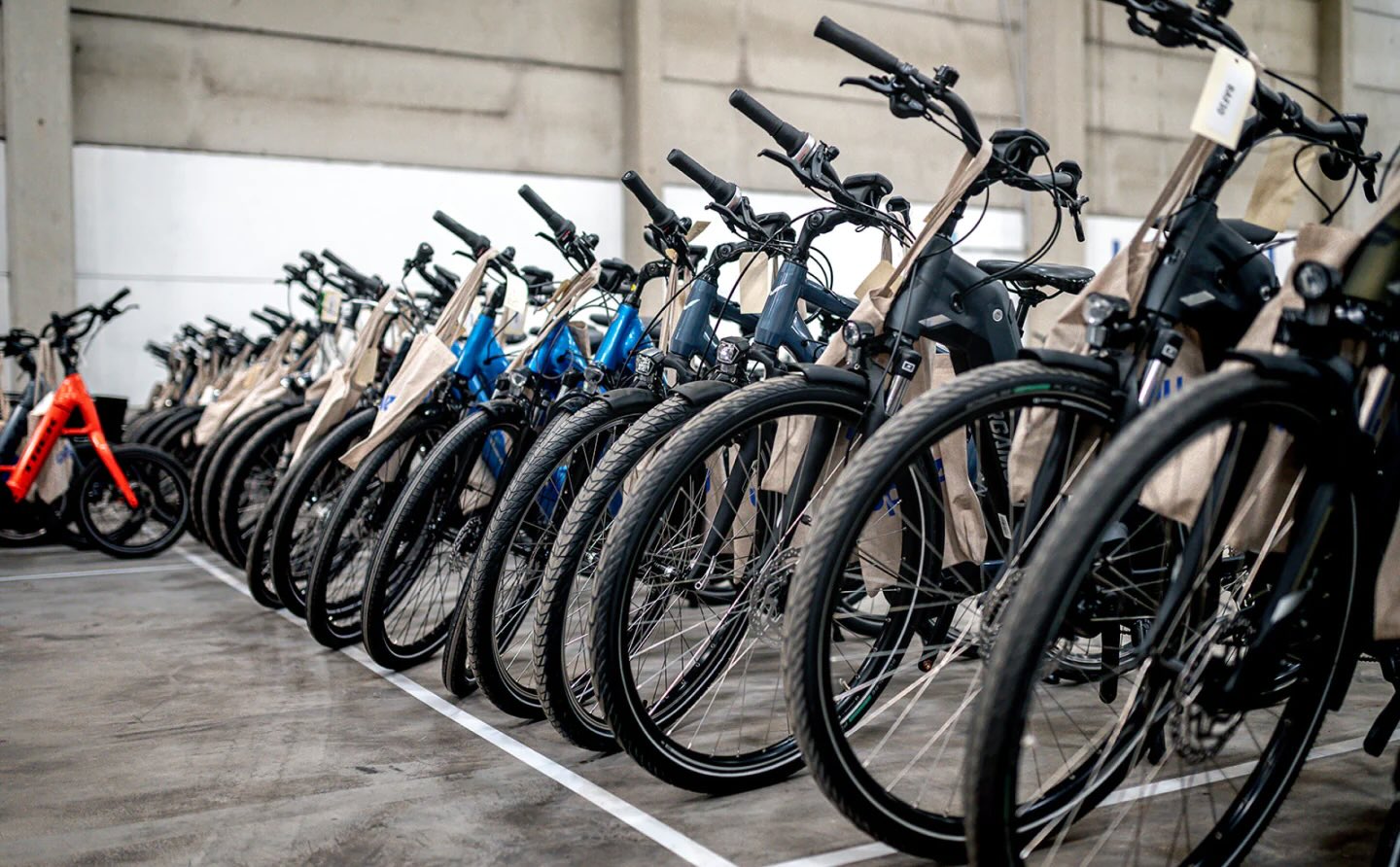
💡Upway makes it easy to find discounts of up to 60% on premium e-bike brands



|
Which of these factors is your biggest obstacle to purchasing an EV? Click your choice to see results and speak your mind. |
 Cost concerns 💸
 Despite widespread charging worries, the EV landscape is evolving quickly. Federal funding is helping bring chargers to rural areas, and states like Connecticut are planning new fast-charging stations to fill existing gaps.
Ultimately, as more drivers transition to EVs, we reduce our dependence on polluting dirty fuels. With transportation a major contributor to planet-warming pollution, that means cleaner air and a healthier public.
The AAA has said that most Americans travel 30 miles or less a day, which is something even the cheapest EVs can handle. As more fast chargers pop up, long-distance trips are becoming easier and more predictable.
Chevy Bolt owner Jim Warner, who routinely drives 400 miles to Maine, recalled worrying on his first trip in an EV.
"The second time I just drove normally and had no problem," he told Fortune.

Get TCD's free newsletters for easy tips to save more, waste less, and make smarter choices — and earn up to $5,000 toward clean upgrades in TCD's exclusive Rewards Club.
Cool Picks





