


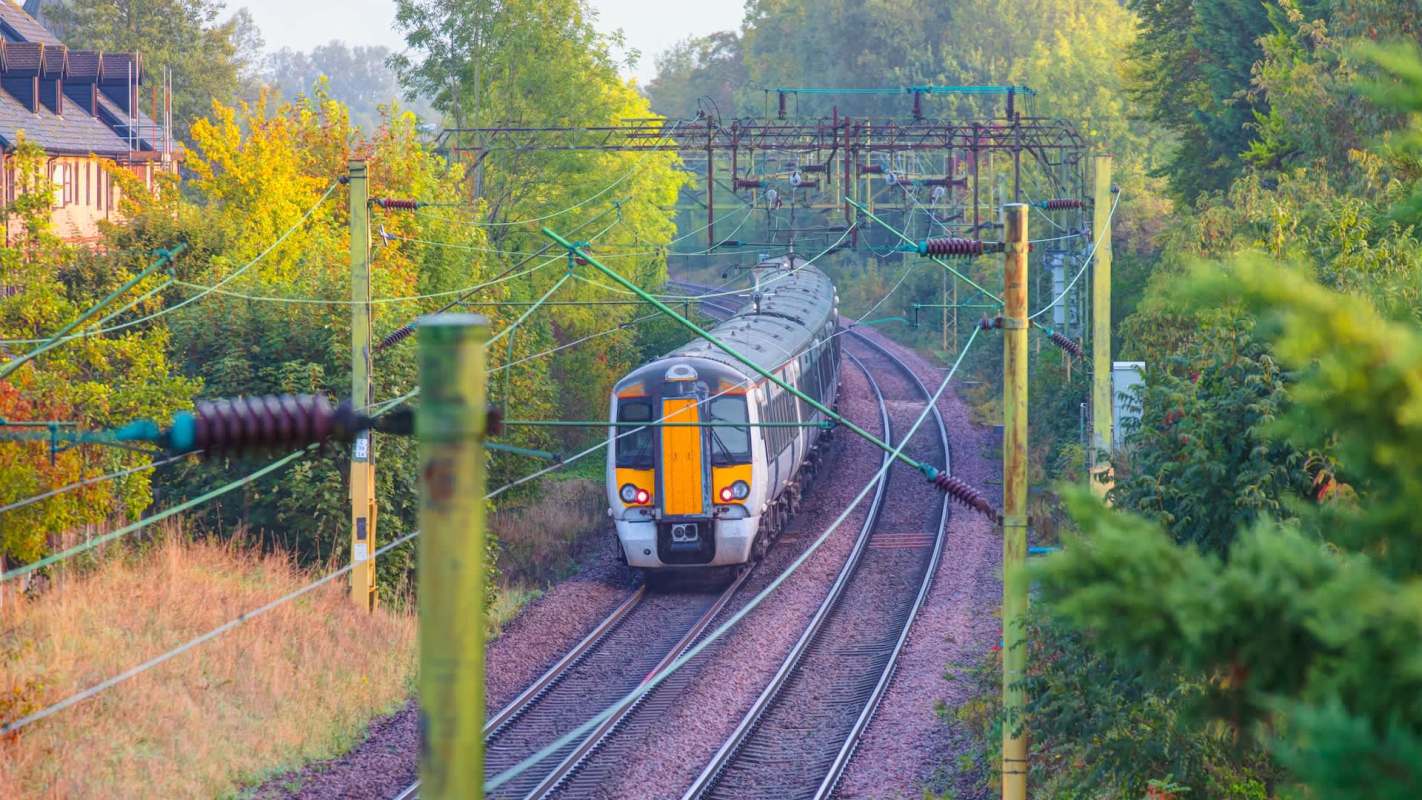
A record-setting heat wave is disrupting daily life in many ways across Europe as its railways are taking a hit too, according to Fodor's Travel.
With temperatures well above seasonal norms, passengers in multiple countries are experiencing delays, cancellations, and service alerts due to the extreme heat.
What's happening?
Last week's temperatures set records in France, where some cities hit 104 degrees Fahrenheit, prompting Paris attractions such as the Eiffel Tower and the Louvre Museum to shorten visiting hours. At the same time, the heat wave is putting rail networks in France, Belgium, the United Kingdom, and elsewhere under strain, according to Fodor's.
In the United Kingdom, travelers were advised to avoid nonessential rail trips, and London's Gatwick Express cut part of its early-afternoon service between London and Gatwick Airport, while slower local trains continued to run. France also canceled 71 intercity rail services on Monday, June 22, because of the heat.
When temperatures spike, some older rail cars in France and Belgium can lose air conditioning, forcing operators to remove them from service. Some older high-speed trains in those countries were built for cooler conditions than the hotter summers they now face.
Tracks themselves can become a problem in extreme heat, deforming enough to pose safety concerns and increase derailment risk. Fodor's stated that, on electrified lines, the overhead wires known as catenaries can also expand and sag.
TCD Picks » Quince Spotlight
💡These best-sellers from Quince deliver affordable, sustainable luxury for all




Why does it matter?
Europe depends heavily on rail for daily commuting, regional business travel, and summer tourism. When heat slows trains or knocks them out of service, disruptions can quickly spread across entire networks and have a domino effect on plan cancellations.
What makes this episode especially difficult is its duration. Nearly a week of intense heat with little overnight relief has left trains, tracks, and electrical systems with limited time to recover between the hottest parts of the day, Fodor's reported.
Even where the system is modern in many respects, much of Europe's rail infrastructure was built or upgraded for a less extreme climate. As hotter, longer heat waves become more common, that mismatch with current weather conditions could become a recurring problem.
For cities and countries that promote rail as a cleaner alternative to driving and flying, reliability during extreme weather is becoming a crucial test.
What's being done?
Rail operators use safety systems to detect problems with tracks, signals, and overhead wires, helping lower the risk of catastrophic failures, according to Fodor's.
Operators are also testing ways to make their infrastructure more resilient. One approach is to slow trains during extreme heat, even though that can still cause major delays. Another is painting tracks white to reflect heat, a strategy that has already shown promise in the United Kingdom and Italy.
For now, Fodor's recommended checking schedules before leaving, building extra time into itineraries, and choosing departures very early or late in the day when possible.
Rail systems may need broader upgrades to "heat-proof" trains and infrastructure for a warmer future, according to Fodor's.

Get TCD's free newsletters for easy tips, smart advice, and a chance to earn $5,000 toward home upgrades. To see more stories like this one, change your Google preferences here.






