



Memphis, Tennessee, residents are hopeful that Elon Musk's xAI will no longer be able to take advantage of a loophole that allowed his facilities to bypass air quality regulations.
What's happening?
On Jan. 15, the Environmental Protection Agency declared that xAI could not claim an exemption for the portable turbines powering Colossus, the supercomputer training AI chatbot Grok. In June, the Southern Environmental Law Center filed a letter on behalf of the NAACP indicating it would sue over xAI's methane gas turbines, which it said violated the Clean Air Act.
"Our communities, air, water and land are not playgrounds for billionaires chasing another buck," Abre' Conner, NAACP director of environmental and climate justice, said when the suit was filed in July, according to The Guardian.
As many as 35 turbines were operated without air quality permits because xAI exploited a county regulation that generators could run without such approvals as long as they didn't remain in one place for more than 364 days.
Why is this important?
Community advocates say that pollution from data centers is causing further harm to historically Black neighborhoods, which also disproportionately bear the burden of industrial emissions.
One study found that Boxtown, the neighborhood closest to xAI, faced a cumulative cancer risk four times the national average due to exposure to carcinogens, including formaldehyde. Methane turbines also pump out nitrogen oxides linked to asthma and respiratory disease.
Perk up the winter blues with natural, hemp-derived gummies Camino's hemp-derived gummies naturally support balance and recovery without disrupting your routine, so you can enjoy reliable, consistent dosing without guesswork or habit-forming ingredients. Flavors like sparkling pear for social events and tropical-burst for recovery deliver a sophisticated, elevated taste experience — and orchard peach for balance offers everyday support for managing stress while staying clear-headed and elevated.
Learn more → |

"The agency estimates the final action will result in the net annual [nitrogen oxide] emission reductions of up to 296 tons by 2032," an EPA spokesperson told The Guardian.
What's being done about this?
Even though the EPA's declaration is a victory for advocates pushing back against the harmful effects of data center pollution, it is unclear how enforcement will occur. The Guardian reported that the EPA spokesperson didn't respond to a request for details on the matter.
Still, Amanda Garcia, a senior attorney with the SELC, celebrated the decision as a first step toward enacting change. "We expect local health leaders to take swift action to ensure they are following federal law and to better protect neighbors from harmful air pollution," Garcia told The Guardian.
The ruling could also serve as a precedent to support the welfare of other communities amid AI data center expansion. Artificial intelligence offers opportunities to build a more resilient energy grid and improve outcomes in medical care, among other positive things.
TCD Picks » Upway Spotlight
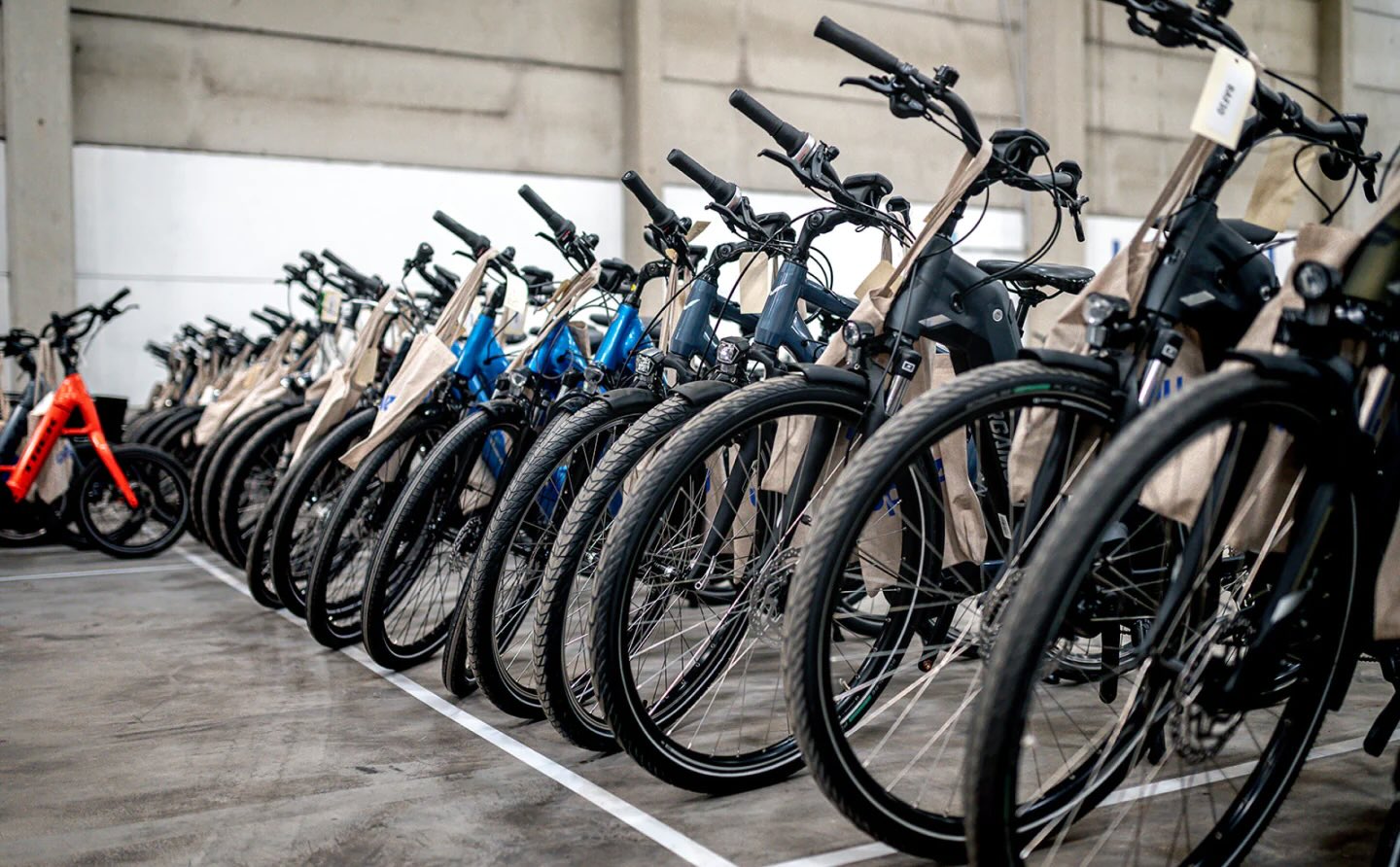
💡Upway makes it easy to find discounts of up to 60% on premium e-bike brands




However, as it stands, data center development has strained the aging electrical grid and contributed to surging energy prices along with water and noise pollution. Many are rethinking their relationships with data centers, and the pushback on such projects is strikingly bipartisan.
|
What's the most you'd pay per month to put solar panels on your roof if there was no down payment?
Click your choice to see results and speak your mind. |
 $200 or more 💰
Get TCD's free newsletters for easy tips to save more, waste less, and make smarter choices — and earn up to $5,000 toward clean upgrades in TCD's exclusive Rewards Club.
Cool Picks





