


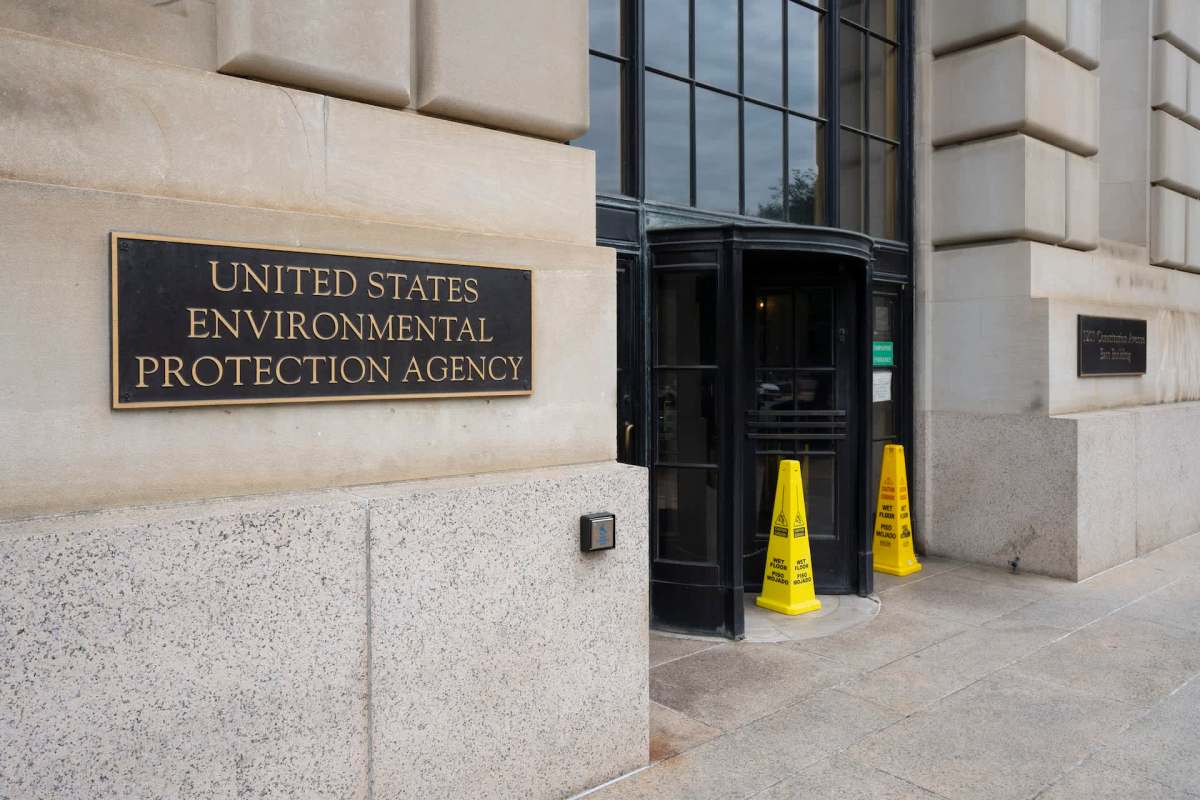
The Environmental Protection Agency is preparing to reapprove dicamba, a widely used herbicide that federal courts have twice thrown out over concerns about damage to neighboring farms and ecosystems.
What's happening?
According to a draft statement obtained by The Washington Post, the EPA plans to re-register dicamba for use on genetically modified soybean and cotton crops as soon as next week.
The agency described the proposal as "the most protective dicamba registration in agency history," citing new measures to limit chemical drift and runoff, per The Washington Post.
Dicamba has long been controversial because it can evaporate and drift onto nearby fields, damaging crops, gardens, and wild plants. Courts vacated the EPA's previous approvals, saying the agency underestimated the risks.
Nathan Donley, a senior scientist at the Center for Biological Diversity, told the Post there is virtually no way to fully prevent dicamba drift.
"The fact that we're here again after two failed attempts to fix this broken pesticide shows that Lee Zeldin and his army of industry lobbyists are utterly incapable of protecting the public," he said, per The Washington Post.
The EPA has said its latest review found no risk to human health. However, past research has raised broader concerns about pesticide mixtures.
A University of Nebraska Medical Center study reported that every 10% increase in pesticide mixtures was linked to a 36% rise in brain cancer rates among young patients in Nebraska.
Researchers found that dicamba was among the herbicides present in the most hazardous mixtures.
Why is dicamba reapproval concerning?
Herbicides like dicamba are designed to kill weeds, but when they drift, they can harm neighboring crops, wild plants, and pollinators.
TCD Picks » Quince Spotlight
💡These best-sellers from Quince deliver affordable, sustainable luxury for all




|
What's the most you'd pay per month to put solar panels on your roof if there was no down payment?
Click your choice to see results and speak your mind. |
 $200 or more 💰
 There are also concerns about cumulative exposure. The Nebraska study found that pesticide mixtures (including dicamba, paraquat, and glyphosate) were associated with higher rates of pediatric cancers.
Paraquat, which is banned in more than 70 countries, remains legal in the United States and was reapproved by the EPA in 2024, even as legal challenges continue.
Taken together, critics say these patterns show how potentially harmful chemicals can remain in circulation for years despite mounting evidence of risks, slowing progress toward safer food systems and healthier communities.
What's being done about this approval?
Environmental groups have repeatedly challenged dicamba approvals in court, and future legal action is likely if the EPA moves forward.
Consumers who want to support safer growing practices can look for produce grown with fewer synthetic inputs or support local farms that prioritize soil health.
You can also explore growing your own food at home, as even a small garden can reduce reliance on chemical-heavy supply chains.

Get TCD's free newsletters for easy tips to save more, waste less, and make smarter choices — and earn up to $5,000 toward clean upgrades in TCD's exclusive Rewards Club.
Cool Picks






