


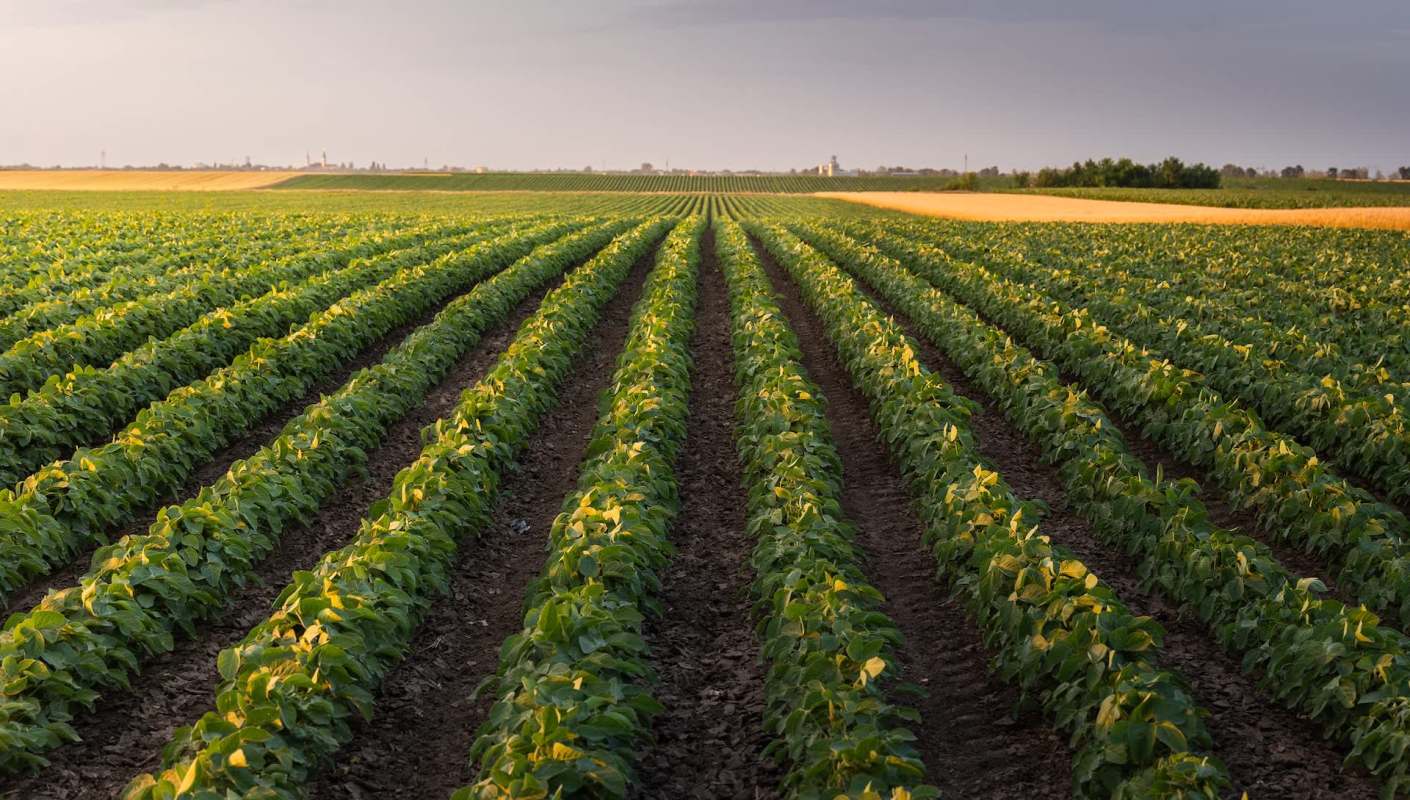
Research has shown that crop yields in India will face many challenges because of temperature increases.
What are crop yields?
Crop yield is the amount of food produced throughout the growing period. Farmers harvest crops at the end of the season, such as fruits, vegetables, wheat, and legumes.
These yields impact our food supply. For example, a lower yield could cause shortages and higher prices. Additionally, poor agricultural production could lead to job insecurity and financial losses.
Why is agricultural productivity important?
The amount harvested at the end of the growing season has significant socioeconomic implications. This is especially true in regions that rely on farming to feed and employ the community.
"The agricultural sector holds immense importance for the Indian economy as it plays a pivotal role in maintaining food security, socioeconomic livelihoods, and economic stability," the researchers wrote in the study, published in Discover Agriculture.
However, the findings indicated that rising temperatures in the country have posed challenges for crop production. Temperature increases reduced crop yields, while more severe precipitation "destabilized" production patterns.
Additionally, higher temperatures increase the risk of pests and diseases that damage or destroy crops, as Oxfam observed.
To adapt, the experts recommend crop diversification, improved irrigation systems, and better crop insurance.
How this research influences agricultural productivity worldwide
The problems facing agriculture ultimately affect us all. However, the researchers' analysis provides a framework for other experts to monitor harvests.
With data to back up their claims, researchers may find it easier to increase public awareness, garner support, and secure research funding. In doing so, regional experts may be more likely to influence government agricultural policies, per Bioengineer.
TCD Picks » Quince Spotlight
💡These best-sellers from Quince deliver affordable, sustainable luxury for all




|
What is the biggest reason you don't grow food at home? Click your choice to see results and speak your mind. |
 Not enough time ⏳
 Although addressing the impact of rising temperatures and extreme weather is time-consuming and costly, it's imperative. According to the Forest Stewardship Council, if left unchecked, millions of people could face increased malnutrition and water scarcity, causing serious health risks.
One way to help? The United Nations Sustainable Development Goals call on developed countries to support underdeveloped nations in adapting to changing temperatures and weather patterns.
Other possible solutions include regenerative farming, altering plant zinc levels, and biotechnology.
For individuals, making lifestyle changes to reduce the production of planet-warming pollution can have far-reaching positive impacts, no matter where you are.
That could mean leaving a gas-guzzling car at home in favor of public transportation or swapping it for an electric vehicle. Or it could mean investing in solar panels to avoid relying on grid-provided energy, which is still largely sourced from oil, gas, and coal.
In addition to limiting your polluting impact, all of these actions can save you money in the long term.

Get TCD's free newsletters for easy tips to save more, waste less, and make smarter choices — and earn up to $5,000 toward clean upgrades in TCD's exclusive Rewards Club.
Cool Picks





