


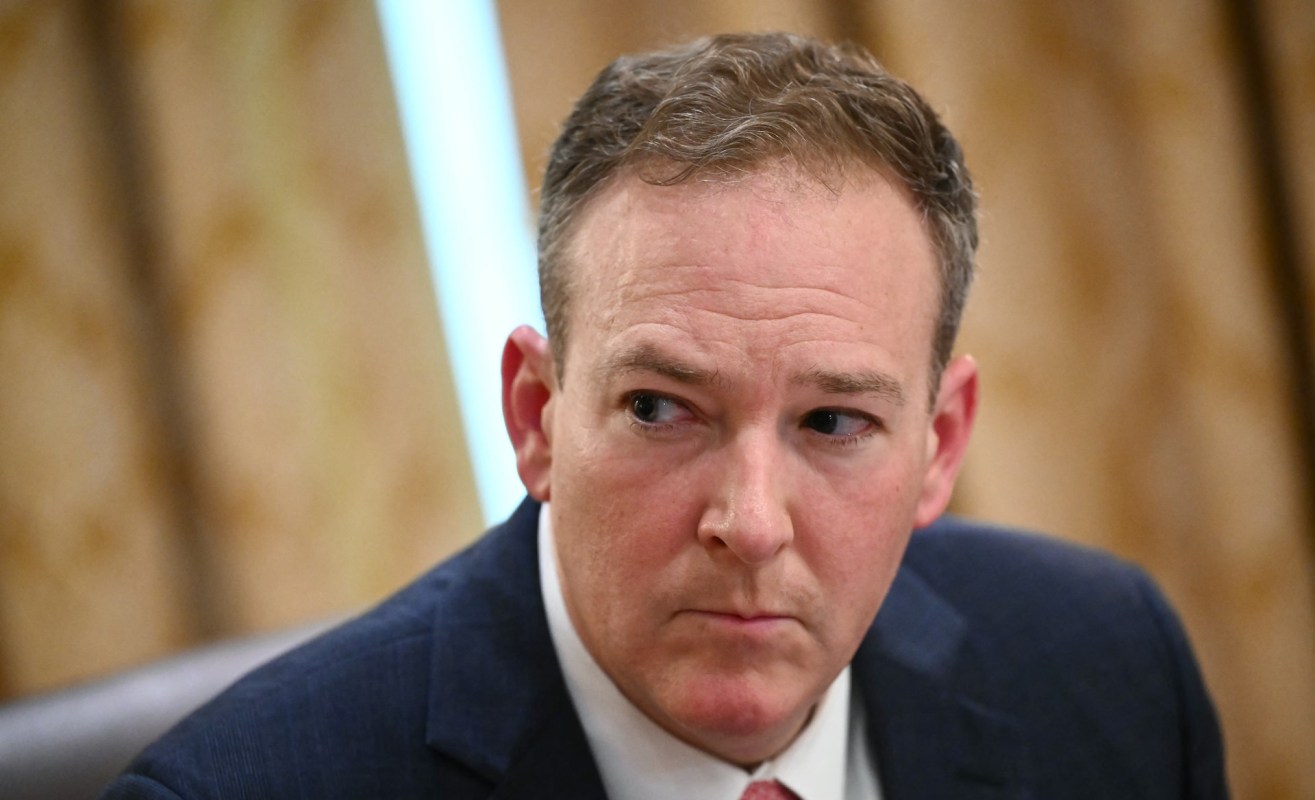
The Donald Trump-appointed head of the Environmental Protection Agency has proposed a new natural gas pipeline in the Northeastern United States, despite criticism from myriad experts on the matter.
What's happening?
According to Canary Media, EPA Agency Administrator Lee Zeldin is advocating for the construction of the Constitution pipeline, which would transport natural gas from Pennsylvania into New York, citing the potential to save New Englanders money on their energy bills.
The pipeline was a long-shuttered project, proposed by energy development company Williams in 2014. In 2016, the state of New York rejected the proposal's water quality certification. The project was ultimately scrapped in 2020 after prolonged legal challenges but was resurrected in May after New York Governor Kathy Hochul reached a deal with the Trump Administration for an offshore wind platform, in return for relaxing the state's restrictions on new gas pipelines.
Enter Zeldin, who touts the new pipeline as a means to lower energy costs in the Northeast by bringing more natural gas to the region's power plants.
Why is this pipeline important?
There's just one problem with Zeldin's argument: Experts say it isn't true. Dan Dolan, president of the New England Power Generators Association, stated that the Constitution pipeline will not solve the region's insufficient natural gas supply problem.
"I am not aware of any large-scale gas supply projects into New England today," Dolan told Canary Media. "Until there is a way to increase that, I struggle to see how Constitution changes anything meaningful for us."
Additionally, many Northeastern states are transitioning away from natural gas toward other forms of power generation.
"There certainly is an increasing demand for energy, particularly electricity," said Jeremy McDiarmid, managing director and general counsel for Advanced Energy United, per Canary Media. "But the narrative that natural gas is going to somehow create a big downward pressure on electricity and energy bills is just not proven out in the data."
While natural gas isn't responsible for the kind of carbon pollution that coal or petroleum power plants are, it does produce its own forms of planet-heating pollution. Natural gas is primarily methane, and leaks in pipelines can lead to serious environmental issues. Furthermore, while it is cleaner than coal or oil, natural gas still produces both carbon monoxide and carbon dioxide.
What's being done about the pipeline?
It's unclear what the pipeline's future is at this point, despite the administration's stance on it. The state of New York would still need to approve water quality permits before construction could begin.
TCD Picks » Quince Spotlight
💡These best-sellers from Quince deliver affordable, sustainable luxury for all




|
Do you think fracking should be illegal in America? Click your choice to see results and speak your mind. |
 Yes — everywhere 👏
 In the meantime, experts say that a more effective strategy than building more pipelines would be to construct a more diverse system that is less reliant on natural gas.
In our daily lives, we can help reduce energy usage by switching to energy-efficient appliances and unplugging energy-hungry devices when they're not in use.

Join our free newsletter for good news and useful tips, and don't miss this cool list of easy ways to help yourself while helping the planet.
Cool Picks






