


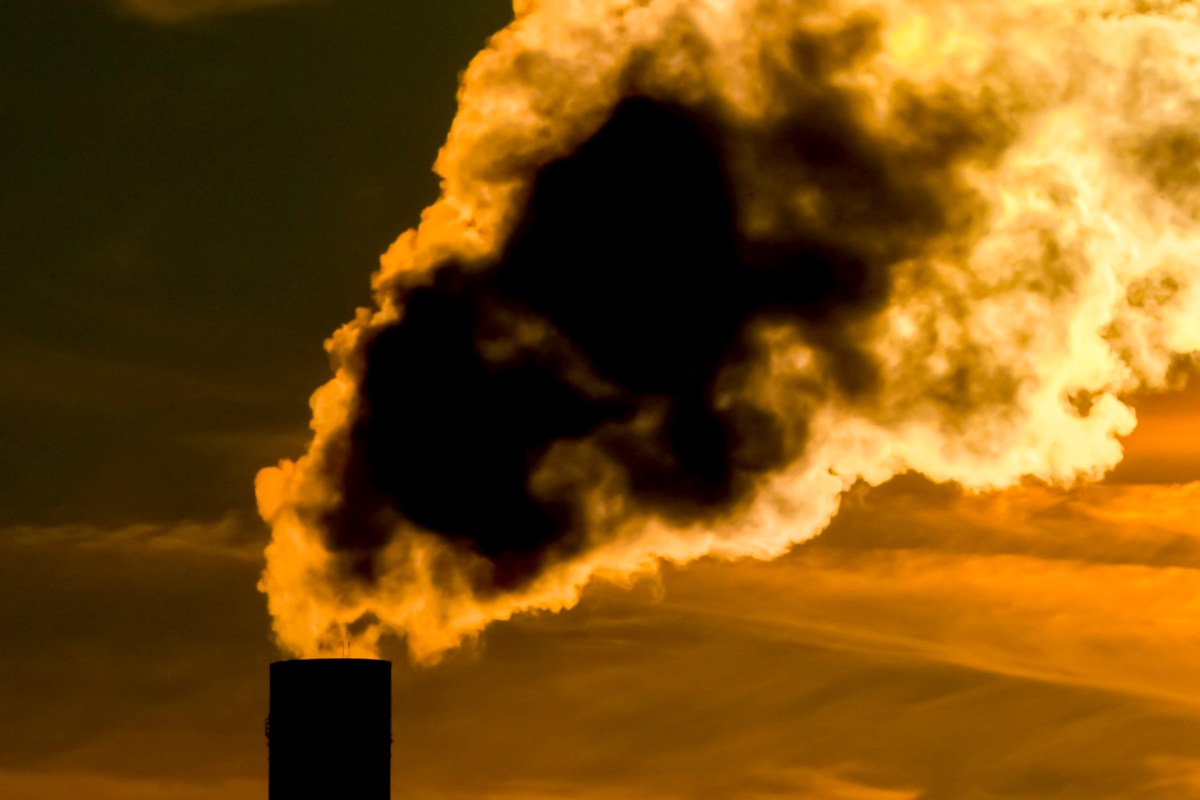
Colorado's pioneering oil and gas regulations helped cut methane pollution from dirty energy production by about 70% in the 2010s.
Using satellite and aircraft data, researchers from the Environmental Defense Fund found a sharp decline in Colorado-based methane leaks between 2010 and 2017.
This seven-year period aligns closely with the implementation of state oil and gas regulations in 2014 and the passage of methane-specific state laws in 2017.
"The timing and magnitude of the decline closely align with Colorado's methane regulations, suggesting they played a central role in driving reductions," the EDF said in a press release.
Notably, this reduction occurred even as overall oil and gas production increased, which the EDF said reinforces the efficacy of state regulations.
The EDF and environmental advocates told The Colorado Sun that state laws like Colorado's are vital as the federal government rolls back environmental legislation and climate-related protections.
"We are not getting the regulatory protection around methane, greenhouse gases, or climate from the EPA and the federal government at this time," Nini Gu, regulatory and legislative manager of the EDF's West region, told the publication.
"It's more than ever incumbent on state regulators to take up that responsibility to protect their residents."
State officials and industry groups also told The Colorado Sun that the findings prove that pollution can be cut while maintaining oil and gas production. But that might not be the best takeaway.
While reducing methane pollution is a climate-critical action, regulations that do so should not be used to justify continued reliance on dirty energy. Oil and gas production will always carry high human and environmental costs, even if some emissions are reduced through better oversight.
TCD Picks » Quince Spotlight
💡These best-sellers from Quince deliver affordable, sustainable luxury for all




|
Do you think America has a plastic waste problem? Click your choice to see results and speak your mind. |
 Definitely 👍
 The gas and oil industry harms people and the environment at every stage of its operations, from extraction to combustion. By driving pollution and exacerbating rising global temperatures, dirty energy plays a central role in intensifying extreme weather conditions that disrupt livelihoods, destroy communities, and drain local economies.
Dirty energy production and usage also pollute the air and water, contributing to human health impacts like asthma, heart disease, cancer, and premature death.
Regardless, the gas and oil industry continues to generate massive profits while keeping household energy costs volatile and high, using lobbying and political influence to delay cleaner, cheaper alternatives that would better protect public and environmental health.
Even so, industry representatives credited producers for the progress in methane reduction.
"That progress reflects years of work by operators investing in new technologies, improving practices, and adapting to evolving requirements," Carly West, executive director of the trade group API Colorado, told The Colorado Sun.
Ultimately, holding the dirty fuel industry accountable — and prioritizing a well-planned phase-out of oil and gas — is vital for improving health, lowering utility bills, and building a more resilient energy future.
Colorado's approach could serve as a starting point for other states to follow to make that happen.

Get TCD's free newsletters for easy tips to save more, waste less, and make smarter choices — and earn up to $5,000 toward clean upgrades in TCD's exclusive Rewards Club.
Cool Picks





