


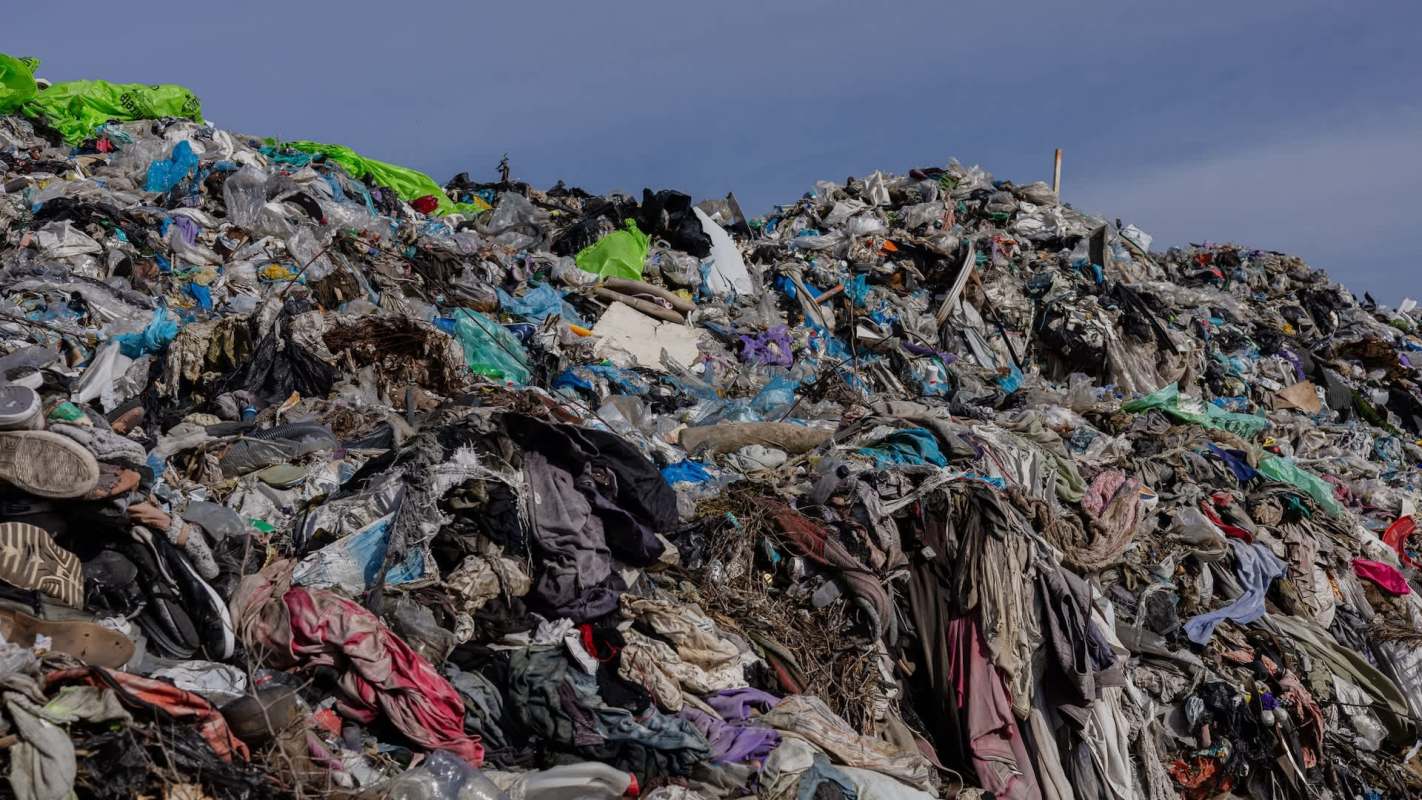
Methane is a powerful gas that is released from landfills when organic matter, such as food, decomposes.
Legislators in Colorado are attempting to draft methane reduction mandates for landfills, but the challenge of appeasing both industry leaders and environmentalists is delaying their progress, The Sum and Substance reported.
What's happening?
In August, regulators spent two days listening to public comments around Regulation 31, the state's new strategy to reduce heat-trapping gas by minimizing methane pollution from landfills.
Drafting of the proposed regulation began in August 2024, and the Colorado Air Quality Control Commission had to make changes to fit what industry leaders found technically and financially feasible.
This amounts largely to increasing monitoring. However, environmental groups do not think that increased monitoring of pollution is enough; they want to see an effort to divert food waste from ending up in the landfill in the first place.
Tim Roth, an attorney representing the Environmental Defense Fund, told The Sum and Substance, "Over the past several months, the proposed effectiveness of the rules has eroded without significant justification."
The financials of it all adds another layer of complexity, as dumping sites said that they may have to raise tipping fees to comply and others are concerned about a rise in illegal dumping, The Sum and Substance reported.
Why is methane reduction important?
According to the EPA, landfills are the third largest emitter of methane gas in the United States, beyond natural gas and petroleum systems, as well as the methane emitted as a byproduct of farm animals' digestion. RMI estimated that landfills release methane equivalent to the pollution produced while driving 66 million gas-powered cars.
Methane has a shorter lifespan as a pollutant, but its warming potential is great. Cutting down on methane pollution is crucial to reducing rising global temperatures in the near term.
As the planet gets hotter, weather becomes supercharged, yielding more dangerous storms, flooding, and disasters across the globe.
TCD Picks » Quince Spotlight
💡These best-sellers from Quince deliver affordable, sustainable luxury for all




|
Do you worry about having toxic forever chemicals in your home?
Click your choice to see results and speak your mind. |
 Majorly 😥
 What's being done about methane pollution?
If you are passionate about seeing your community take steps to mitigate the impacts of a shifting climate, talk to other community members and elected officials about how to improve sustainability in your area.
For now, Colorado's methane mitigation regulation will continue to be examined and discussed. The Air Quality Control Commission is set to make its final decision at a meeting between December 17 and 19.
Chris Colclasure, an energy attorney representing public landfill operators, told The Sum and Substance, "This is a complicated area to regulate. It's difficult to strike the right balance."

Join our free newsletter for good news and useful tips, and don't miss this cool list of easy ways to help yourself while helping the planet.
Cool Picks






