


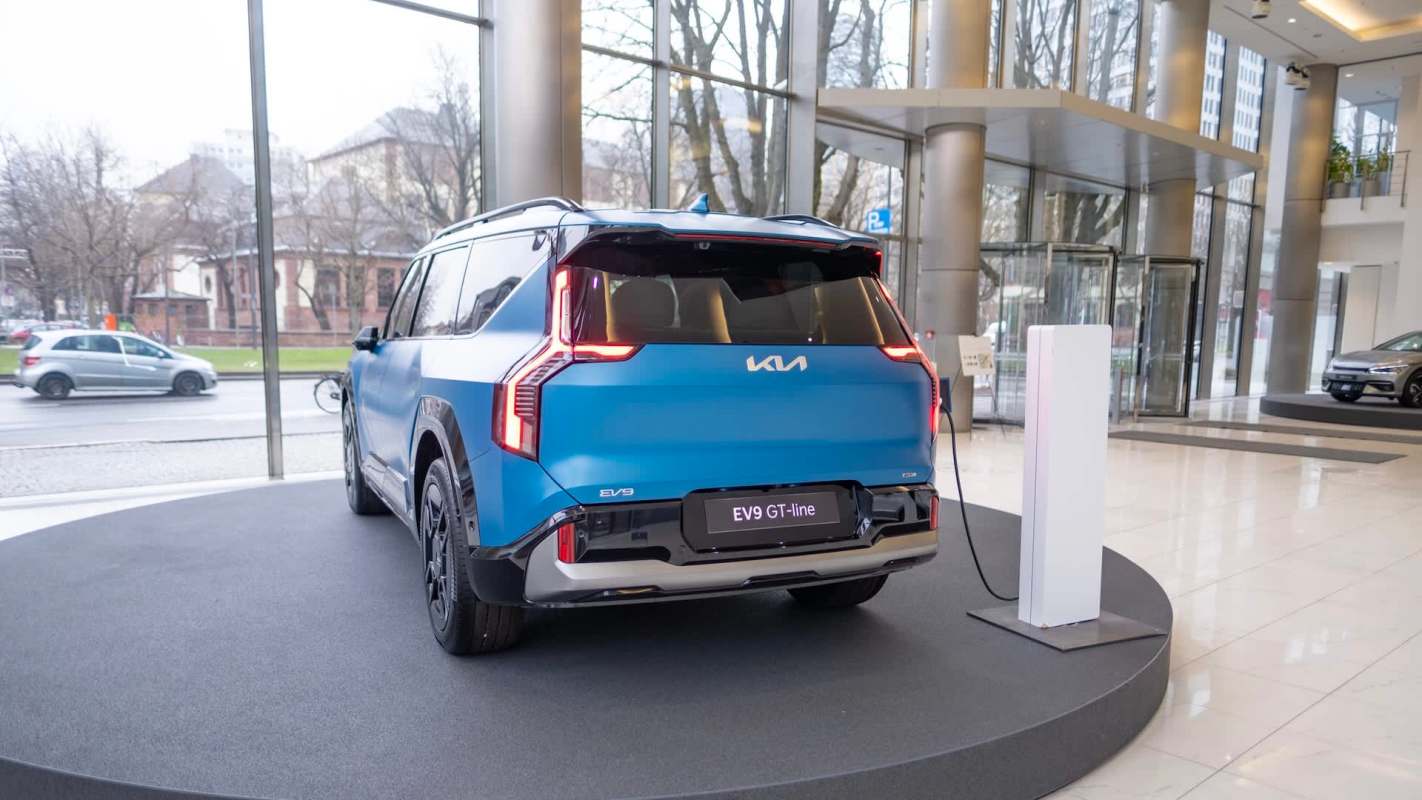
With federal tax credits for new and used electric vehicles having expired Sept. 30, officials in Colorado have stepped in to fill the gap by increasing state rebates for EVs, according to Denver7, a local ABC affiliate.
"The market has made it clear, EVs are here to stay," said Jared Polis, the Colorado governor, according to Denver7. "Colorado is a national leader in EVs, expanding access and creating pathways for Coloradans to purchase an EV at low-cost. I encourage all Coloradans who are thinking of buying an electric vehicle or have been holding off: Get out there now."
Under the revised program, Colorado residents making up to 80% of the area's median income will be able to get a rebate of up to $9,000 for a new EV and $6,000 for a used EV when they trade in an older, gasoline-powered vehicle. These figures represent an increase from the previous rebates of $6,000 for a new EV and $4,000 for a used one, Denver7 reported.
The increased rebates were aimed at continuing the forward momentum of EV sales in the state after a $7,500 federal tax credit for new EVs ended Sept. 30.
Even when charged off an average U.S. electrical grid, EVs are responsible for far less planet-heating pollution per mile than cars and trucks powered by internal-combustion engines.
"For light duty vehicles in the U.S., we see roughly 60 to 68% lower emissions from electric vehicles versus gas powered vehicles," explained Ed Piersa, an employee for the state energy office, according to Denver7.
While the existing rebate program had room in its budget to provide the higher rebates to lower-income Coloradans, there was not enough money to apply those higher figures to all Colorado residents.
"We don't have the financial ability to just replace those federal tax credits," said Will Toor, executive director of the Colorado Energy Office, according to Denver7.
Still, officials hope that increasing the rebates for at least some Coloradans will help the state continue to make progress on replacing gas-powered vehicles with cleaner EVs.
Since the program began in 2023, it has helped take more than 2,700 gas-guzzling vehicles off the roads, according to Denver7.
TCD Picks » Quince Spotlight
💡These best-sellers from Quince deliver affordable, sustainable luxury for all




|
Should the government provide incentives to buy EVs?
Click your choice to see results and speak your mind. |
 Absolutely 💯
 In addition to being responsible for significantly less heat-trapping pollution per mile than gas-powered cars, EVs also do not emit dangerous substances like particulate matter, carbon monoxide, and nitrogen dioxide during operation, according to the California Air Resources Board.
"Health effects from vehicle pollution can include respiratory and cardiovascular diseases, as well as increased risk of cancer," warned the Air Resources Board's website.
In addition to the environmental and public-health benefits of EVs, electric vehicles can also save drivers thousands of dollars per year on fuel costs, according to the U.S. Department of Energy.
To push the environmental, public-health, and cost-saving benefits of driving an EV even further, you can install solar panels on your home. Home solar systems can drop your electricity bill to practically zero while powering all of your electric appliances, including an EV charging station, with cleaner, renewable energy from the sun.
If you have questions about home solar, EnergySage can help with its free, easy-to-use website. EnergySage lets you compare quotes among vetted local installers, see the average cost of a solar installation in your area, and identify rebates and other available incentives, saving customers up to $10,000.

Join our free newsletter for good news and useful tips, and don't miss this cool list of easy ways to help yourself while helping the planet.
Cool Picks






