


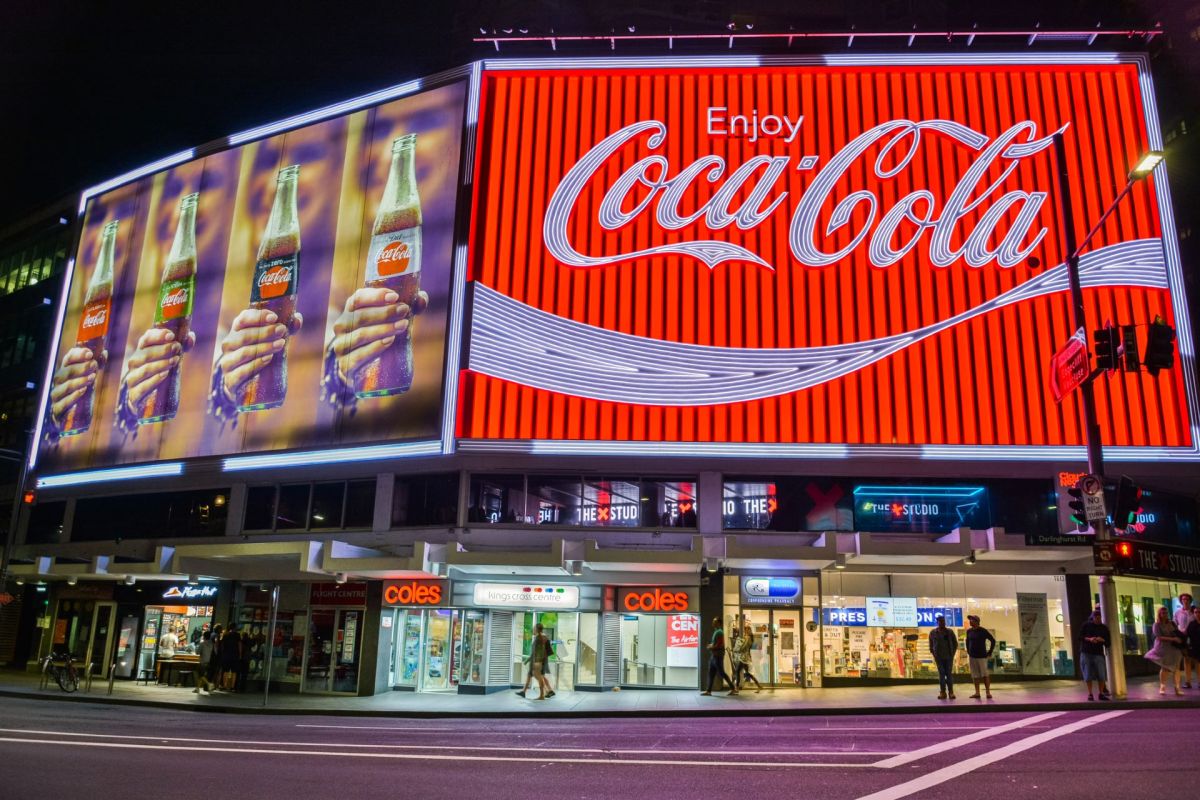
President Donald Trump made an unexpected claim on July 16, asserting he'd conferred with the Coca-Cola Company and convinced executives to agree to a major change for their flagship product, Coke.
"I have been speaking to Coca-Cola about using REAL Cane Sugar in Coke in the United States and they have agreed to do so," Trump began on Truth Social.
"I'd like to thank all of those in authority at Coca-Cola. This will be a very good move by them — You'll see. It's just better," he concluded.
However, a representative for Coca-Cola declined to commit to or corroborate the president's claim.
"We appreciate President Trump's enthusiasm for our iconic Coca-Cola brand. More details on new innovative offerings within our Coca-Cola product range will be shared soon," the company said in a statement, per NBC News, leaving consumers to wonder about what led to Trump's claim.
Coca-Cola and its rival, PepsiCo, began slowly introducing high-fructose corn syrup around 1980, and on Nov. 6, 1984, both companies announced they'd "use up to 100 percent" HFCS to sweeten their standard varieties of soda, per The New York Times.
In the ensuing decades, demand for cola sweetened with cane sugar never fully waned, and cane sugar-sweetened Coca-Cola from Mexico — often sold in glass bottles as "Mexican Coke" — has become a popular alternative, even earning a permanent spot on Chipotle's menu.
Typically abbreviated "HFCS," high-fructose corn syrup's slow and steady creep into the American food supply has been controversial. Back in 2002, journalist Michael Pollan wrote an editorial for the Times about the dominance of corn-based sweeteners.
Pollan bluntly stated that "we're sacrificing the health of both our bodies and the environment" both by producing such a vast quantity of corn and eating "so much of it," and he estimated that between 10% and 20% of caloric intake in the United States was corn-based.
Pollan called modern corn hybrids "the greediest of plants, demanding more nitrogen fertilizer" and pesticides than other crops, and he described the corn industry as "a huge, inefficient, polluting machine that guzzles fossil fuel — a half a gallon of it for every bushel."
TCD Picks » Quince Spotlight
💡These best-sellers from Quince deliver affordable, sustainable luxury for all




|
What single change would make the biggest dent in your personal food waste?
Click your choice to see results and speak your mind. |
 Not buying food I don't need 🧐
 A 2009 Slate piece on the ecological implications of HFCS cited an industry study contrasting the impacts of corn crops and sugar cane crops. It determined that sugar cane used more water in the aggregate, but heat-trapping emissions were a significant concern with corn-based sweeteners.
In short, a switch from HFCS to cane sugar in Coca-Cola — which, unsurprisingly, is the top-selling soft drink in the United States — could have a massive positive impact on the environment. While it could cause some pain among corn farmers, in the long run, a switch to cane sugar could prove to be a good thing with fewer drawbacks.

Join our free newsletter for good news and useful tips, and don't miss this cool list of easy ways to help yourself while helping the planet.
Cool Picks





