Planet Patrol, an organization in the U.K. dedicated to reducing waste, recently revealed a report with the top five brands that produced the highest amounts of litter.
What's happening?
The worst offender remained Coca-Cola for each year, with McDonald's, Walkers, Tesco, and Cadbury following.
The level of consistency such major brands show in their production of waste is a prime example of why, much of the time, excess litter is corporate in nature.
Per Planet Patrol, "Only 17 unique brands have appeared in our top 10 ranking over the six years, showing how a small number of companies are consistently polluting our environment on a large scale."
Why is this important?
Holding major junk contributors accountable for the types of packaging they create is crucial in decreasing waste across the world. Addressing litter pollution at the root of the issue is an important step in the process.
With so much trash piling up on city streets, in landfills, and even in neighborhoods, the problem will only continue to grow the more it is ignored.
Stay hydrated and refreshed this holiday season — without any sugar or harmful additives Nuun’s zero-sugar hydration tablets are a perfect, guilt-free way to enhance your water throughout the day. You’ll get five essential electrolytes for everyday hydration — with zero grams of sugar. Plus, Nuun tablets are certified vegan and gluten-free, and they’re the perfect size to keep in your car, purse, or anywhere you'll want a healthy, restorative drink. Learn more → |

By putting the pressure on big corporations to make tangible changes instead of empty pledges, people can aim to reduce waste and keep the environment and those who live in it safe and healthy.
What's being done about this?
Coca-Cola has made some effort to mitigate the sheer amount of litter the company contributes to, with yearly reports noting its intent to decrease plastic packaging.
Per Coca-Cola's 2024 Environmental Update, the company "aim to use 35% to 40% recycled material in primary packaging (plastic, glass and aluminum), including increasing recycled plastic use to 30% to 35% globally by 2035" and "aim to collect 70% to 75% of the equivalent number of bottles and cans introduced into the market annually by 2035."
However, such nebulous goals do not do an adequate job of keeping companies responsible.
TCD Picks » Upway Spotlight
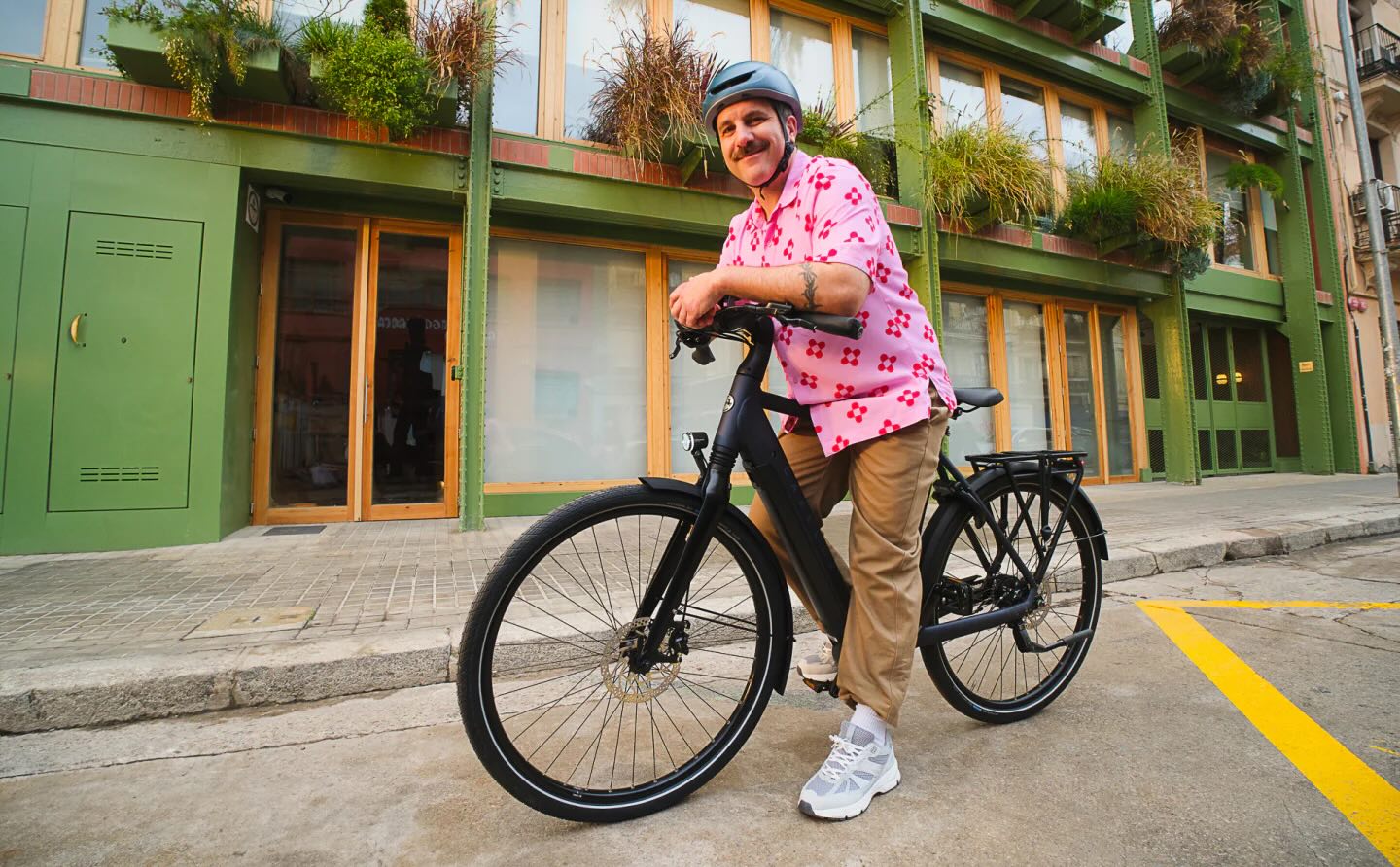
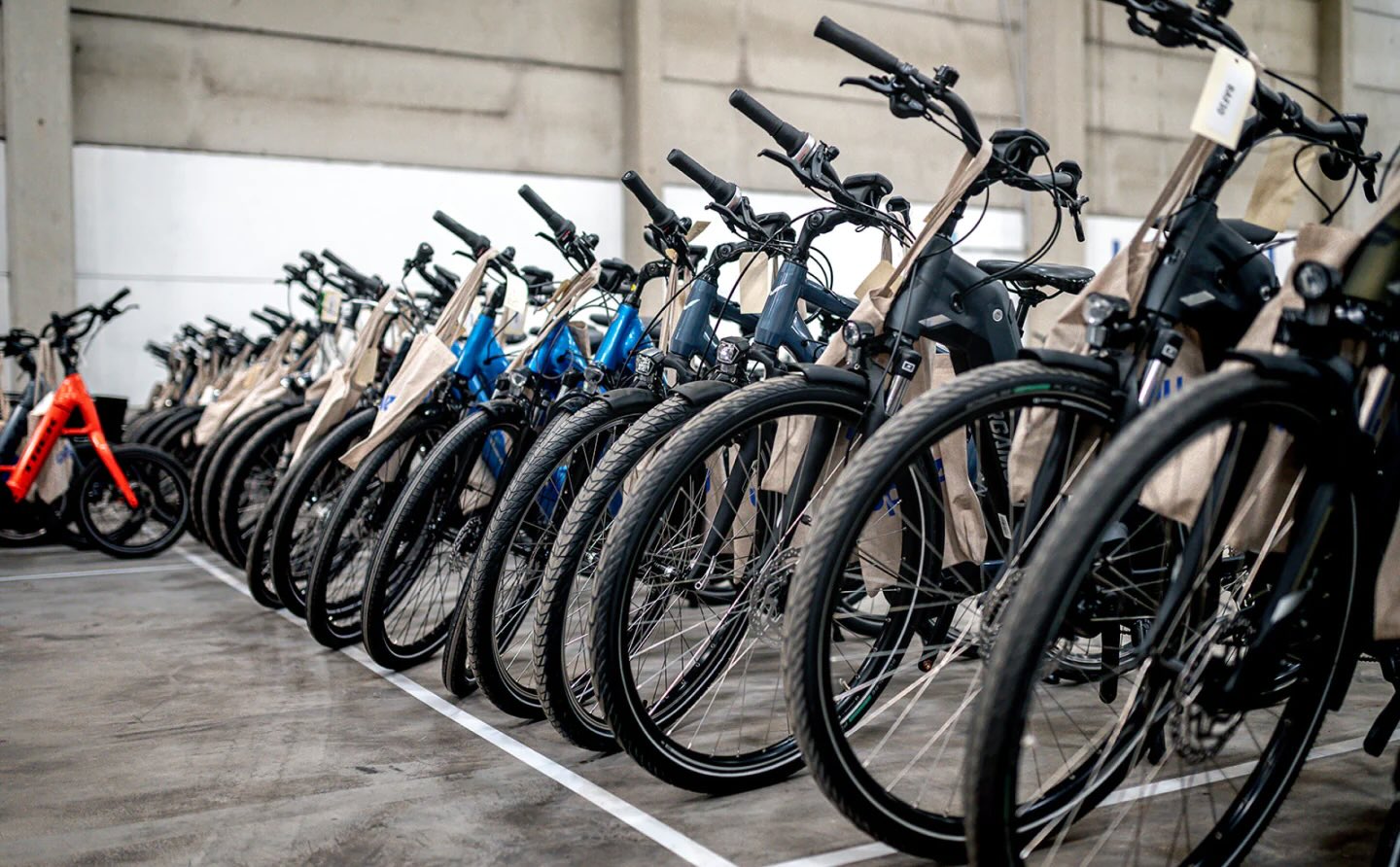
💡Upway makes it easy to find discounts of up to 60% on premium e-bike brands



|
Should companies be required to help recycle their own products?
Click your choice to see results and speak your mind. |
 Definitely 👍
 Planet Patrol maintains that "relying on corporations to volunteer to take action is not enough," citing a need for policy reform and consumer support.
The founder of the organization, Lizzie Carr, further extrapolated on this: "We see insufficient action from big brands in dealing with the packaging they produce. There's no time to waste; we need bold legislation to hold polluting brands accountable."
Their suggestions for immediate implementation include banning single-use plastic bags, regulating schemes on soft plastic recycling, ending greenwashing, and increasing the responsibility of packaging producers for the costs they incur through litter.

Join our free newsletter for good news and useful tips, and don't miss this cool list of easy ways to help yourself while helping the planet.
Cool Picks