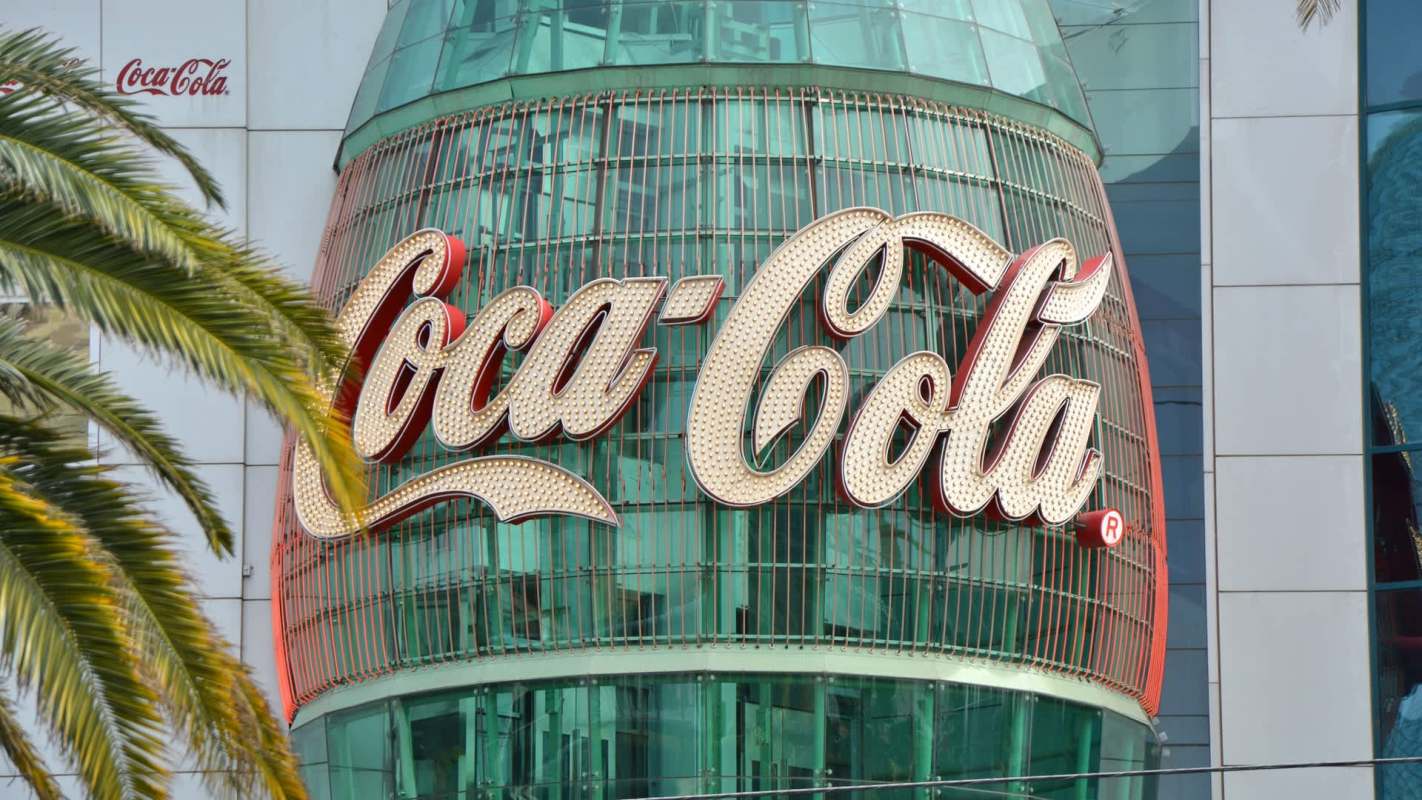
Coca-Cola transferred another 4.4 billion euros ($5.17 billion) from its operation in Ireland to an entity based in the Cayman Islands.
What's happening?
According to Business Post, the beverage giant's Irish arm, European Refreshments Unlimited Company, transferred 2.3 billion euros ($2.7 billion) in 2024 and 2.1 billion euros ($2.5 billion) more this year to Atlantic Industries, an entity registered in the Cayman Islands.
Total payments sent to this offshore destination since 2016 now top 16.6 billion euros ($19.5 billion).
This subsidiary operates out of Drogheda and has drawn scrutiny from U.S. tax authorities. A ruling from the U.S. Tax Court said the Irish operation had hidden "astronomical levels" of profit from the IRS.
Judges ordered the company to hand over $6 billion covering taxes and interest from a three-year period ending in 2009.
A Financial Times estimate put Coca-Cola's potential liability at $16 billion, factoring in facilities in Brazil and Ireland.
TCD Picks » Upway Spotlight
💡Upway makes it easy to find discounts of up to 60% on premium e-bike brands





A Coca-Cola spokeswoman said the Irish facility "operates a state-of-the-art concentrate manufacturing plant and a flavours facility" and has nearly 1,000 workers on staff.
Chief financial officer John Murphy said the company is confident.
"We have outside counsel who have, each quarter, continued to evaluate the case on the facts that are available to them, and they continue to offer an opinion that gives us a greater-than-not chance of prevailing," he said.
Why is Coca-Cola's tax strategy concerning?
When large corporations move profits to low-tax jurisdictions, less money flows into public systems. Those billions could fund schools, hospitals, roads, and emergency services in the communities where companies actually operate and sell products.
TCD Picks » Quince Spotlight
💡These best-sellers from Quince deliver affordable, sustainable luxury for all




|
Should the U.S. government ban all products tested on animals?
Click your choice to see results and speak your mind. |
 Absolutely 👍
 The Irish subsidiary's tax rate tells a striking story. Back in 2017, the company paid a mere 1.32% on what it earned from operations. That rate rose to 7.88% by 2023 but fell again to 5.87% last year after the company claimed over 239 million euros ($280 million) in tax relief.
Coca-Cola's tax affairs are not the only concern surrounding the company. It remains the world's largest branded plastic polluter, with the 2023 Global Brand Audit giving it the not-so-flattering title for the sixth year in a row.
While it has taken steps to reduce plastic usage, there's still a long way to go to truly reduce its polluting impact.
What's being done about corporate tax avoidance?
More than 140 countries have agreed to a 15% global minimum corporate tax through the OECD, an effort meant to close loopholes that let companies shift profits to havens.
Meanwhile, the U.S. continues pursuing its case against Coca-Cola, with the company fighting the ruling on appeal.
If you want to push for change, contact your elected officials and voice your support for corporate tax transparency laws. You can find your representatives through usa.gov or your local government website.

Get TCD's free newsletters for easy tips to save more, waste less, and make smarter choices — and earn up to $5,000 toward clean upgrades in TCD's exclusive Rewards Club.
Cool Picks