


Artificial intelligence is rapidly moving into ad campaigns and design work, but the shift is drawing resistance from some consumers.
Criticism of AI-created promotions from brands like Coca-Cola and Valentino may even be developing into a possible countertrend: work identified as human-made may itself be becoming more marketable, according to Yahoo Finance.
Here's what to know
As the topic dominates several corners of the news cycle, Americans are far from fully embracing AI's growing role in everyday life.
Pew Research Center found that half of Americans report the rise of AI worries them more than it excites them, while 53% think it will erode our ability to have independent creative thoughts.
That skepticism is beginning to show up in our shopping habits, according to Yahoo Finance.
Valentino, the Italian fashion house, released an entirely AI-made campaign for a handbag in late 2025 — and the BBC noted that Instagram commenters blasted it as "cheap" and "lazy."
TCD Picks » Quince Spotlight
💡These best-sellers from Quince deliver affordable, sustainable luxury for all




Research in the Journal of Advertising Research found that consumers react more negatively when luxury brands disclose AI-generated imagery, because the work can seem less effortful and the brand less authentic.
The risk to brand perception is not theoretical.
In DoubleVerify's 2026 Media Quality in the Age of AI study, 43% of consumers in North America said low-quality or "uncanny" AI ads would hurt their opinion of a brand.
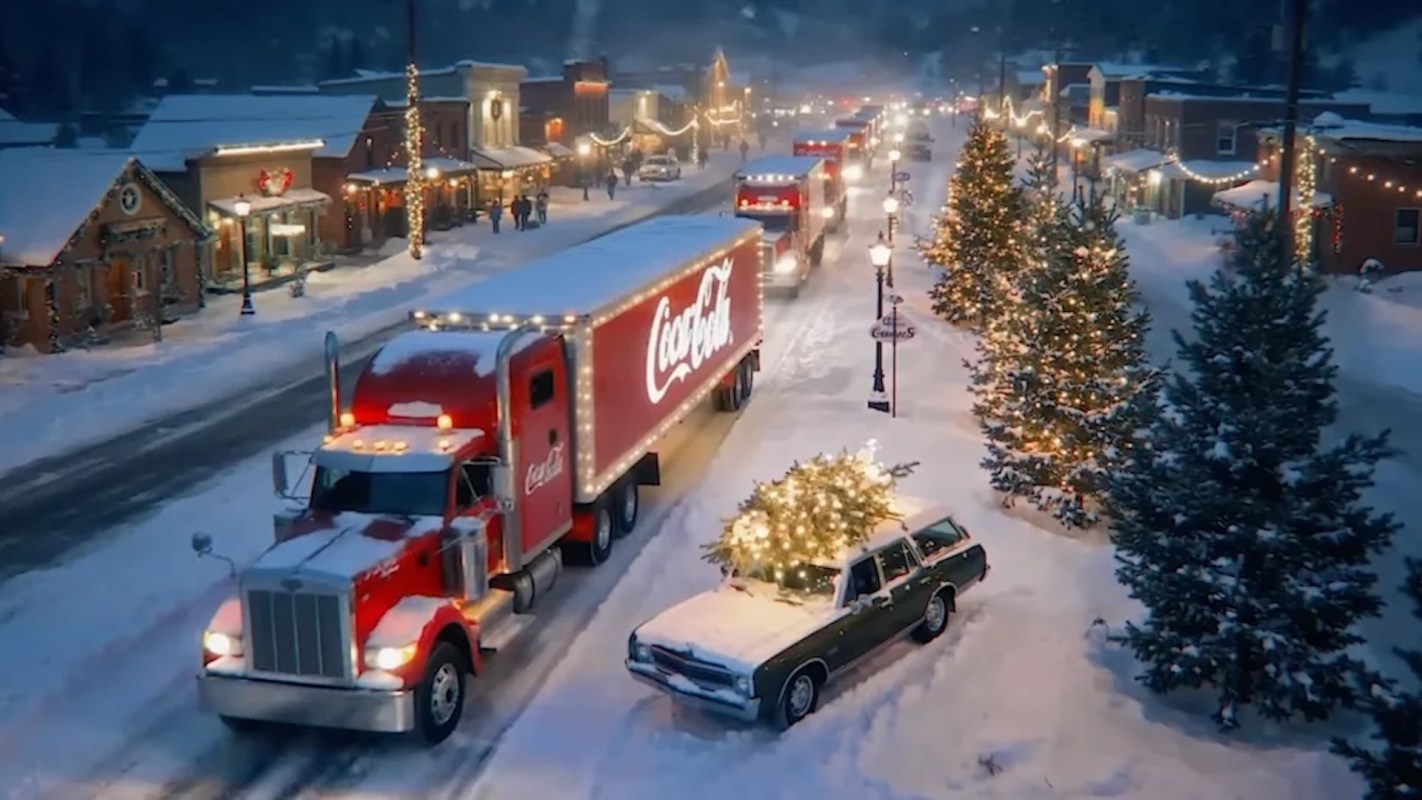
Coca-Cola saw that kind of backlash in late 2024, when it released fully AI-generated holiday ads designed to echo one of its 1995 campaigns.
More background
The issue is hardly limited to a handful of marketing campaigns.
As AI's tentacles stretch deeper into fashion, entertainment, retail, and marketing, brands are testing how much automation consumers will accept before it feels hollow.
That matters especially at a time when trust, authenticity, and craftsmanship are central to how many companies justify premium prices. If consumers start to see AI-generated work as low-effort, it can undermine the image brands are trying to sell.
There is also a broader environmental and infrastructure angle.
AI tools rely on energy-hungry data centers that consume large amounts of electricity and water for cooling, straining the grid and contributing to higher utility costs for households.
At the same time, AI is not solely a negative force in that arena.
It can also help forecast electricity demand, improve grid efficiency, and better integrate wind and solar power. Its role is complex, as it may support cleaner energy systems while also creating new strains, security concerns, and opportunities for misuse.
AI can affect product quality, jobs for human creatives, confidence in what brands are actually selling, and the resources needed to power the digital economy behind those polished campaigns.
What can be done?
Sustained AI blowback suggests there is a limit to how far brands can push automation in creative work.
Companies may fare better when AI supports human creators rather than replaces them, especially if the alternative is a campaign built around uncanny or obviously low-effort visuals.
After Coca-Cola faced an already AI-weary public in 2024, Gravity Falls creator Alex Hirsch tweeted about the putative impact of the technology on those in creative careers.
"FUN FACT: @CocaCola is 'red' because it's made from the blood of out-of-work artists," Hirsch joked.
Reactions to campaigns like these suggest that, in an AI-saturated market, human effort may become a luxury marker in itself.

Get TCD's free newsletters for easy tips, smart advice, and a chance to earn $5,000 toward home upgrades. To see more stories like this one, change your Google preferences here.






