


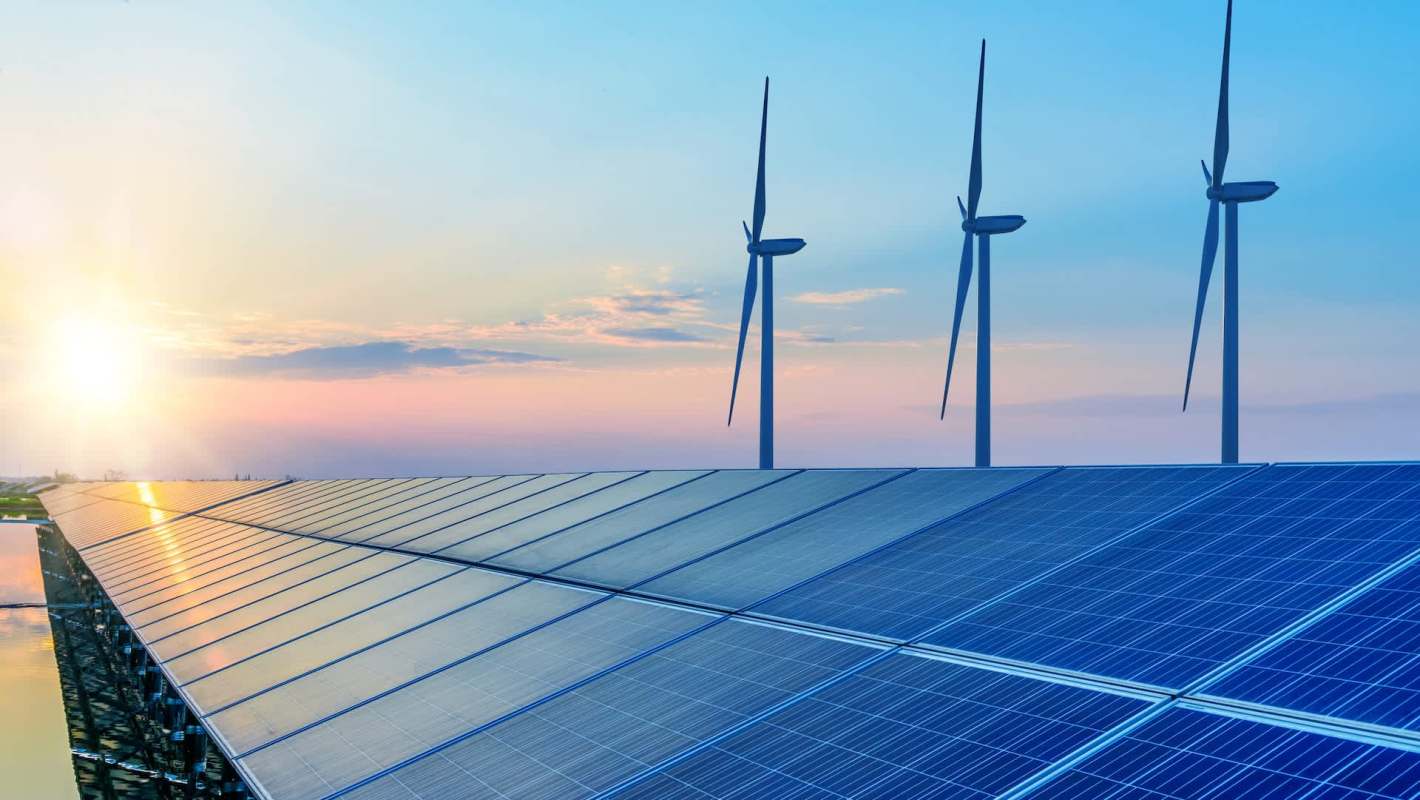
According to new analysis from the Corporate Energy Buyers Association — or CEBA — pulling back on clean energy could come at a cost of over $100 billion.
For Americans who already watch their utility bills closely, the message is straightforward: Shutting out lower-cost power sources can mean more expensive electricity.
What's happening?
According to PV Magazine, the CEBA report argues that if the U.S. restricts how much wind and solar energy infrastructure is built, Americans could end up spending about $121 billion more on electricity than they otherwise would.
At its core, the analysis is about policy choices and what they cost. Instead of viewing wind and solar only through a climate lens, it presents them as a household-budget issue, arguing that preventing cheaper energy from coming online can raise costs for ratepayers.
"When all energy resources are allowed to compete on a level playing field, American households and businesses benefit," CEBA CEO Rich Powell said in a press release.
As federal backing for both wind and solar is rolled back, there are fresh questions about how much additional clean power will make it onto the grid.
TCD Picks » Quince Spotlight
💡These best-sellers from Quince deliver affordable, sustainable luxury for all




Meanwhile, in a Reddit thread discussing the CEBA report, people debated how directly those added costs would show up in household electricity bills.
Why does this matter?
Electricity is a basic household expense, and when power becomes more expensive, the effects can spread quickly. Families may feel it through higher monthly utility bills, while businesses, schools, and local governments also face added costs that are often passed along in other ways.
Wind and solar have become some of the cheapest new sources of electricity in many parts of the country. If policy rollbacks slow their growth, utilities may have fewer affordable options to add to the grid. That could keep the older, more expensive generation running longer or push utilities to rely more heavily on costlier alternatives.
Electricity demand is rising in many regions, in part because of data centers, manufacturing growth, electrification, and even warming and cooling needs in light of changing weather patterns. If newer, cheaper power sources become harder to build while demand is climbing, ratepayers could be squeezed from both directions, as there is a greater need for electricity and fewer low-cost ways to supply it.
"Meeting demand from data centers, advanced manufacturing, and other growing economic drivers requires smart policy," Powell noted in the release.
What's being done?
Even amid political headwinds, wind and solar projects are still moving forward in many states, and utilities continue to weigh them alongside batteries and grid upgrades because of the savings they can provide.
Redditors remained pessimistic about the situation, however.
"Congress will pass a bill so billionaires, data centers, and themselves don't have to pay," one commenter suggested cynically.
Another pointed to the cost of the Iran War for context.
"That's still less than what Trump is paying Iran so the USA can remain addicted to fossil fuels," they wrote.
Advocates for clean energy projects will continue to contest government-imposed cancellations or delays and fight such situations. Powell said that unlocking all these projects is of the utmost importance.
"To maintain economic competitiveness at this critical time, America's growing energy demand requires putting all energy options on the table," he said.

Get TCD's free newsletters for easy tips, smart advice, and a chance to earn $5,000 toward home upgrades. To see more stories like this one, change your Google preferences here.






