


A new national air quality report is putting a stark number on a worsening public health issue.
According to CBS News, the American Lung Association's 2026 State of the Air report found that 33.5 million children live in areas that received a failing grade on at least one major air-pollution measure.
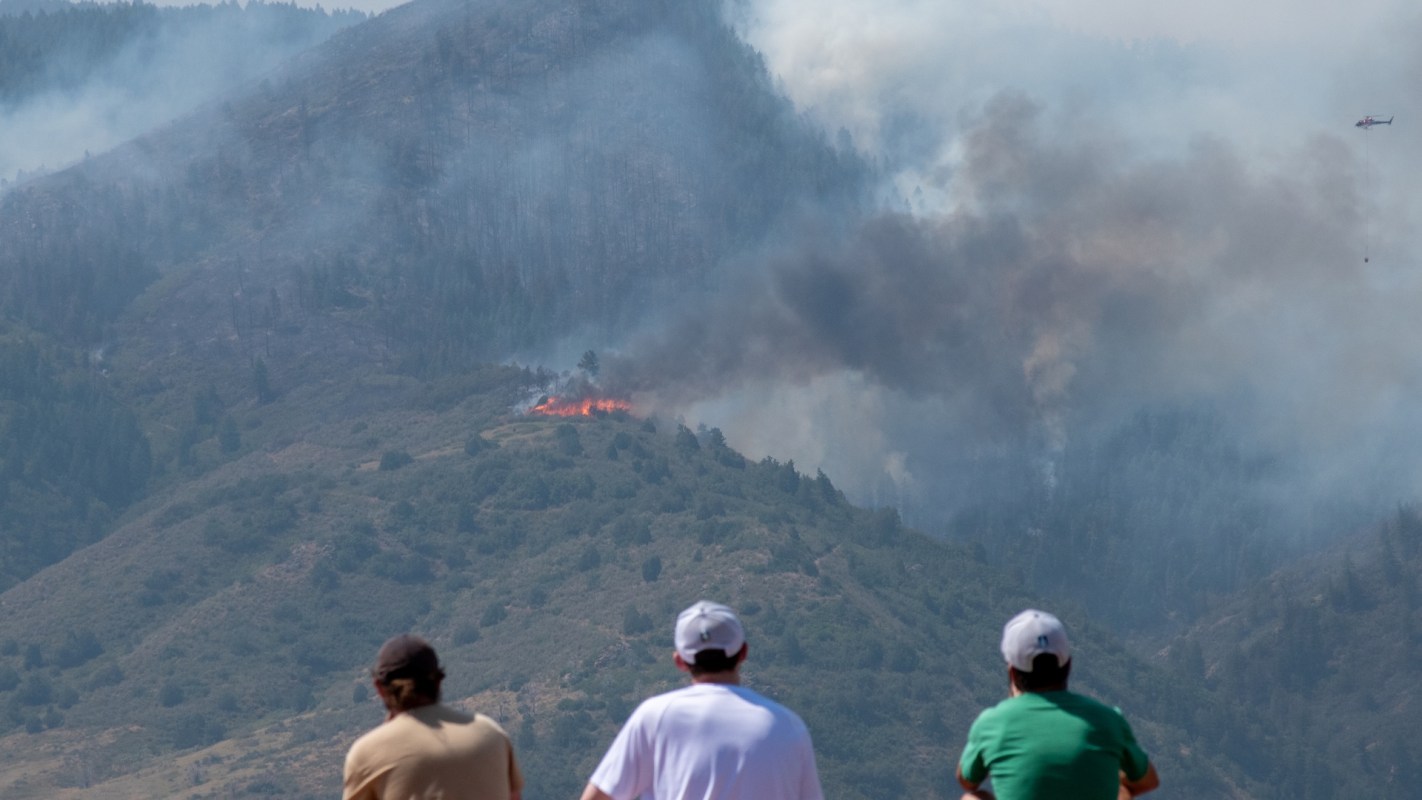
The report pointed to wildfire smoke, dust storms, and increasing ground-level ozone as key drivers behind declining air quality.
Among the cleanest cities were Bozeman, Montana; Casper, Wyoming; Kahului and Wailuku, Hawai'i; Urban Honolulu; and Burlington, South Burlington, and Barre, Vermont.
Among the most polluted were Bakersfield and Delano, California; Brownsville, Harlingen, and Raymondville, Texas; Eugene and Springfield, Oregon; Fresno, Hanford, and Corcoran, California; and San Diego, Chula Vista, and Carlsbad, California, tied with Visalia, California.
For many families, news like this can feel distant or abstract. But poor air quality often shows up in familiar ways: hazy skies, air quality alerts, canceled outdoor activities, and children coughing more during hot or smoky days.
TCD Picks » Quince Spotlight
💡These best-sellers from Quince deliver affordable, sustainable luxury for all




Public health experts warn that polluted air is more than just an inconvenience. It can affect how children grow, breathe, and learn.
Children are especially vulnerable because their lungs and brains are still developing, and they breathe more air per unit of body mass than adults.
"It also can affect the induction of asthma in children who ordinarily wouldn't have gotten it or reduce lung function over their lifetime because they've been exposed as children," said Kevin Stewart, the director of environmental health at the American Lung Association and one of the report's co-authors, per CBS News.
In other words, unhealthy air today can leave lasting health impacts long after the smoke clears.
The concern is growing as broader environmental changes intensify pollution. Hotter temperatures help create more ground-level ozone, while larger wildfire seasons send fine particle pollution drifting far beyond fire zones.
Dust storms are also contributing to unhealthy conditions in some regions, meaning communities far from wildfire-prone areas may still experience dangerous air quality.
The report arrived amid concerns over federal pollution safeguards, as some Environmental Protection Agency rules are being rolled back.
"Contrary to its mission, EPA has recently acted to weaken, delay, or revoke key health protections that will leave America's children more exposed and more vulnerable to the consequences of many different pollutants, including ozone and particle pollution," the report's authors wrote.
Health advocates warn that weaker standards could make it harder to protect children as air pollution threats become more frequent and widespread.
Researchers and public health officials continue to study the issue while pushing for stronger air protections, cleaner transportation, and stricter limits on pollution that contributes to ozone and soot.
Experts also recommend practical steps families can take when air quality worsens.
Checking local air conditions through weather apps can help parents make safer decisions about outdoor activities.
On smoky or high-ozone days, experts often advise limiting strenuous outdoor activity, keeping windows closed, and using a HEPA air purifier.
For children with asthma or other respiratory conditions, maintaining an up-to-date action plan with a doctor can also make a significant difference.
While these broader efforts will not solve the problem overnight, they could help reduce the number of days when millions of children are forced to breathe air considered unsafe by health experts.

Get TCD's free newsletters for easy tips, smart advice, and a chance to earn $5,000 toward home upgrades. To see more stories like this one, change your Google preferences here.






