


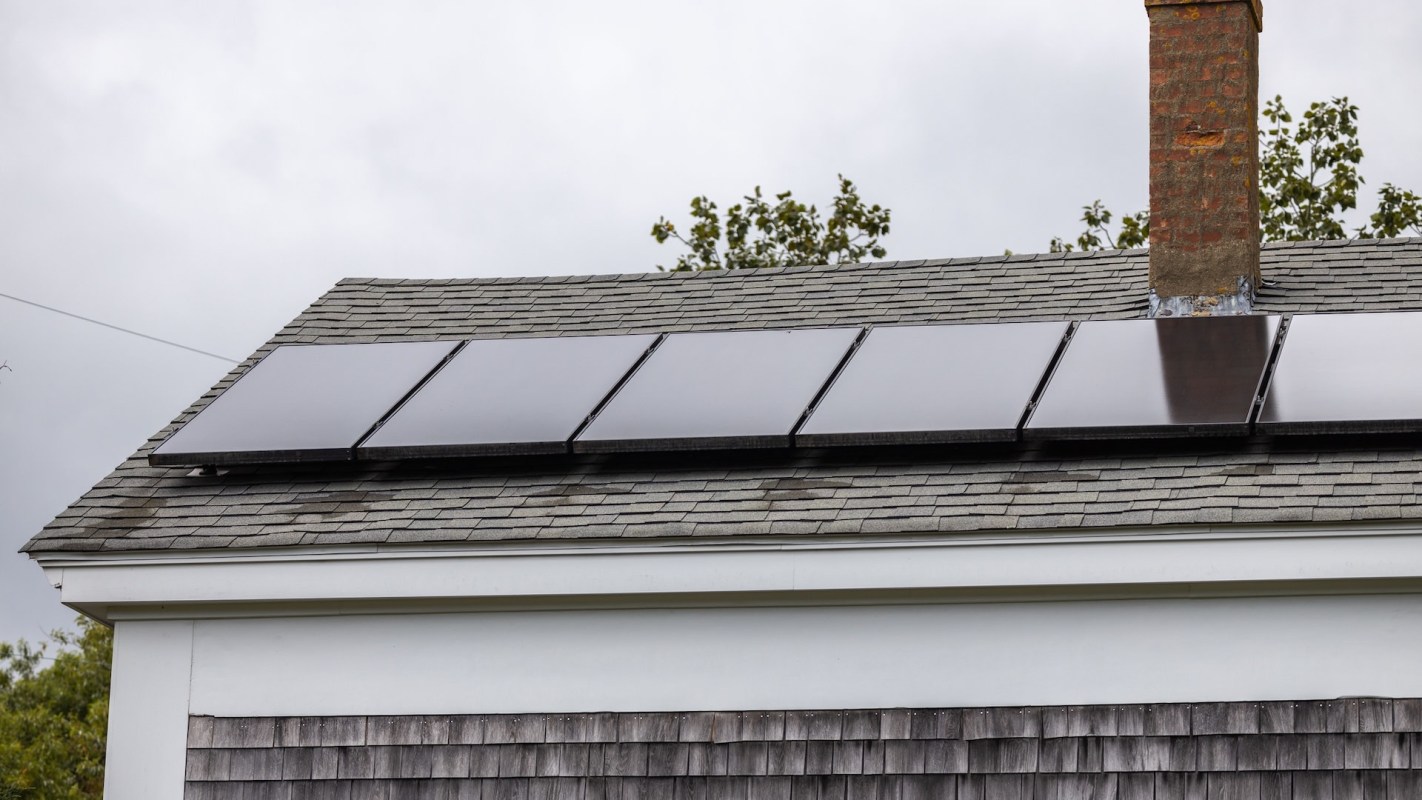
Low-income residents of Martha's Vineyard and Cape Cod took part in an innovative pilot program called the Cape and Vineyard Electrification Offering. The program looked to cut the use of non-sustainable energy and its linked energy costs, with 55 homes receiving solar panels, while others received heat pumps, electric stoves, and dryers.
The results were striking. The average household saved about $150 per month on energy bills, cutting their net electricity use by nearly 60%, Canary Media reported.
One participant, Judy Welch, watched her electricity bill drop to nearly $0, a massive decrease from the $500 she used to pay.
"My costs are drastically lower," she told Canary Media. "In the summer now, I don't have any bills."
This came at a time when the state of Massachusetts, while offering incentives to go solar, struggled to reach low-income citizens, as they feared high upfront costs.
"What the commonwealth has to have available, if we're going to even hope to achieve our climate goals, is that there have to be options for people at every income level," Maggie Downey, who rolled out the initiative as the chief administrative officer of the Cape Light Compact, told Canary Media.
|
Which of these factors is the biggest obstacle preventing you from getting solar panels? Click your choice to see results and speak your mind. |
 The upfront cost 💰
 These kinds of programs, in addition to EnergySage's free tool that helps homeowners save drastically on energy bills, may make high upfront costs a thing of the past. EnergySage has helped the average homeowner receive nearly $10,000 in incentives for solar installations. Its helpful mapping tool shows rates on a state-by-state basis.
Mitsubishi can help homeowners find the most affordable heat pump for their home and take advantage of the money-saving benefits of clean energy.
Save $10,000 on solar panels without even sharing your phone number Want to go solar but not sure who to trust? EnergySage has your back with free and transparent quotes from fully vetted providers that can help you save as much as $10k on installation. To get started, just answer a few questions about your home — no phone number required. Within a day or two, EnergySage will email you the best local options for your needs, and their expert advisers can help you compare quotes and pick a winner. |

While these actions showcase money-saving results, the Trump administration with Congress eliminated the solar tax credit and other incentives, so it's best to take advantage before the end of the year.
"The results show that there are savings, and that energy burdens are reduced by more than 50%, when you pair it all with solar," Downey said. "If we want to have low- to moderate-income customers come with us, we need to have options — that's all part of the conversation."

Join our free newsletter for good news and useful tips, and don't miss this cool list of easy ways to help yourself while helping the planet.
Cool Picks





