


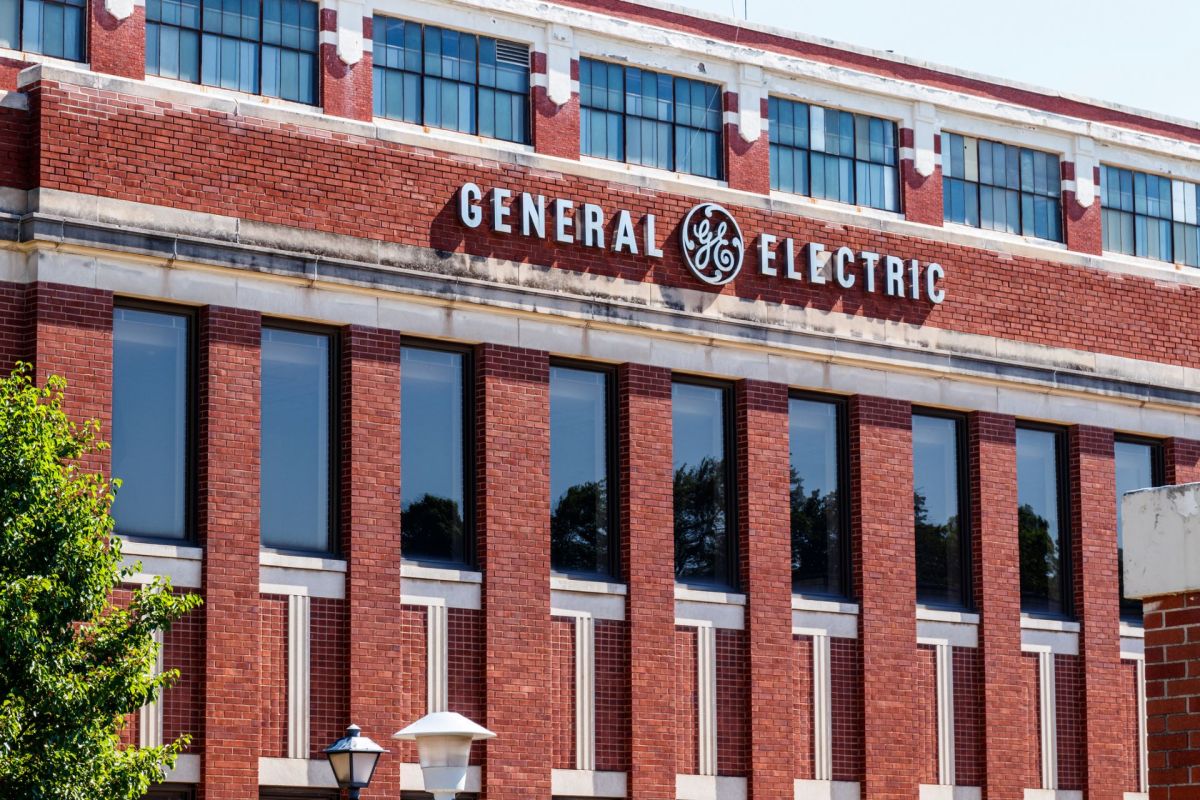
At a former GE Lighting facility in Ravenna, Ohio, a warehouse now houses a growing bitcoin mine. Operated by Rubber City Data, the facility runs more than 500 specialized servers that process bitcoin transactions around the clock, according to Crain's Cleveland Business.
Rubber City Data owner Marc Behar is a former U.S. Air Force linguist who entered the world of bitcoin as a true believer in the technology. In 2018, he converted nearly all of his savings into cryptocurrency and later funded the Ravenna operation with his own money alongside investments from friends and family.
What started as a modest setup has grown into a massive computing operation drawing two megawatts of electricity, roughly the amount used by about 400 to 3,000 homes, with access to far more power waiting to come online.
"In 2018, I converted all of my cash from fiat to bitcoin… 98% of my money is in bitcoin with 2% in banks and in other exchanges," Behar told Crain's Cleveland Business.
Bitcoin mining works by racing to solve cryptographic problems and unlock the next block in the chain. Behar's computers compete with miners worldwide to validate transactions and earn bitcoin as a reward. Unlocking a block now creates just over three bitcoins, and the reward shrinks roughly every four years under bitcoin's built-in scarcity model.
For Behar, the bet is long-term. He believes bitcoin's capped supply growth will make it a hedge against inflation as it continues to rise. "I think we'll see a million-dollar bitcoin," he told Crain's Cleveland Business.
Crypto mining is extremely energy-intensive, which raises serious climate concerns. Large-scale crypto operations consume vast amounts of electricity, and when powered by fossil fuels, they worsen carbon pollution. At the same time, cryptocurrency mines are increasingly being pitched as potential partners for renewable energy projects, capable of using excess or stranded clean power that would otherwise be wasted.
In some regions, miners are experimenting with solar, wind, and hydropower, and some are even recycling waste heat for use in buildings and greenhouses. But the industry still faces criticism for moving faster than accountability, especially in places where power grids are already strained and mining pollution threatens human health.
At Rubber City Data, cooling has become one of the main challenges. The building fills with heat from servers and forces the company to rely on massive ventilation systems. At the same time, electricity bills can climb over $145,000 per month, underscoring not only an energy risk but a financial one.
Behar remains committed. "We try to HODL as much as possible," he said. "HODL" is an abbreviation for "hold on for dear life," a term used by bitcoin believers who hold their coins without selling, regardless of market swings.
TCD Picks » Quince Spotlight
💡These best-sellers from Quince deliver affordable, sustainable luxury for all




Cryptocurrency now has a real environmental cost, and how the industry confronts it amid rising global temperatures may shape both the economy and climate of the future.
|
What do you think the future of cryptocurrency is?
Click your choice to see results and speak your mind. |
 It is the future of currency 😎
Get TCD's free newsletters for easy tips to save more, waste less, and make smarter choices — and earn up to $5,000 toward clean upgrades in TCD's exclusive Rewards Club.
Cool Picks






