


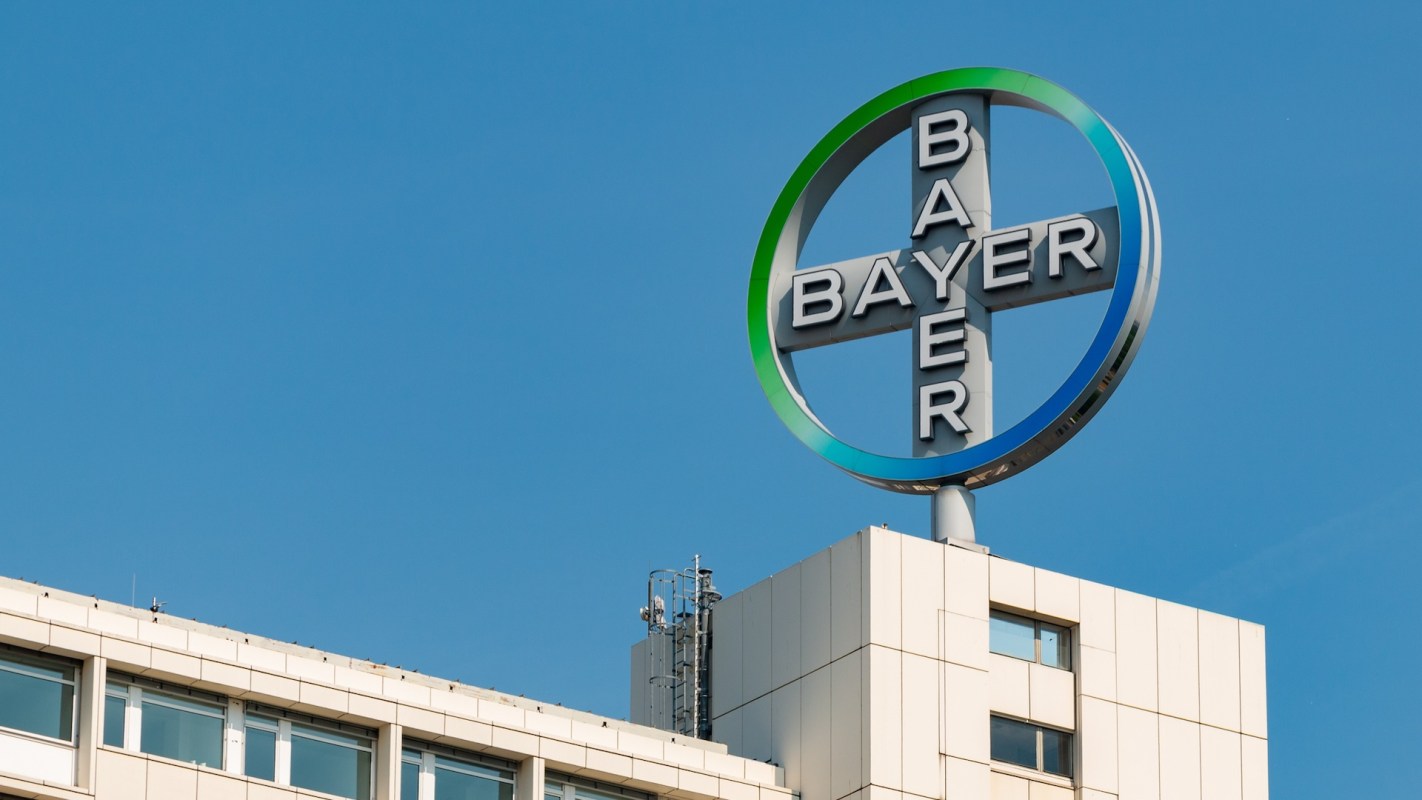
Bayer agreed to pay $7.25 billion to resolve thousands of claims alleging its herbicide Roundup led to non-Hodgkin's lymphoma, The New York Times reported.
What's happening?
The German pharmaceutical company submitted the proposed deal to a St. Louis, Missouri, courtroom Feb. 17. It covers claims already filed and those yet to come, with Bayer paying into a fund for 17-21 years.
This isn't Bayer's first attempt to end these lawsuits. An earlier effort worth $10 billion fell through six years ago when a judge raised objections about provisions for people who hadn't yet sued.
"Today marks an important milestone for the company," Bayer CEO Bill Anderson said during a call about the deal. Bayer's stock jumped 7%.
A pending Supreme Court case added pressure to get the deal done. The justices are set to weigh whether EPA approval of Roundup's labeling blocks plaintiffs from suing under state law. A lawyer for the plaintiffs, Christopher Seeger, pointed to the stakes, saying, per the Times, "If Monsanto prevails, many claims nationwide would be dismissed or curtailed."
Of the roughly 170,000 lawsuits brought against Bayer, over 40,000 remain active.
Why is the Roundup settlement important?
Bayer took over Monsanto, the maker of Roundup since the 1970s, in 2016. It has set aside $10 billion in legal costs tied to the herbicide. This deal would bring that figure to about $14 billion, the newspaper reported.
Anderson has said Bayer would pull Roundup from the market if the company couldn't resolve its legal exposure. The product is one of the most widely used herbicides in agriculture worldwide.
For the thousands of people who say Roundup gave them cancer, the deal offers a measure of financial accountability. And it comes at a pressing moment: If the Supreme Court sides with Bayer, many of those claims could be thrown out.
What's being done about Roundup?
If you use weedkillers at home, switch to nontoxic alternatives such as vinegar-based sprays, hand-pulling, or mulching to manage unwanted plants. Choose organic produce when possible to support farming that skips synthetic herbicides.
TCD Picks » Quince Spotlight
💡These best-sellers from Quince deliver affordable, sustainable luxury for all




Contact your elected officials and voice your support for tighter pesticide safety standards. The Environmental Protection Agency's decisions on products such as Roundup affect what ends up in your yard, your food, and your water.
|
What's the most you'd pay per month to put solar panels on your roof if there was no down payment?
Click your choice to see results and speak your mind. |
 $200 or more 💰
Get TCD's free newsletters for easy tips to save more, waste less, and make smarter choices — and earn up to $5,000 toward clean upgrades in TCD's exclusive Rewards Club.
Cool Picks






