


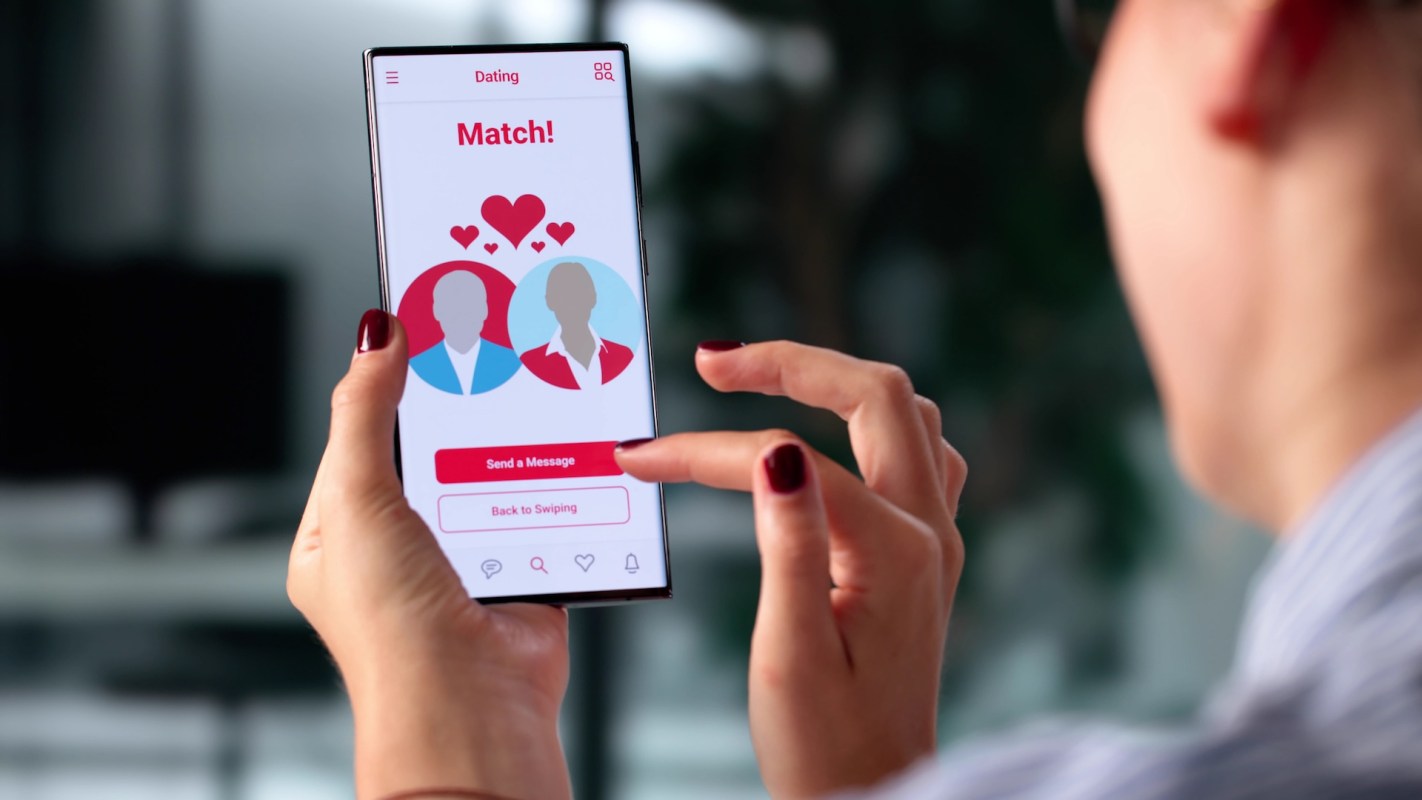
A Central Florida woman says an online relationship turned into a scam that cost her thousands of dollars and now cuts into the Social Security money she receives each month.
Here's what to know
Expecting that she and the person would eventually meet, Central Florida resident Cathy Rice spent money on airfare, hotels, VIP tickets, and Apple gift cards after interacting with an account she believed belonged to social media influencer Thane Rivers, ClickOrlando reported.
After Rice said she had no money left, the person behind the profile sent her a $4,000 check and said a visit was coming. Her bank later determined the check was fake.
Because the check was fraudulent, Rice is still responsible for the money and is repaying it through $130 monthly deductions from her Social Security check.
"I don't see a lot of people. I've gotten lonely over the years," Rice said.
FBI data shows that Rice is far from the only person to be facing something like this.
TCD Picks » Quince Spotlight
💡These best-sellers from Quince deliver affordable, sustainable luxury for all




More than 550 people in Florida reported romance-related scam losses in 2025, totaling $22.2 million. Across the country, the bureau received more than 23,000 complaints, with losses nearing $930 million.
Scammers often rely on carefully timed messages and requests that feel personal instead of suspicious.
Investigators said that these schemes are getting harder to spot as scammers use social media impersonation and artificial intelligence to appear more convincing.
What can be done?
The Umatilla chief of police said people should ask for a live, on-camera conversation to confirm that an online contact is really who they claim to be. The next step is watching carefully for evidence of live AI-assisted filters that can make someone look like someone else, so asking the person to hold up a certain number of fingers in front of their face can typically defeat those filters. If they are evasive about doing it, they are likely using a filter.
Officials say requests for money are a major warning sign, particularly when someone asks for gift cards. Scammers prefer that payment method because it is difficult to trace and nearly impossible to recover.
If a wire transfer is involved, law enforcement advises contacting your bank immediately in case the payment can still be stopped. If someone sends a check or cashier's check, do not spend or withdraw any money until the bank confirms it is legitimate and fully cleared.
Police urge victims to report suspected scams to local law enforcement as quickly as possible.
"They know exactly what to say to make you fall in love, trust me," Rice said. "So even though it's a loan, I still have to pay for it, even though it was all fraud."
Where can I learn more?
Fraud can begin with something or another person that someone trusts.
• In Florida, utility customers faced AI scam calls dangling fake $4,000 rebates and free AC units.
• A woman lost savings when a verified bank number led to a fake FBI courier.
• In Ohio, a woman sent $500 to Facebook dog rescue before her bank flagged fraud.
• In Kansas, a hospital garnished wages from a woman who appeared to qualify for free care.
It never hurts to question why or how someone you're not familiar with is asking for money or other resources from you. It could save you or someone you love a lot of heart- and headache.

Get TCD's free newsletters for easy tips, smart advice, and a chance to earn $5,000 toward home upgrades. To see more stories like this one, change your Google preferences here.






