


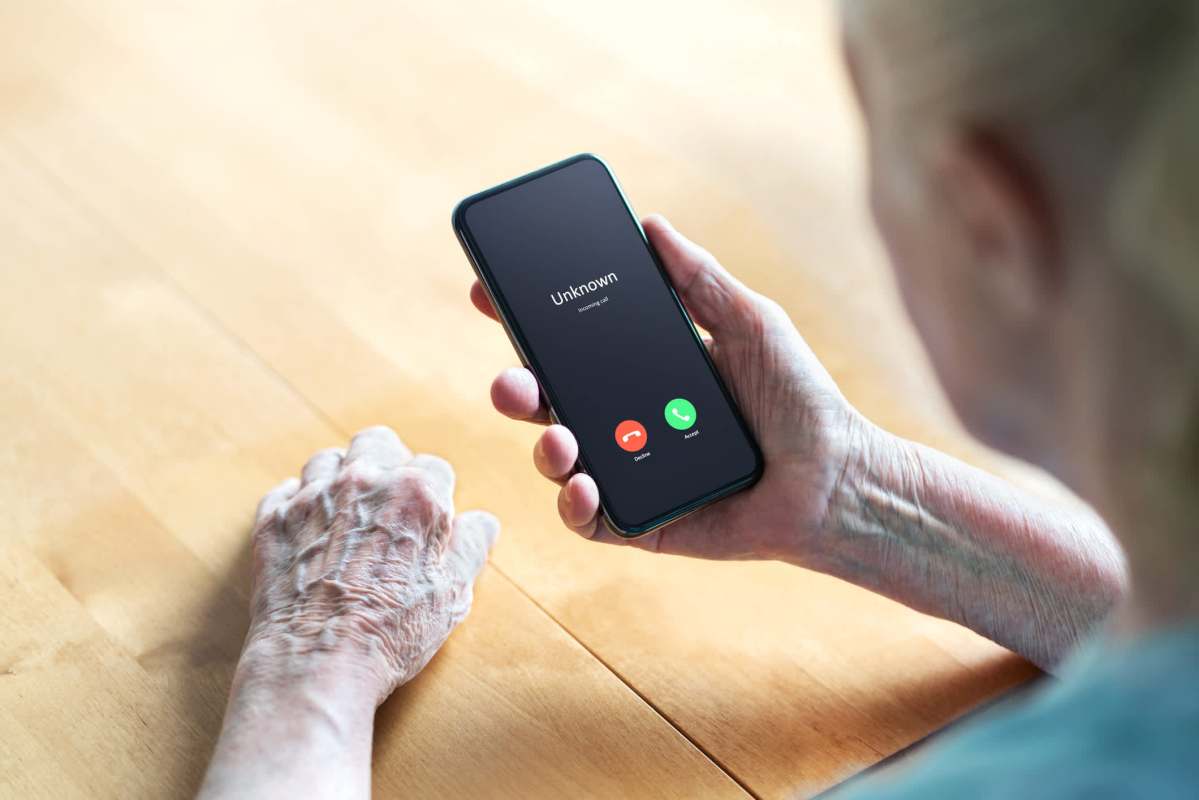
A warning from Florida Power & Light Co. points to an unsettling twist in the rise of artificial intelligence: scam calls that sound polished, urgent, and costly to ignore.
For customers already worried about high power bills in summer heat, promises of thousands of dollars in rebates or a free air conditioner could be especially tempting.
What's happening?
According to NBC 6 South Florida, utility customers are being targeted by AI-generated scam calls that pretend to offer rebates or bill credits in an effort to collect sensitive information.
To show customers what to watch for, Florida Power & Light shared an example of the kind of message they might receive: "Your home has been flagged for an energy compliance review. As a result, you may be eligible to receive up to $4,000 in energy rebates and get an air-conditioner at no cost."
In one version, the message gives a number to call back, addresses the recipient by first name, and describes the offer as the "last notice" to claim the benefits.
FPL said similar scams may reach customers by text or email.
TCD Picks » Quince Spotlight
💡These best-sellers from Quince deliver affordable, sustainable luxury for all




Why does it matter?
Utility scams are nothing new, but AI can make them feel much more believable. A realistic voice, a sense of urgency, and details such as a customer's first name can make fake outreach sound official, especially when it taps into concerns about energy costs and home cooling.
Utility customers may feel pressure to act quickly if they think they might miss a rebate, face a billing problem, or be offered a limited-time program. In reality, responding could expose account details, payment information, and other personal data.
AI is also becoming more intertwined with the energy grid itself. Utilities and grid operators can use it to forecast electricity demand, spot outages, and manage clean energy resources such as solar power and battery storage.
But AI also comes with trade-offs, including heavy electricity and water use by data centers, security concerns, misuse risks, and the possibility of higher system costs that affect consumers.
What can I do?
Don't trust unsolicited messages about rebates, credits, or free equipment just because they sound professional. If you get such a call, text, or email, avoid clicking links, calling back unknown numbers, or sharing personal information.
Instead, contact your utility through its website, app, or customer service number on your bill. If a rebate or assistance program is real, it should be verifiable through those channels.
Slow down when a message uses pressure tactics such as "final notice" language or claims that you must act immediately to receive money or avoid losing benefits. Scammers often rely on urgency to keep people from trying to validate information.

Get TCD's free newsletters for easy tips, smart advice, and a chance to earn $5,000 toward home upgrades. To see more stories like this one, change your Google preferences here.






