


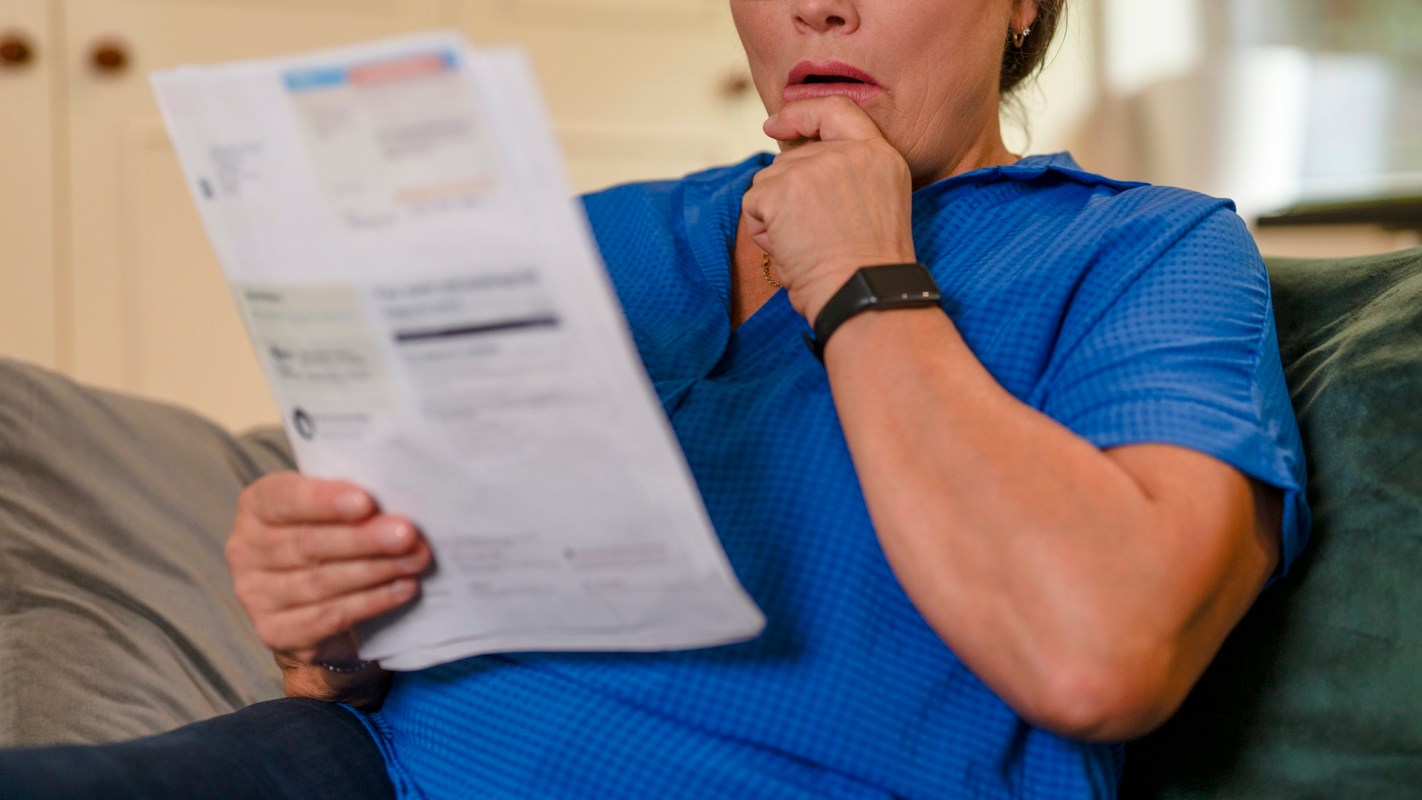
A single mother working at McDonald's to support her two children was shocked to find money being taken out of her paycheck.
Mariana Villegas first noticed an unexpected shortfall of about $300 in her paycheck. Because she had been caring for her sick daughter, she assumed she had simply worked fewer hours.
A second missing chunk of pay made clear that something else was going on.
That was when Mariana discovered a Kansas hospital had been taking part of her wages over medical debt, even though she was well below the income threshold to qualify for free care.
What happened?
A default judgment allowed Stormont Vail Health to take roughly a quarter of each of Villegas' biweekly paychecks after she missed court hearings she says she never knew about, the Kansas Reflector reported. Mariana, a 27-year-old single mother, said she was unaware the nonprofit hospital system had sued her for about $2,200 in medical debt plus interest.
Records cited by Kansas Reflector indicate that Villegas received non-elective treatment at a Stormont Vail emergency room in 2024. Her yearly income was about $14,500 at the time, placing her far below the hospital's free-care limit for patients earning less than 200% of the federal poverty level. For a family of three, the financial-assistance cutoff was under $79,950.
TCD Picks » Quince Spotlight
💡These best-sellers from Quince deliver affordable, sustainable luxury for all




Villegas' case reflects a much larger pattern: Stormont Vail filed more than 2,100 debt collection cases in Shawnee County that year, and well over three-fifths of them ended in default judgments.
Retired Judge Robert "Tuck" Duncan described the scale of the issue plainly: "This is really important. I have thousands of these cases. Thousands."
Why does it matter?
Villegas was working full-time at McDonald's when the hospital sued her. The garnishment ended up pulling money her household needed for basic survival.
National healthcare affordability advocate Mark Rukavina told Kansas Reflector that wage garnishment is "a pretty extreme act, especially for low-income people."
Villegas said the notices were mailed to her mother's house after she no longer lived there, and her attorneys argued that she was never properly served.
Duncan also questioned whether the service record showed enough diligence, saying, "It merely says, 'on this day, we tacked and mailed.'"
What's being done?
Villegas' case helped lead to a wider settlement. Kansas Legal Services represented her and 10 other patients who qualified for discounted or charity care but were still pursued over medical debt, securing nearly $162,000 in settlements and more than $7,000 in refunded garnishments across five Kansas counties.
Both Stormont Vail and the Shawnee County Sheriff's Office told Kansas Reflector they were reviewing their policies. Stormont Vail deputy general counsel and chief compliance officer Tim Shultz said, as quoted by Kansas Reflector, "Our goal is not to sue patients," while also saying the hospital does not expect to stop filing collection actions that "may include garnishments."
Although nonprofit hospitals are required to offer assistance programs, patients may still need to apply and keep their contact information updated to avoid devastating surprises.
"If I feel it, they feel it two times worse," Villegas said, speaking of the strain on her children.
Kansas Legal Services executive director Matt Keenan put the stakes plainly: "Isn't that who we need to fight for, people who are trying to get ahead?"

Get TCD's free newsletters for easy tips, smart advice, and a chance to earn $5,000 toward home upgrades. To see more stories like this one, change your Google preferences here.






