


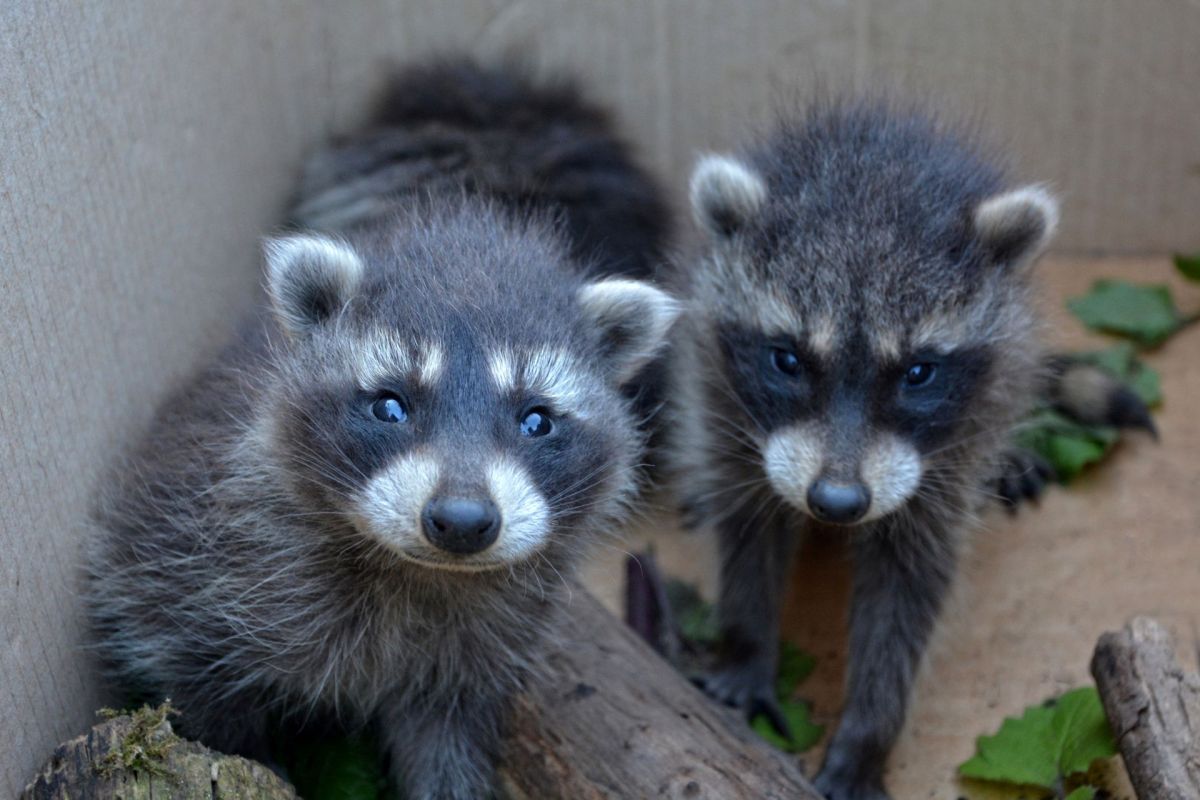
A small wildlife rescue in Iowa is working around the clock to keep up with an extraordinary wave of orphaned animals.
Here's what to know
Gayla Myers, founder of the Wapsi River Wildlife Rehabilitation Project in Anamosa, Iowa, and her volunteers are looking after far more young wildlife than they typically would at one time.
"We have 73 raccoons right now," Myers told the station. "Normally 45, 50. I thought last year was rough."
The raccoons are only part of the intake. As KCRG reported, the center also has four groundhogs, 11 possums, seven squirrels, and a skunk only a week old.
That means frequent feedings, constant cleaning, and close monitoring for a long list of animals that still cannot survive on their own.
Part of the reason for the influx of animals is that there are fewer raccoon rehabilitators left in Eastern Iowa. Myers told the station that some have stopped operating due to retirements and deaths.
TCD Picks » Quince Spotlight
💡These best-sellers from Quince deliver affordable, sustainable luxury for all




When nearby care options disappear, the remaining rescues can quickly become overwhelmed. This year's cohort shows both how fragile these animals are and how much pressure falls on the people caring for them.
More background
Wildlife rehabilitation often takes place out of public view, but it plays an important role when baby animals are displaced by human activity or lose their mothers.
In many cases, these animals require specialized formula, safe enclosures, and weeks or even months of care.
The financial strain is steep. KCRG reported that Myers is spending $250 on formula every four days because of the surge in baby raccoons, and she estimated that caring for one raccoon can cost about $500 before release.
"We are not funded, we don't get paid by anybody," Myers said to the station. "It's donations and our money."
Even a dedicated, volunteer-run center can be pushed to its limits when dozens of young animals arrive at once, especially without outside funding. When orphaned "nuisance wildlife" have somewhere to go, people are less likely to handle them improperly.
What can be done?
Myers said people can help protect young animals by checking campers, boats, and burn piles before moving, using, or lighting them, per KCRG.
She also told the station that cutting down trees can disrupt nests and lead to more animals needing rehabilitation. Homeowners and landowners can help by taking a closer look before felling trees.
For people who do find orphaned wildlife, the safest option is usually to contact a wildlife rehabilitator rather than trying to raise the animals themselves. For fawns, the better move is to let them sleep in peace.
Wild babies have specific feeding and habitat needs, and improper care can worsen their chances of survival. Rescues like Myers' operation depend on donations and volunteer labor, but they have a major payoff.
"It is very rewarding to see them come in as tiny little things to grow up, become independent," Myers told KCRG. "Then we take them out and release them, let them run in the trees and go fishing."

Get TCD's free newsletters for easy tips, smart advice, and a chance to earn $5,000 toward home upgrades. To see more stories like this one, change your Google preferences here.







