


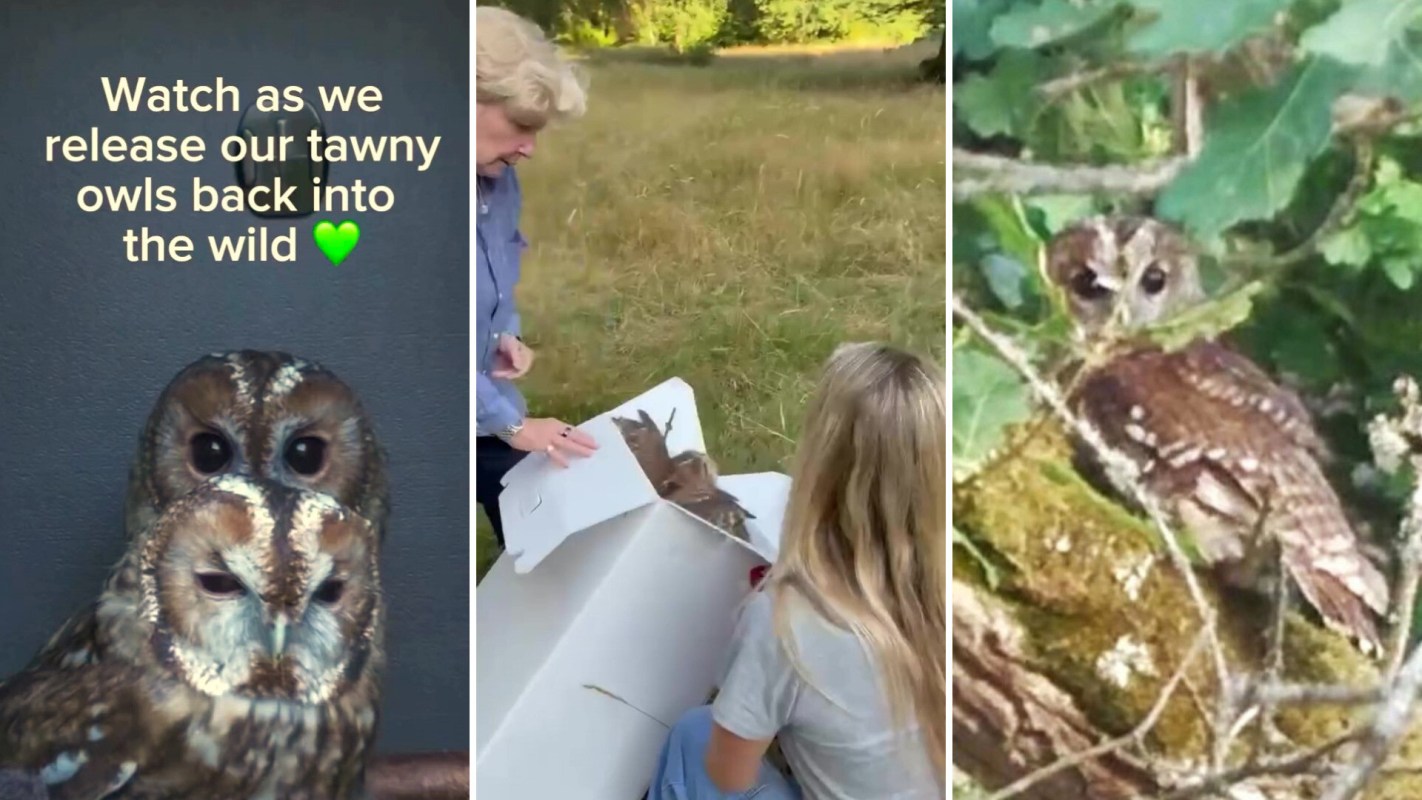
The Wildlife Aid Foundation celebrated a momentous occasion earlier this week when they released a number of orphaned owlets back into the wild after months of care.
"We are so proud of how far they've come," the organization wrote on Instagram. "From tiny little lint balls with beaks, to beautiful, beady-eyed owls, we couldn't be happier with their recovery journey."
What happened?
In honor of Owl Awareness Day on August 4, the Wildlife Aid Foundation reflected on the past year when they received a "record-breaking number" of orphaned, weak owlets at their hospital.
"Without the help from our dedicated team, they just simply wouldn't have survived alone," the group said.
Wildlife hospitals face major seasonal surges in young owls during the spring and summer seasons because many owlets tend to fall out of their nests before they can fly, according to Pacific Wildlife Care. This is called "branching."
Sometimes, very nice humans will come across them on the ground and think they're rescuing them by taking them to a hospital rather than leaving them near their nest.
TCD Picks » Quince Spotlight
💡These best-sellers from Quince deliver affordable, sustainable luxury for all




Why does it matter?
Young owls are especially vulnerable when they are separated from a parent too early. Like humans, they often cling to their mothers and sometimes cope with separation anxiety, Animal Wellness Action reported.
Without their parents, owlets will likely fail to learn how to hunt properly and become incapable of learning how to properly interact with other owls — especially if they're in human captivity. Being fed by humans can cause them health problems from bone deformation to malnutrition.
Wildlife care centers like the Wildlife Aid Foundation make sure to nurture and take care of the owl in a way so that they don't become too reliant on humans and feel comfortable with other owls and wildlife.
What's being done?
Wildlife Aid Foundation's post shows the work that happens between rescue and release. It is not just about bringing an animal out of danger; it is about sustained feeding, monitoring, housing, and species-specific care until that animal can survive on its own.
With owlets, that journey takes time. Months of care, resources, and skilled handling are needed before a bird can live independently in the wild, even if the release footage shows only the last step.
For people who encounter an owl or another wild bird in distress, the most practical step is to contact a licensed wildlife rehabilitator or local rescue organization for guidance. Keeping pets away, reducing noise and disturbance, and avoiding unnecessary handling can also help while professionals assess the situation.

Get TCD's free newsletters for easy tips, smart advice, and a chance to earn $5,000 toward home upgrades. To see more stories like this one, change your Google preferences here.







