


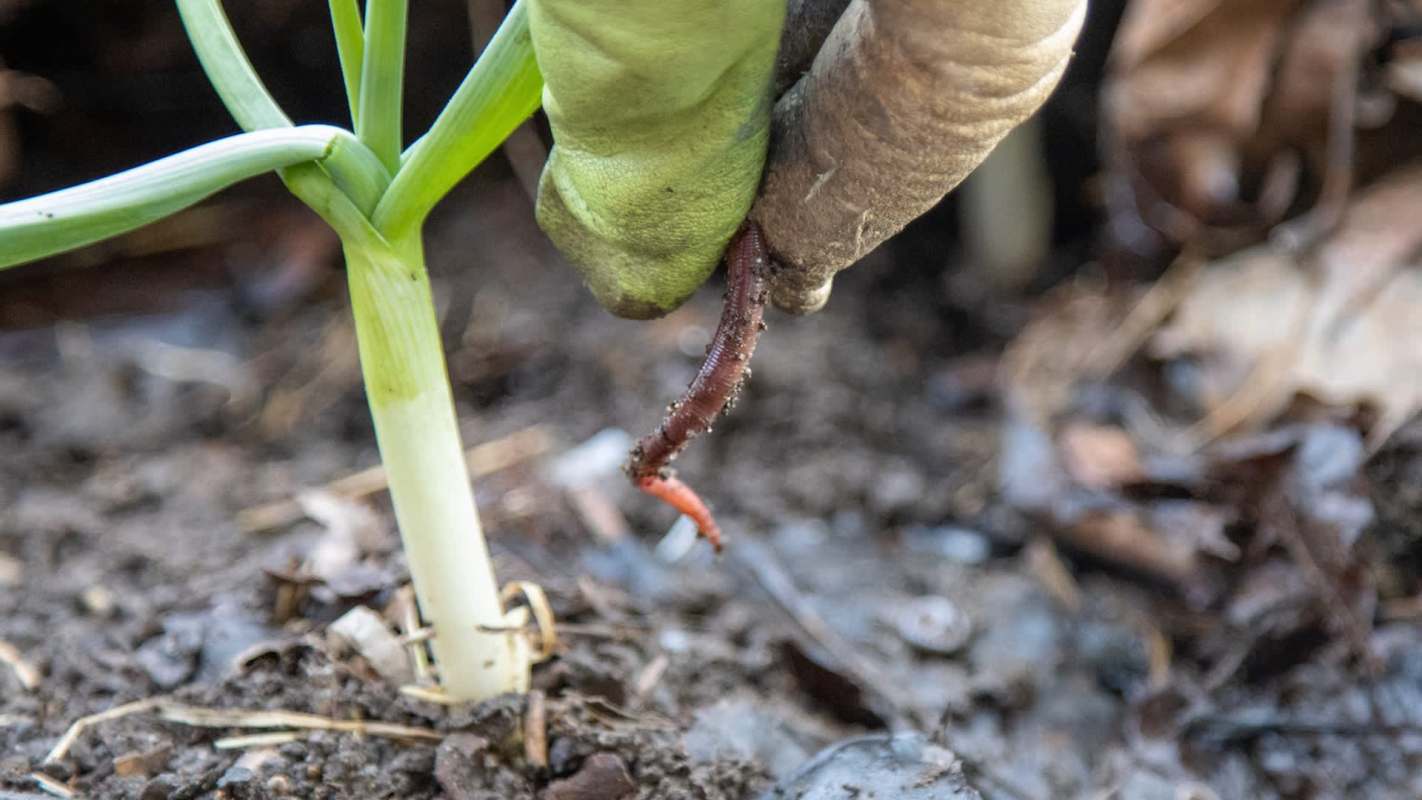
Worms often get a good reputation in the garden, but an invasive species spreading in New Hampshire is an exception. Known as jumping worms, they can remove the healthy surface layer of soil that supports many plants.
What's happening?
Emma Erler, host of Homegrown NH and lead horticulturalist at Kirkwood Gardens, wants residents to pay closer attention to the worms in their yards, warning that some are harmful rather than helpful.
According to NHPR, jumping worms are established throughout New Hampshire, where they can harm compost piles, garden beds, and broader ecosystems.
Amynthas agrestis, also called a crazy worm or snake worm, likely arrived from Asia more than 100 years ago. It moves very differently from a typical nightcrawler, with a dramatic "snakelike, slithering" motion.
Erler said, "If you're in your garden and get startled by a worm, it's probably a jumping worm."
Another clue is the clitellum, or band around the worm's body. NHPR noted that jumping worms have a pale grayish-white band, rather than the reddish-brown band common on many European earthworms.
TCD Picks » Quince Spotlight
💡These best-sellers from Quince deliver affordable, sustainable luxury for all




Why does it matter?
By rapidly eating mulch, leaf litter, and other organic material, jumping worms strip away a layer that both protects soil from erosion and supports fungal networks like mycelium.
Erler explained, "You can see the effect on the soil or the compost, so the soil becomes very loose and crumbly, which makes it difficult for plants that have very fine roots to sometimes survive."
That can create problems for home gardeners trying to establish flowers, vegetables, or other landscaping, particularly shallow-rooted plants. Mulch may vanish quickly, and seedlings may not get established.
NHPR also reported that these worms can hinder seed-based establishment of trees and wildflowers and degrade habitat used by native insects and birds.
What can I do?
Erler said residents should generally focus on managing the worms rather than eliminating them entirely.
"You're going to be looking to limit the numbers more than actually eradicate these worms," she said. "Jumping worms are very difficult to eradicate once established."
A first step is checking plants before bringing them home, including looking for worms and for soil with a coffee-ground texture. For bulk purchases of mulch, soil, or compost, Erler advises asking whether the material was heated to 130 degrees Fahrenheit at its center for at least three days, a process that can kill both worms and cocoons.
When numbers are still low, hand-removing adult worms can make a difference. Erler said she often pulls them out while weeding and disposes of them in a plastic bag.

Get TCD's free newsletters for easy tips, smart advice, and a chance to earn $5,000 toward home upgrades. To see more stories like this one, change your Google preferences here.






