


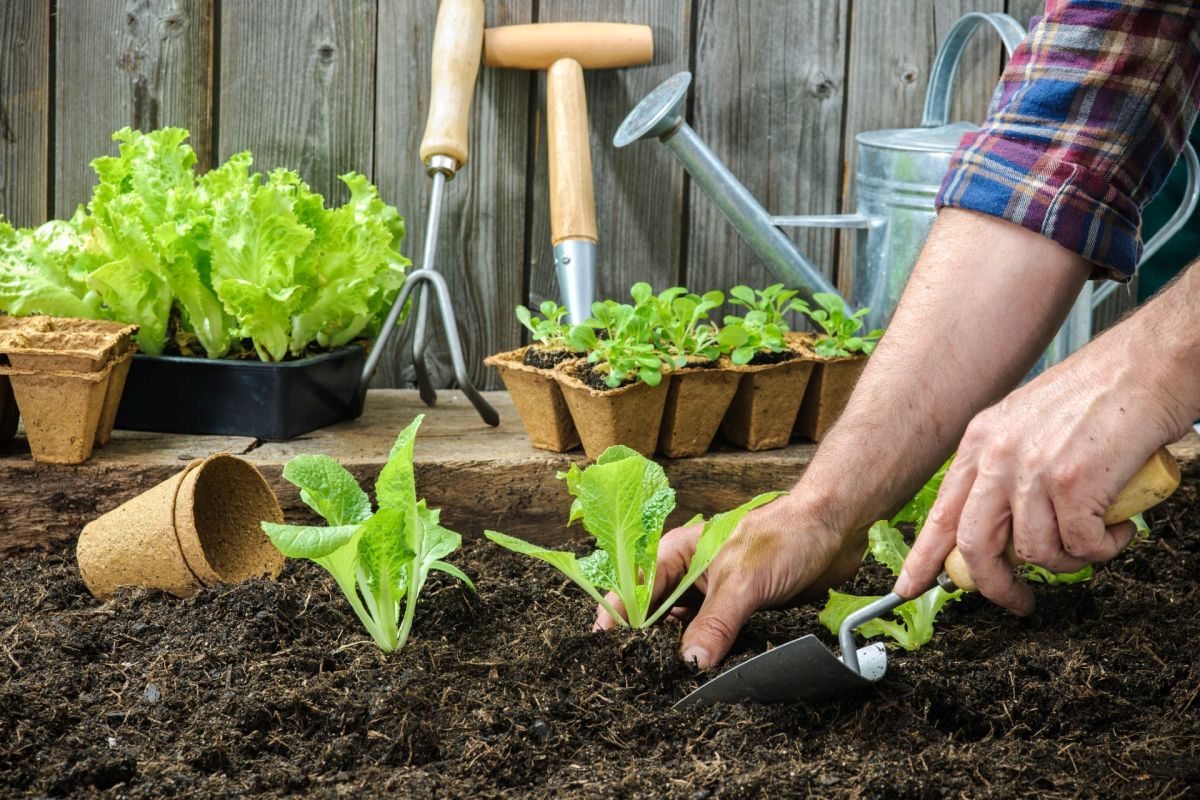
August can feel like the moment when a summer garden begins losing steam, but experts say it is actually an ideal time to get ready for a strong fall harvest, according to USA TODAY.
For beginners especially, putting that work off can close the window on cool-season vegetables, many of which are simpler to grow and can develop even better flavor as the weather cools.
What's happening?
The outlet described August as a key planting window for fall crops.
Courtney Mims, a North Carolina gardener and digital content creator, encouraged home growers to use late summer to start planning instead of assuming the season is ending.
"For many gardeners, August is when planning for a fall garden begins," Mims said.
Her list of ideal crops included carrots, beets, radishes, and turnips; lettuce, spinach, and arugula; broccoli, cabbage, cauliflower, kale, collard greens, and bok choy; along with garlic, onions, sugar snap peas, and herbs.
TCD Picks » Quince Spotlight
💡These best-sellers from Quince deliver affordable, sustainable luxury for all




"August is all about helping your garden transition from surviving the summer heat to thriving in the fall," Scarlett Williams, White Pecan Farmhouse's creator and the author of "Backyard Chickens: Simple Steps to Raise Chickens, Collect Fresh Eggs, & Create a Slower, More Beautiful Life at Home," said.
William said that "one of the biggest mistakes beginners make is waiting too long to plant," and noted that delays are especially risky when gardeners ignore first frost dates, let seeds dry out during germination, or fail to replenish beds after summer crops are cleared.
Why does it matter?
For households looking to cut grocery bills, a fall garden can offer a practical way to grow lettuce, spinach, kale, carrots, herbs, and other staples at home instead of buying them weekly at the store.
Homegrown produce also tastes fresher, since it is harvested closer to mealtime rather than shipped and stored on shelves first.
Gardening can also support both physical and mental well-being.
Digging, watering, weeding, and harvesting add gentle movement to a daily routine, while time spent outdoors can help reduce stress and strengthen people's connection to the food they eat.
That sense of connection has felt more important to many consumers as concerns about produce safety and supply continue to shape shopping choices and dominate the news cycle.
Williams noted that home gardening is not a perfect shield from foodborne illness, but it can help families feel more self-sufficient and more intentional about fresh food.
Growing food at home can also reduce packaging waste and cut transportation emissions associated with store-bought produce.
What can I do?
Experts suggest focusing on reliable cool-weather crops.
Mims recommended beginner-friendly options such as Dinosaur kale, broccolini, Napa cabbage, and carrots. Leafy greens, root vegetables, herbs, and brassicas are all strong choices for August planting.
Mims advised beginners to "choose a location that gets at least 6-8 hours of sunlight each day and refresh garden beds with compost or organic matter after removing spent summer crops."
Another part of Mims' advice is to keep newly planted seeds evenly moist until they sprout.
Knowing your area's first frost date can help you work backward so planting happens at the right time. Gardeners who start too late may not give crops enough time to mature before colder weather sets in.
For more beginner tips on starting a backyard harvest, check out The Cool Down's resource for growing your own food.
"The biggest mistake I see beginners make is assuming gardening ends when summer does, when in reality some of the easiest crops grow during the cooler months," Williams said.
"Many of these crops can be harvested throughout the fall and in many climates, into winter," Mims noted.

Get TCD's free newsletters for easy tips, smart advice, and a chance to earn $5,000 toward home upgrades. To see more stories like this one, change your Google preferences here.






