


In late summer, garden beds can look tired. With tomato plants losing steam and zucchini no longer producing much, the season may seem close to over, but one garden expert on YouTube is sharing that August is the perfect time to set up your plots for a money-saving and fruitful fall season.
What's happening?
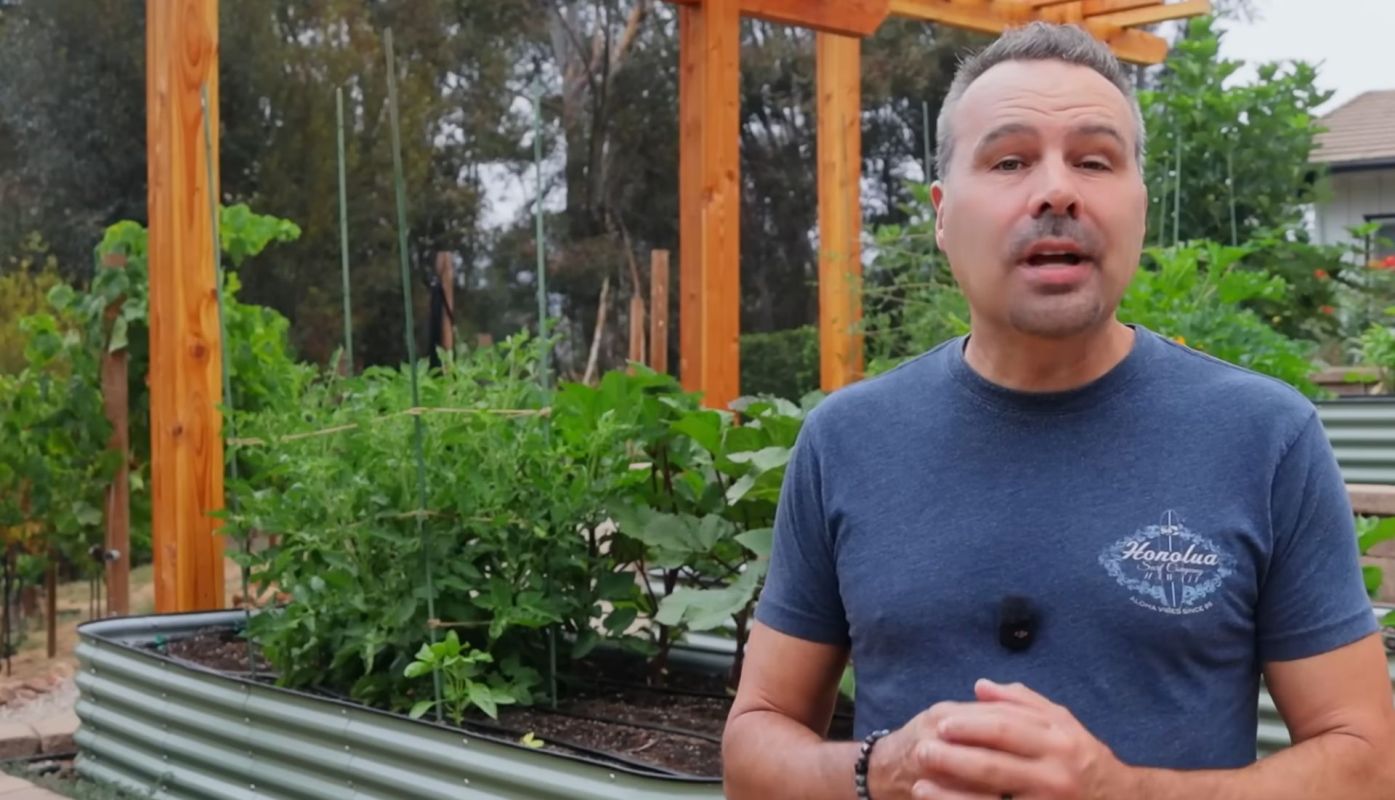
In a new video, Brian Lowell of Next Level Gardening (@NextLevelGardening) says gardeners should base August planting decisions on their average first frost date instead of the calendar.
Lowell describes the month as "one of the most important planting months of the entire year," explaining that the timing of the first frost can help gardeners decide whether there is still time to grow quick warm-season crops, shift to cool-season vegetables, or wait until extreme heat passes before planting.
Gardeners who still have about 60 days or more before frost can often fit in another round of summer crops. Brian recommends quick-to-mature options such as bush beans, cucumbers, summer squash, zucchini, and basil, especially in varieties that can finish before cooler temperatures arrive.
When frost is closer, Lowell recommends shifting attention to crops that generally prefer fall conditions. His list includes plants like broccoli, cabbage, lettuce, carrots, beets, peas, baby bok choy, and turnips.
Why does it matter?
A fall garden can make home food production more efficient and more rewarding. Lowell noted that cooler conditions can make crops like broccoli, kale, carrots, and turnips taste sweeter, which can lead to better salads, stir-fries, soups, and side dishes harvested straight from the yard or patio.
TCD Picks » Quince Spotlight
💡These best-sellers from Quince deliver affordable, sustainable luxury for all




There are money-saving advantages, too. Planting again in August lets gardeners keep using the same raised bed, container, or in-ground plot instead of leaving it empty, which can help stretch grocery budgets for pricier produce like herbs and brassicas.
What can I do?
If you're wondering what to plant next in your garden, start by looking up your average first frost date, since that timing will shape your decision. Once you know it, you can decide whether there is still enough season left for another warm-weather crop, whether quick growers should be direct-sown, or whether cool-season transplants are the better choice for a longer fall harvest.
Lowell also recommends cleaning up worn-out beds before replanting by pulling old plants and weeds, then adding compost or organic fertilizer and monitoring moisture closely while seeds germinate and transplants get established.
As Lowell put it, "nature doesn't follow the calendar." In that sense, August does not have to mark the end of the garden — it can be the month when a tired summer plot shifts into a sweeter, more productive fall season.

Get TCD's free newsletters for easy tips, smart advice, and a chance to earn $5,000 toward home upgrades. To see more stories like this one, change your Google preferences here.






