


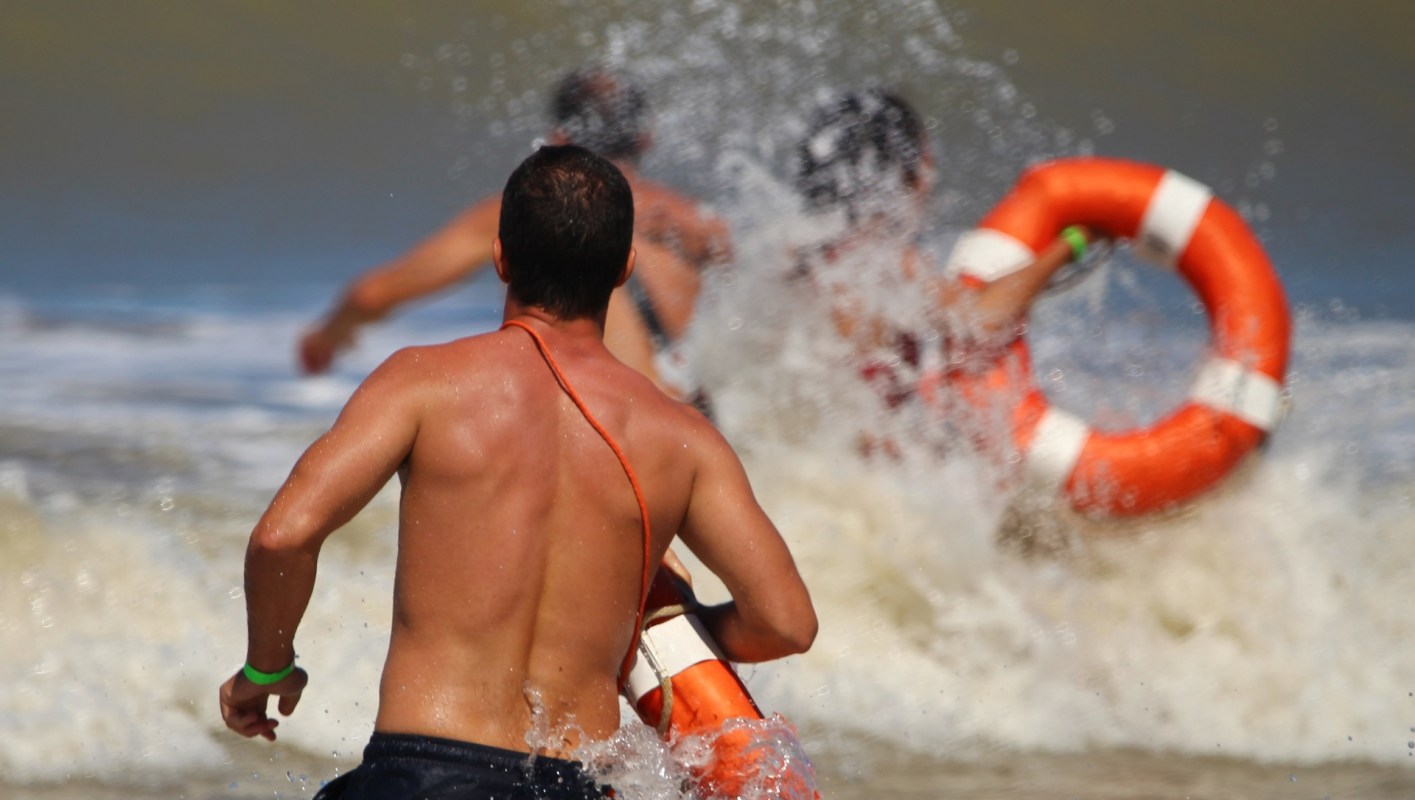
What may have looked like a simple way to cool down during California's punishing heat instead became dangerous along the Los Angeles County coast, where crowded beaches, high surf, and strong rip currents put thousands of swimmers at risk.
According to AFP, as reported by TAG24, lifeguards made a record 1,950 ocean rescues.
What happened?
Hot, humid weather has been pushing huge crowds toward California beaches in search of relief.
Since the start of July, the state has been hit by repeated heat waves, with temperatures ranging from 86 to 95 degrees Fahrenheit and rising even higher inland.
Meanwhile, TAG24 reported that swells from Hurricanes Elida, Fausto, and Genevieve off Mexico have been reaching the coast. At some beaches, waves have climbed to six feet, creating ideal surf for surfers but risky conditions for less experienced swimmers.
Lifeguard captain Pono Barnes said the number of rescues was far above what lifeguard crews would normally expect.
TCD Picks » Quince Spotlight
💡These best-sellers from Quince deliver affordable, sustainable luxury for all




"To kind of put that in perspective, a busy summer weekend is usually in the 300 rescue range, 500 on the high end," Barnes told AFP on Manhattan Beach.
Together, the extreme heat, the unusual humidity tied to a months-long marine heat wave in the Pacific, and the powerful currents have created especially hazardous conditions for anyone entering the water unprepared.
Why does it matter?
Worsening extreme weather disasters can endanger lives and livelihoods in several ways at once. Heat waves raise the risk of dehydration, heat exhaustion, and other medical emergencies, while rough surf places added strain on lifeguards and emergency responders.
At the same time, wildfire threats can disrupt communities, damage homes and businesses, and expose residents to unhealthy smoke, creating economic and health burdens that can linger even after temperatures begin to fall.
Beach risks can rise when several factors overlap: a marine heat wave that makes coastal weather more humid, hotter inland conditions that send more people to the shore, and storm-driven swells from far away that make the water much more dangerous than it appears from the sand.
The spike in rescues also puts more pressure on public safety systems during periods of extreme weather, especially in places where residents and tourists gather in large numbers.
What's being done?
Rescue operations are continuing along the coast. Gov. Gavin Newsom said that firefighters were stationed across several central and southern California counties because of concerns that hot conditions could spark more wildfires.
The ocean can become an active hazard during heat events, not simply a place to cool off.
Swimming near staffed lifeguard towers, paying attention to warnings, and avoiding rough surf if conditions appear beyond your skill level can reduce the risk of getting caught in a rip current.
Families with children and weaker swimmers should be especially cautious when waves are elevated. If you do get pulled by a rip current, the most important thing is to stay calm, conserve energy, and work your way parallel to shore instead of fighting it directly.
Extreme heat can make quick, impulsive decisions feel more urgent. Planning ahead — whether that means seeking shade, staying hydrated, checking beach conditions, or choosing safer ways to cool down — can help keep a dangerous outing from becoming an emergency.

Get TCD's free newsletters for easy tips, smart advice, and a chance to earn $5,000 toward home upgrades. To see more stories like this one, change your Google preferences here.







