


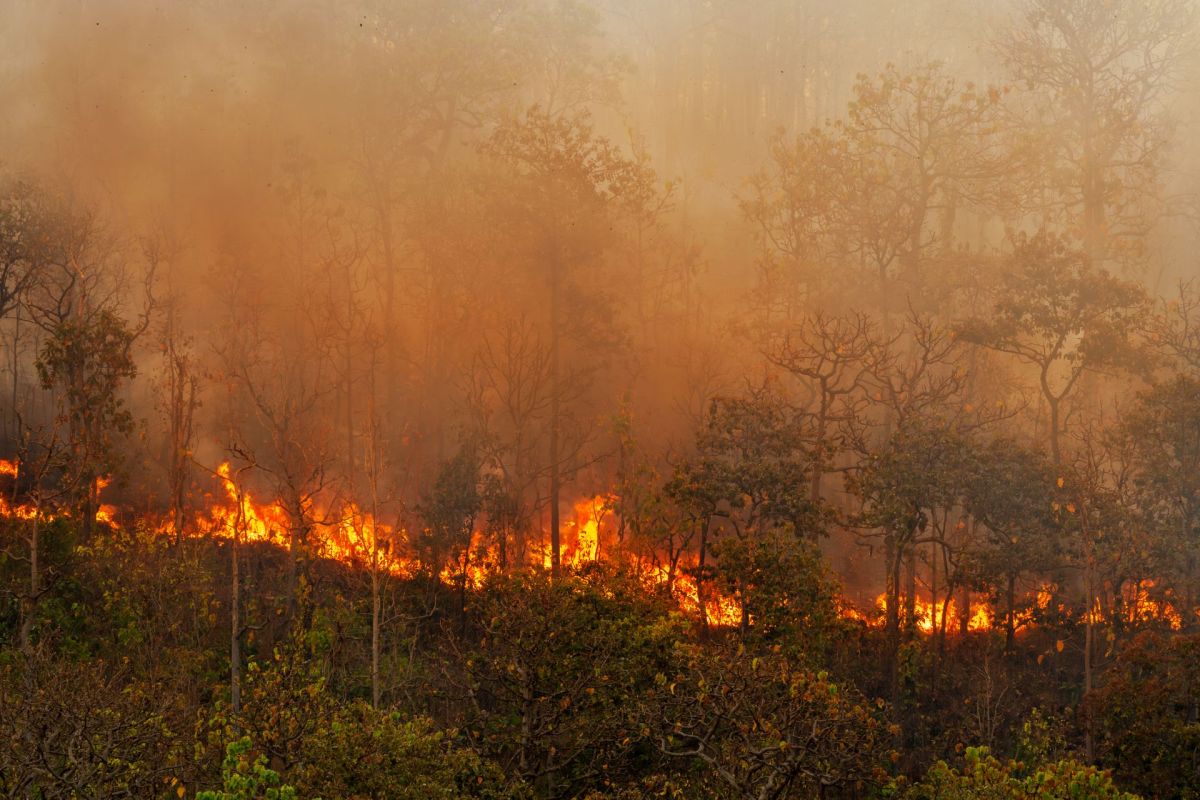
Wildfire season has ramped up quickly in 2026, and the danger is not confined to communities near the flames: Smoke can pose major health risks to people who live even far from the flames.
Across the U.S., wildfire smoke is increasingly being treated as a broad public health issue, with experts cautioning that distance from a fire does not necessarily mean safe air.
What's happening?
According to Heatmap, with roughly 17% of the country in extreme drought, fires are expected to spread more easily this year, sending more smoke into the air in the months ahead.
The fire season has already started out strong. By early June, about 2.4 million acres had already burned in the U.S., around double the 10-year average for this point in the season.
One of the clearest signs of the threat is the human toll from smoke exposure. One UCLA study found that long-term exposure to wildfire smoke causes over 24,000 deaths in the U.S. each year.
Forecasting where smoke will travel remains notoriously difficult. Shifts in wind, moisture, ignition timing, and the type of material burning can all quickly change conditions.
TCD Picks » Quince Spotlight
💡These best-sellers from Quince deliver affordable, sustainable luxury for all




Why does it matter?
Wildfires and their smoke are not just a Western concern anymore. The West is still expected to face the greatest smoke risk this year, especially in the Northwest, where dry conditions and low snowpack are raising fears of a severe season.
But the Midwest, South, and East can also be affected as smoke drifts in from fires located hundreds or even thousands of miles away. Even communities with no nearby fires can see air quality worsen quickly, particularly when smoke combines with urban pollution.
This wildfire smoke can aggravate asthma, put added stress on the heart and lungs, and make daily activities more dangerous for children, older adults, pregnant people, and anyone living with respiratory or cardiovascular conditions.
Will Barrett of the American Lung Association told Heatmap: "No part of the country is immune from the impacts of climate change and the threat of increased pollution."
What can I do?
Experts say being prepared is often more useful than trying to predict exactly where smoke will go. Regularly checking local air-quality readings is one practical step, since unhealthy conditions can develop even when there are no nearby fires.
Monitoring the national fire and smoke map can also help people detect changes in conditions sooner. Another simple precaution is to keep N95 masks readily available. People with asthma or other respiratory conditions may also want to have extra inhalers on hand.
Other small adjustments can reduce risk on smoky days, including postponing outdoor exercise, keeping windows closed, and using air filtration when possible.

Get TCD's free newsletters for easy tips, smart advice, and a chance to earn $5,000 toward home upgrades. To see more stories like this one, change your Google preferences here.






