


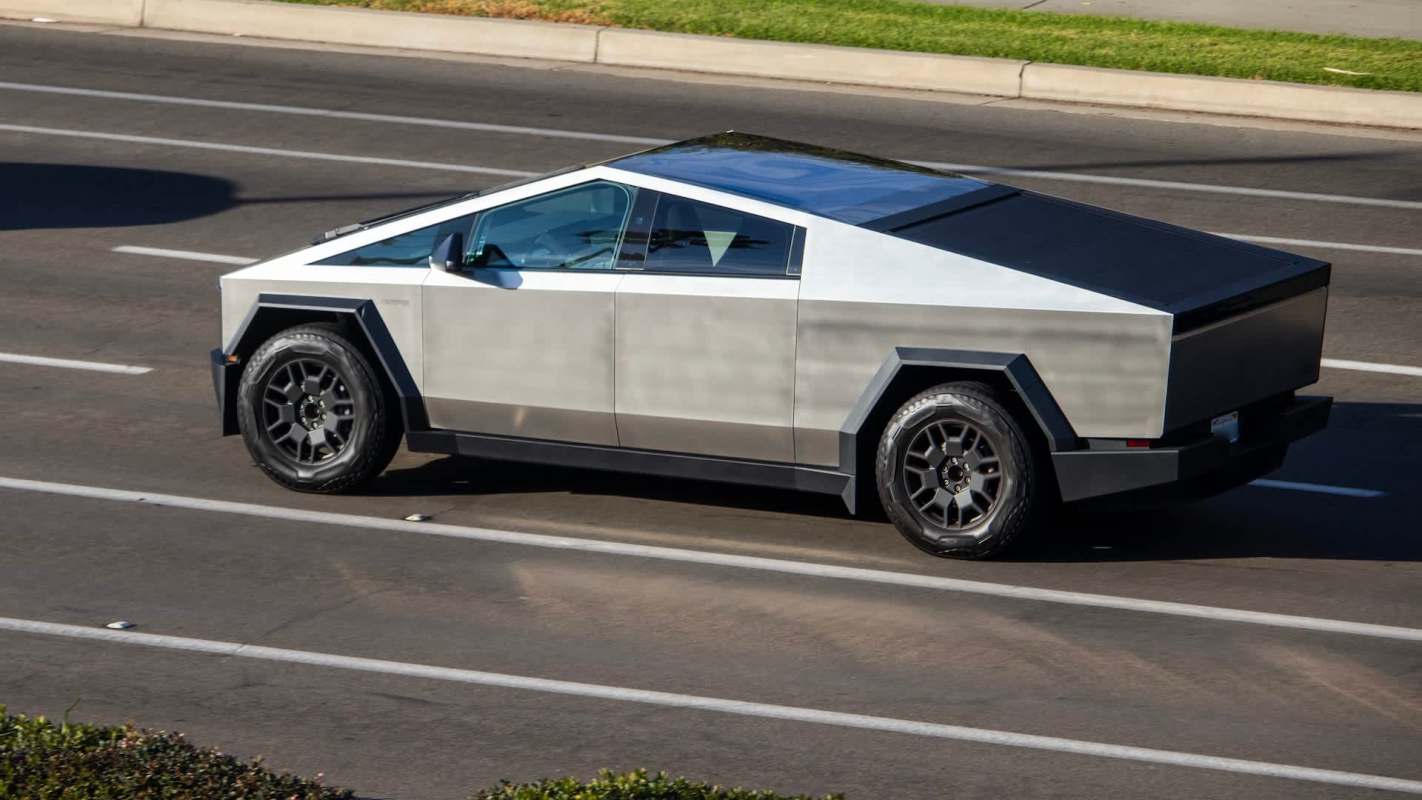
Tesla's Cybertruck was introduced as a pickup unlike anything else on the road.
But with sales continuing to trail the lofty forecasts that surrounded its debut, analysts and historians now see it as a modern parallel to one of the biggest misfires in American car history, as Bloomberg detailed.
What happened?
The main issue is that the truck's performance has fallen far short of what Tesla CEO Elon Musk said it could reach. Actual Cybertruck sales remain well below the hundreds of thousands of units per year that were once envisioned.
In looking for a historical comparison, Bloomberg pointed to Ford's Edsel. The car launched in 1957 with enormous publicity, yet it was gone in less than two years, and its first-year sales totaled under a third of Ford's 200,000 goal.
Tesla's gap is even wider. The company set a target of 250,000 Cybertrucks a year, but the model sold fewer than 40,000 units in its first year. Bloomberg also cited S&P Global Mobility data that showed only about 7,100 had been registered in the United States in 2026.
Design is part of the reason the Edsel comparison keeps coming up. Don Sherman, a journalist and auto historian, told Bloomberg that the vehicle's looks were a major factor in its failure.
TCD Picks » Quince Spotlight
💡These best-sellers from Quince deliver affordable, sustainable luxury for all




"For most people it was just downright ugly," he said. That mirrors many people's visceral reaction to the Cybertruck.
Why does it matter?
A poor-selling vehicle raises concerns. Customers may question resale value, future access to replacement parts, repair support, and whether the model could be phased out or receive less attention from the manufacturer.
Bloomberg noted the Cybertruck has had myriad other issues. Those include numerous recalls that degrade faith in the product. There are also lawsuits around the doors not opening in the aftermath of crashes.
Those problems carry added weight in the EV market, as many consumers are still deciding whether to move on from gas vehicles.
Electric vehicles can help drivers cut fuel and maintenance costs while also reducing tailpipe pollution, but a high-profile disappointment can make shoppers hesitant about new or unconventional options.
What's being done?
Garrett Nelson, an equity analyst at CFRA Research, told Bloomberg that the Cybertruck is more likely to slowly fade from prominence than to be formally discontinued.
Nelson added Tesla could try to revive interest by doing more than just selling the vehicle to itself. That could include a redesign or variant to attract buyers, particularly if the company wants to protect its investment.
The car's legacy might be the reaction it drew on the road, according to Edmunds' head of insights, Jessica Caldwell.
"It essentially serves as a rolling billboard for divided public sentiment, creating just as much brand friction in the market as it does attention," she said.

Get TCD's free newsletters for easy tips, smart advice, and a chance to earn $5,000 toward home upgrades. To see more stories like this one, change your Google preferences here.






