


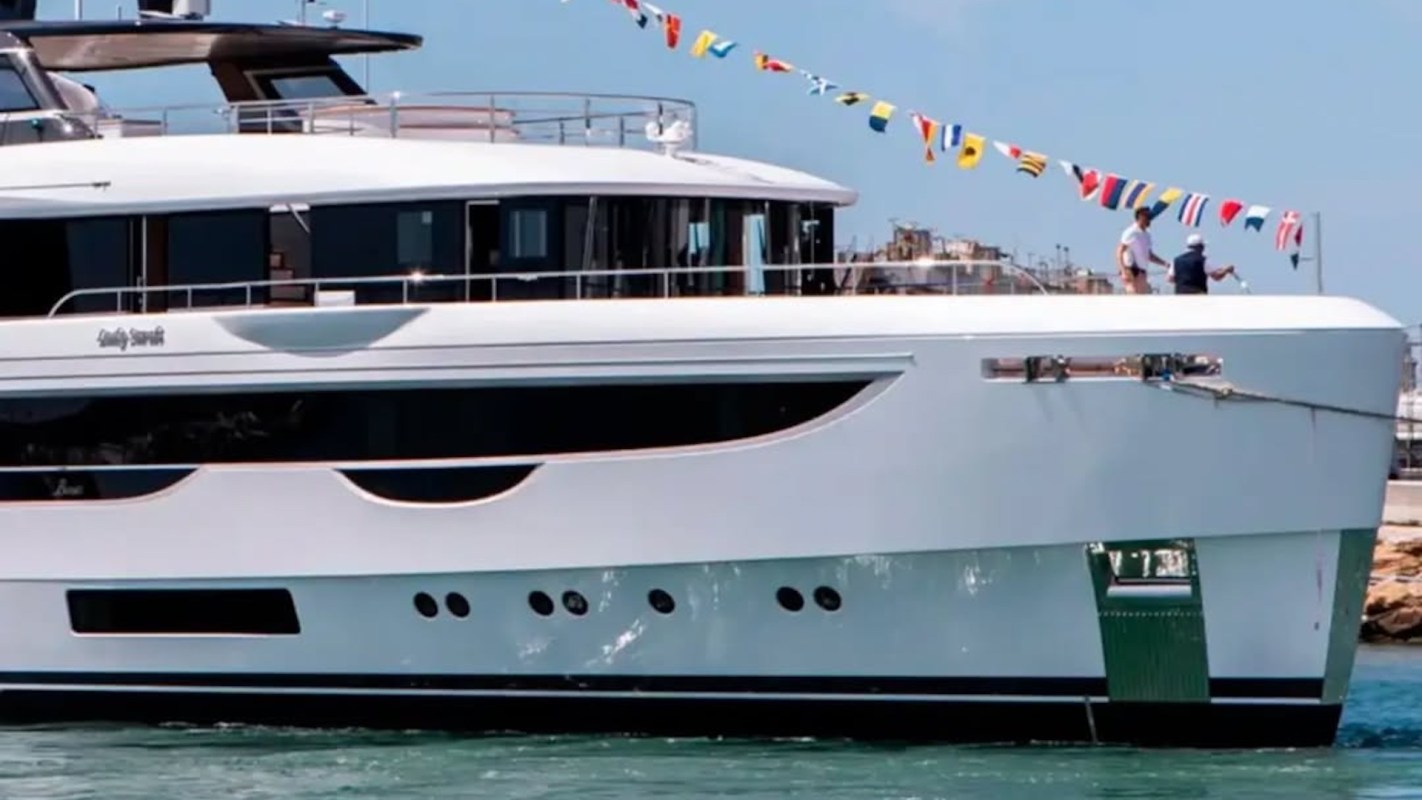
A new 134-foot superyacht, Lady Sarah, is headed for the Mediterranean after its owner transitioned from years of charter holidays to full-time yacht ownership.
As YachtCharterFleet reported, the delivery of Lady Sarah is being framed as a luxury milestone, but it also showcases the vast resources tied up in elite leisure travel.
What happened?
Benetti has handed over Lady Sarah, an Oasis 40M whose standard platform was heavily reworked after the owner reviewed several yachts at the 2024 Cannes Yachting Festival and selected the Italian builder, per the outlet.
Fraser's project management division then helped shape the vessel into a more personalized family yacht, informed by preferences the owner had developed during years of Mediterranean charters.
YachtCharterFleet said Benetti was responsible for the naval architecture, Bonetti/Kozerski Architecture designed the interiors, and designer Leonardo Santi directed the finishes and furnishings.
Lady Sarah has room for 10 guests across five cabins and operates with a crew of nine. Its amenities include a sundeck jacuzzi, bar, bathing platform, multiple alfresco dining areas, Wi-Fi, air conditioning, and stabilizers designed to make cruising smoother.
TCD Picks » Quince Spotlight
💡These best-sellers from Quince deliver affordable, sustainable luxury for all




Powered by twin MAN engines, the yacht cruises at 12 knots and has a range of about 4,000 nautical miles. It is set to spend its first season in private use across the Mediterranean and Red Sea, with charter operations planned for summer 2027, YachtCharterFleet reported.
Why does it matter?
Large private yachts require enormous amounts of fuel and materials, and they can contribute to air pollution, water contamination, and underwater noise in sensitive coastal ecosystems.
That carries consequences for local residents, workers, and visitors who rely on healthy beaches, fisheries, and public waterfronts for jobs and overall quality of life.
There is also an undeniable social tension when these superyachts end up docking in public. While some travelers cruise aboard floating mansions with marble finishes and bronze detailing, many Mediterranean communities are contending with rising costs, extreme heat, and mounting infrastructure pressure during peak tourism season.
What's being done?
The marine industry is starting to face growing pressure to reduce its environmental impact. Across boating and shipping, designers and manufacturers are exploring lower-pollution propulsion, improved wastewater systems, quieter onboard technology, and efficiency upgrades that could lessen harm to coastal waters.
Choosing lower-impact vacations, supporting operators with stronger environmental standards, and favoring destinations that actively protect marine habitats can help shift demand toward more responsible tourism. Those changes remain uneven, but they point to alternatives to business-as-usual luxury.

Get TCD's free newsletters for easy tips, smart advice, and a chance to earn $5,000 toward home upgrades. To see more stories like this one, change your Google preferences here.






