


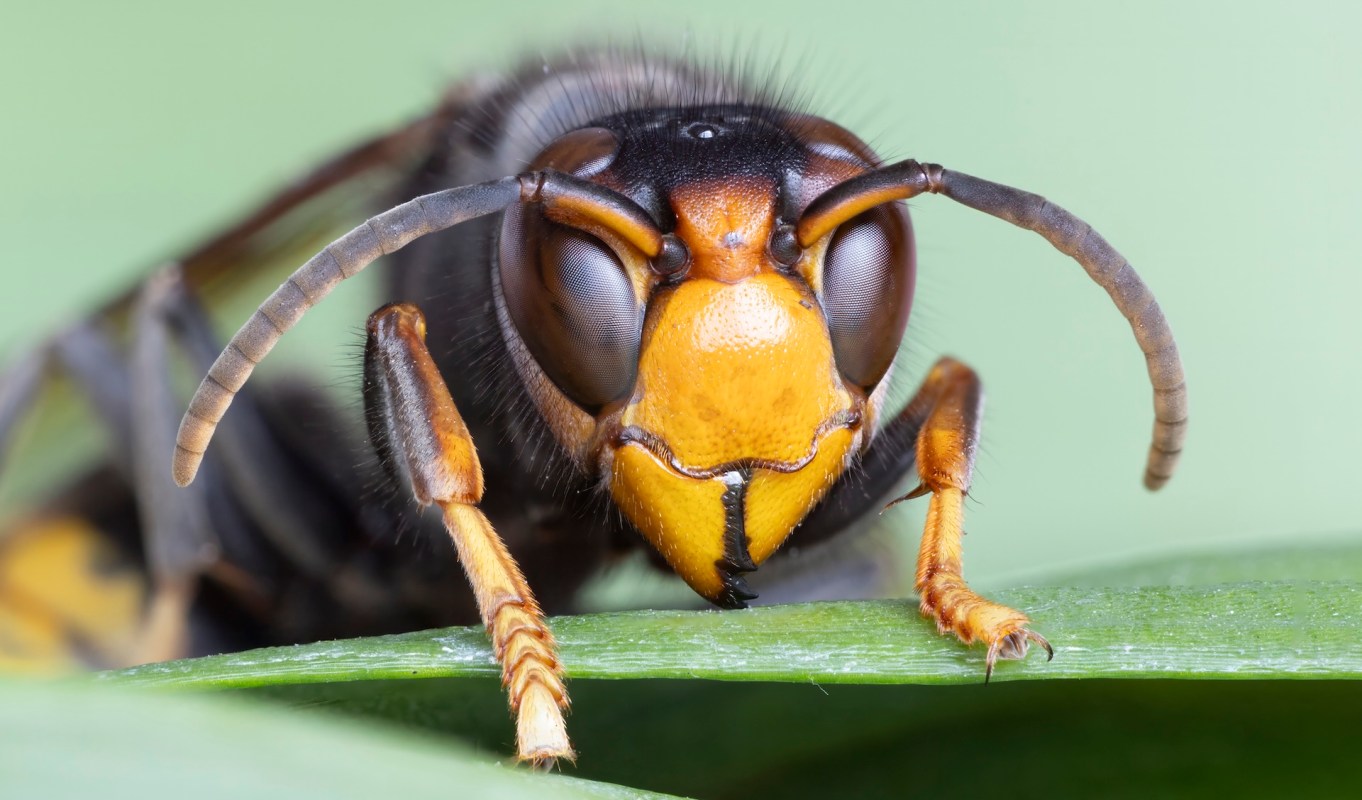
A destructive invasive hornet is quietly gaining ground in the Southeast, and scientists are working to keep it from becoming a much larger problem for bees, farmers, and all who depend on a stable food supply.
The yellow-legged hornet has already established itself in parts of Georgia and South Carolina, according to Methodshop, intensifying concerns that it could spread farther across the United States if it is not contained.
What's happening?
Known scientifically as Vespa velutina, the yellow-legged hornet hunts honeybees by hovering near hives and catching workers as they return from foraging.
Instead of the more dramatic group attacks associated with the Asian giant hornet, it wears colonies down gradually.
A single hornet can kill many bees in a day, and a nest can steadily shrink a hive until the remaining bees struggle to defend it and keep it functioning well.
Federal agriculture officials consider the species an invasive threat to honeybees and other pollinators. It has been confirmed in Georgia and South Carolina, and quarantine zones have been set up to help reduce the chance of it moving into nearby states, including Florida.
TCD Picks » Quince Spotlight
💡These best-sellers from Quince deliver affordable, sustainable luxury for all




Spotting it can be challenging because it resembles some native species.
That introduces the possibility that the hornet is present in a wider area than current reports show.
Why does it matter?
The arrival of this predator comes as honeybees are already coping with varroa mites, disease, pesticide exposure, habitat loss, and colony collapse-related stress.
In other words, it adds another pressure to pollinators that are already having a hard time.
Bees pollinate crops worth billions of dollars in the United States, including many fruits, vegetables, and nuts people regularly buy.
When pollinator populations drop, farmers see lower yields, local food systems face added strain, and shoppers eventually feel the impact through higher prices and reduced availability.
There is also a broader environmental cost.
Healthy pollinator populations support wild plants, backyard gardens, and ecosystems that many communities rely on for food, recreation, and resilience.
An invasive predator like this can make agriculture and conservation efforts harder and more expensive.
What's being done?
State and federal agencies are using a mix of methods to monitor the hornet and limit its spread.
Their work includes scent-based traps, DNA analysis, and public reports to determine where the insects are showing up and whether new populations are becoming established.
Quarantine zones in affected areas are designed to make it less likely that the species will be transported in goods, equipment, or other materials.
Researchers are also trying to define its current range more accurately, an important step in stopping additional nests from taking hold.
If you think you have seen one, report the sighting to your state's department of agriculture. A photo, location, and safe observation can help experts confirm sightings more quickly.
Beekeepers and gardeners may also want to stay alert for unusual hornet activity near hives or flowering areas.
The sooner officials can detect new populations, the better the odds of protecting pollinators before the problem spreads further.

Get TCD's free newsletters for easy tips, smart advice, and a chance to earn $5,000 toward home upgrades. To see more stories like this one, change your Google preferences here.






