


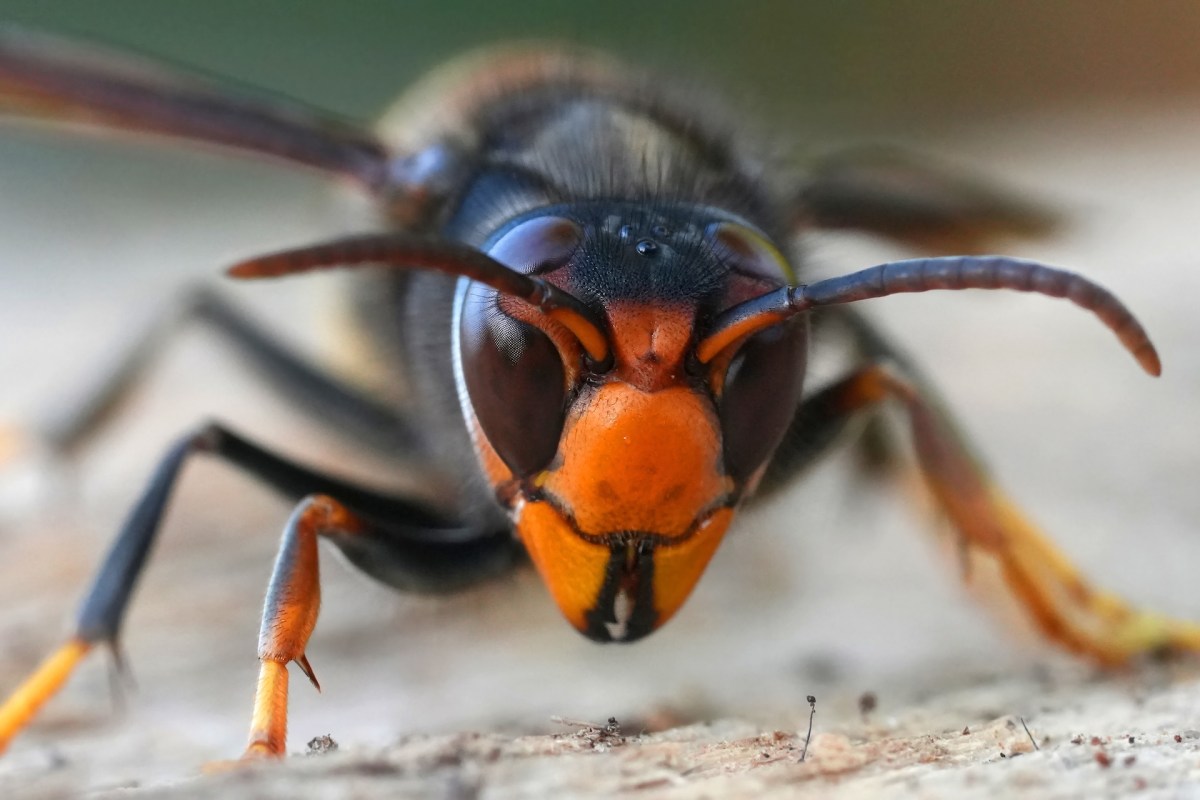
Scientists say the yellow-legged hornet's arrival in the Southeast could become a much wider problem than a single Georgia outbreak.
The invasive species may damage honeybee hives, prey on other pollinators, and potentially expand far north of its current range, with some projections reaching Canada.
What's happening?
Southern Living reported that the yellow-legged hornet, or YLH, was first identified in Savannah, Georgia, in 2023. Officials have since tried to contain it by trapping the insects and destroying nests, but nests have already been found in South Carolina, according to the publication.
"They have a much bigger range than most insects can fly," said Ben Powell, coordinator of Clemson University's apiculture and pollinator program. "They have a tremendous potential to disperse on their own or get inadvertently relocated."
The hornets pose a particular threat to honeybees.
"We know these pests are specialist predators," said Lewis Bartlett, PhD, assistant professor of entomology and honeybee health at the University of Georgia. "They attack honeybee colonies late in the year when lots of babies are present."
TCD Picks » Quince Spotlight
💡These best-sellers from Quince deliver affordable, sustainable luxury for all




Part of what worries researchers is how flexible the species appears to be. According to Southern Living, it can feed on many kinds of insects and also scavenge from carcasses or discarded human food, which is why Powell described them as "the most well-adapted invasive species we've seen."
Why does it matter?
Pollinators are deeply tied to both agriculture and the food supply, so losses can spread well beyond the hive. Southern Living noted that bees are especially important for honey and crops, meaning a predator targeting them could affect farmers, beekeepers, and consumers.
These hornets hunt bees in flight, positioning themselves outside hives and snatching returning foragers. If enough hornets gather, the colony may stop foraging altogether.
"They're already embattled, and this could be the straw that broke the camel's back," Bartlett warned.
Honeybees are not their only target. Powell said, "We've seen YLHs attacking other native pollinators, which may include sweat bees, beetles, bumble bees and moths."
That added pressure can further weaken ecosystems already strained by habitat loss, climate stress, and other invasive species.
People could also face risks because the hornets can form large colonies near homes and other structures.
"Their venom isn't more potent, but they can sting multiple times in large numbers," Powell said.
What's being done?
To keep the species from gaining a stronger foothold, state agencies and university experts have been acting on reports by setting traps and removing nests.
According to Powell, that work has so far helped avoid the kind of major honeybee losses reported in Europe after the species became established there.
Researchers are urging homeowners, gardeners, and beekeepers to watch closely for signs of the insect. Yellow-legged hornets are about 1 inch long, with black bodies and yellow-tipped legs. Southern Living noted that their early nests can appear as smooth paper-wasp nests about the size of a ping-pong ball in places such as sheds, grills, doorways, or under eaves.
If you notice a hornet or nest that seems unfamiliar, experts advise documenting it and reporting it to state agriculture officials or a local university extension service.
"If it's something you haven't seen before, take a photo or video and report it," Powell said. "Reporting and rapid response works. When we can recognize them and respond adequately, our efforts are effective."

Get TCD's free newsletters for easy tips, smart advice, and a chance to earn $5,000 toward home upgrades. To see more stories like this one, change your Google preferences here.






