


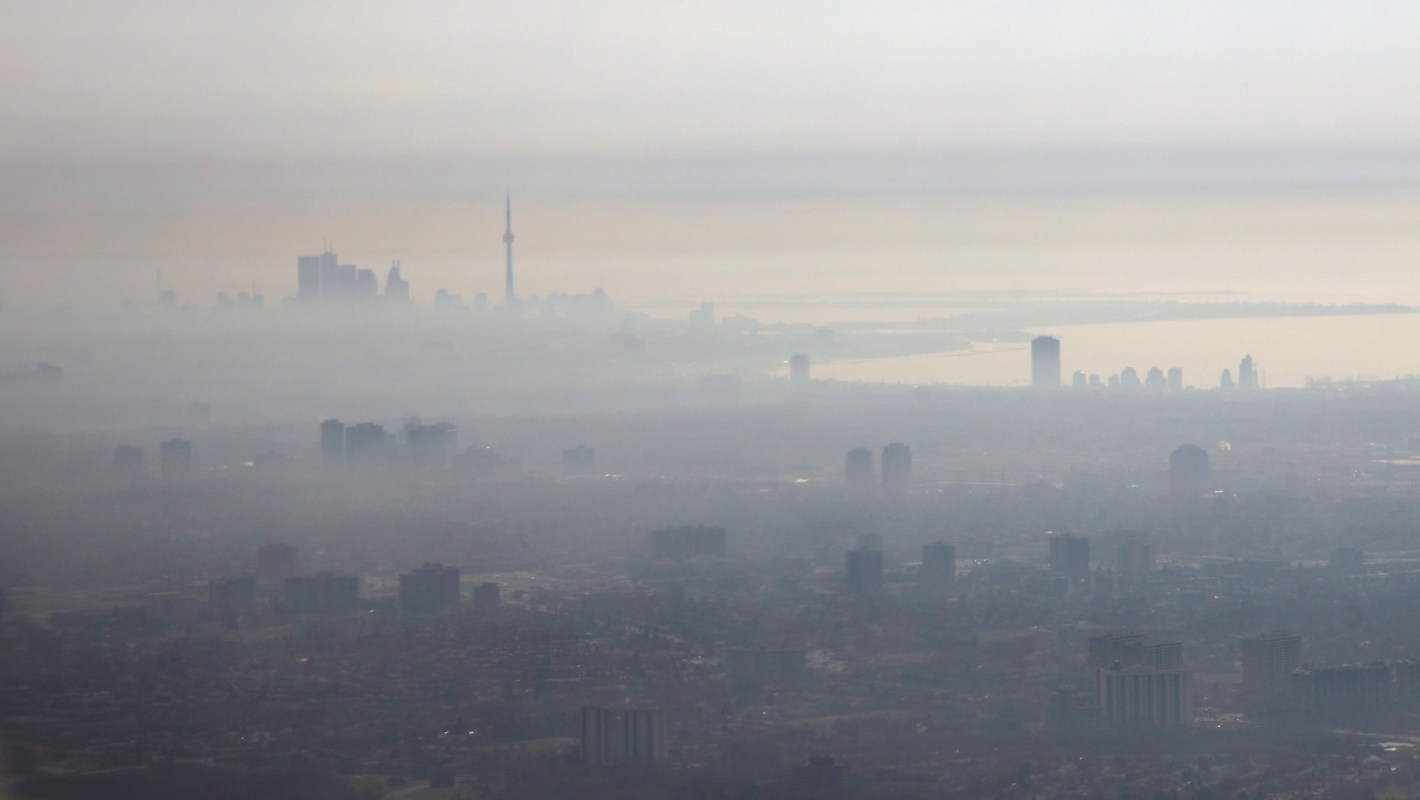
New research about Canada's air suggests that even low levels of pollution may be affecting people's health in ways that are easy to overlook, according to ConsumerAffairs.
What happened?
A recent study led by researchers at McMaster University found that ongoing exposure to common air pollutants was associated with lower performance in memory, comprehension, and processing speed. It also created subtle brain changes that were visible on MRI scans.
The researchers looked at data from almost 7,000 middle-aged adults in Canada through the Canadian Alliance for Healthy Hearts and Minds project, ConsumerAffairs reported.
The team looked at long-term exposure to fine particulate matter, or PM2.5, and nitrogen dioxide, a pollutant often linked to traffic that some studies have suggested may contribute to autism in children. PM2.5 can come from sources like wildfire smoke, industrial activity, and gas-powered vehicle pollution.
People living in areas with higher levels of those pollutants tended to perform worse on cognitive assessments measuring memory, understanding, and mental processing speed.
Greater exposure to traffic-related pollution was also tied to subtle signs of brain damage on MRI scans. The connection appeared stronger among women.
TCD Picks » Quince Spotlight
💡These best-sellers from Quince deliver affordable, sustainable luxury for all




These patterns showed up in a country with comparatively low air pollution by international standards.
"Canada's air is often described as clean, but our findings suggest that even low levels of air pollution are linked to worse brain health," lead author Sandi Azab said in a news release.
Why does it matter?
Air pollution is a threat to the lungs and heart, but this study adds to growing evidence that it affects the brain.
The findings suggest this damage could begin invisibly in midlife, long before obvious symptoms appear. It could then cause conditions like dementia to develop over many years.
The study does not establish that air pollution causes dementia or other cognitive disorders, but it does point to a potential early risk factor.
The findings suggest that "clean" does not always mean harmless. Communities may meet broad air quality expectations and still have pollution levels associated with measurable health effects.
Air quality matters during major smoke events, in heavily industrialized regions, and in everyday neighborhoods. That's especially true for people living near busy roads.
What's being done?
The researchers said more long-term studies are needed to determine whether lowering pollution exposure could help protect cognitive health over time.
Still, the findings could help guide future urban planning decisions aimed at reducing traffic-related pollution and protecting health before symptoms emerge.

Get TCD's free newsletters for easy tips, smart advice, and a chance to earn $5,000 toward home upgrades. To see more stories like this one, change your Google preferences here.






