


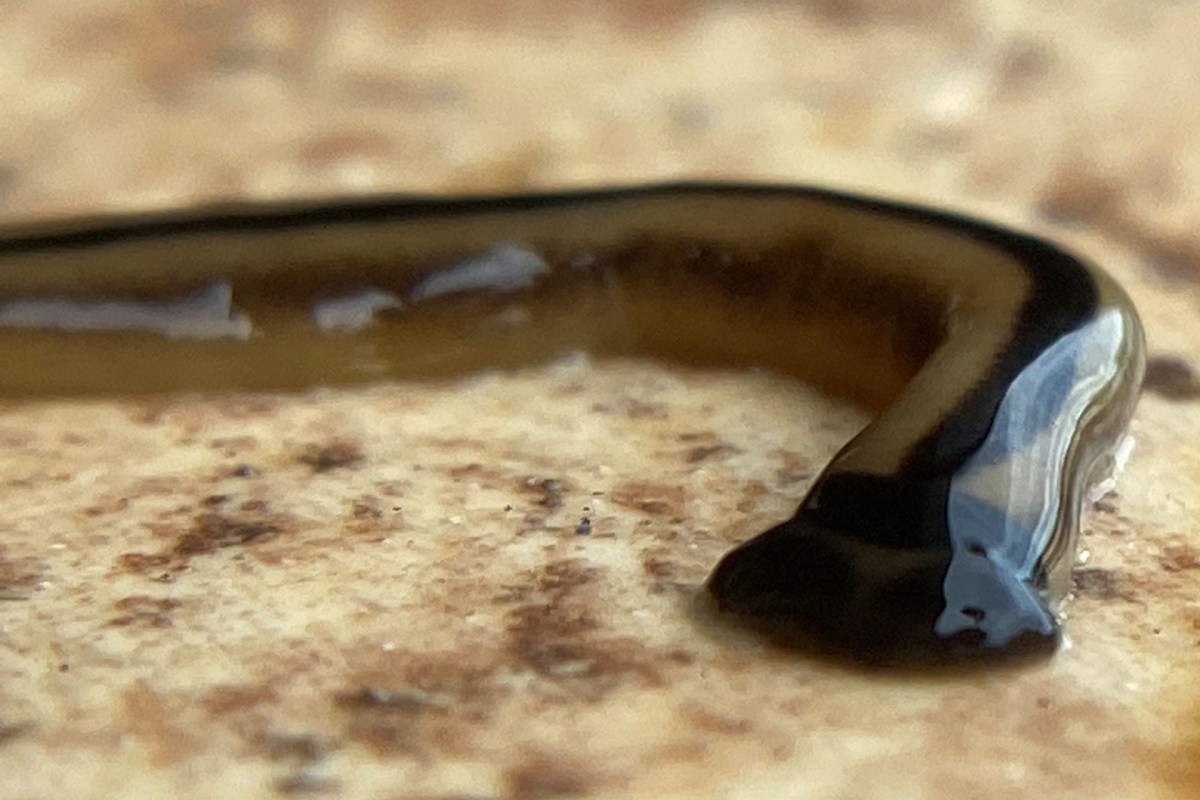
Maine officials urged residents last summer to watch out for a toxin-containing invasive species that has been appearing more frequently across the state: hammerhead worms.
If cut, multiple pieces of the unusual-looking flatworm can regenerate, so the wrong response could actually worsen the problem.
What's happening?
Sightings of hammerhead worms reportedly increased across the state in 2025, according to Maine Public Radio.
State horticulturist Gary Fish told the outlet that the non-native terrestrial flatworms — recognizable by their anvil-shaped heads and a stripe down their backs — have been present in Maine for a number of years.
The species originated in Southeast Asia but has since been introduced to various parts of the United States.
Fish did note that some of the increase in sightings may be linked to greater public awareness.
TCD Picks » Quince Spotlight
💡These best-sellers from Quince deliver affordable, sustainable luxury for all




"They're being found more often," he told Maine Public, "and it's probably related to the fact that people are more aware of them."
Officials have previously asked anyone who spots the worms to notify the state or record the sighting using the platform iNaturalist so experts can track how the species is spreading.
Why does it matter?
Hammerhead worms are more than just an unsettling sight in the garden. They can prey on worms and other grubs, potentially disrupting the essential systems that can help keep soil healthy.
Healthy soil supports home gardens, community green spaces, and local food-growing efforts. When non-native predators are introduced through human activity, they can upset the balance that helps plants thrive and communities build more resilient outdoor spaces.
The worms also present a safety concern. Fish told the radio station that they contain a toxin, so residents should not handle them with bare hands.
That adds another layer of concern for families, gardeners, and property owners who may suddenly find an unfamiliar and potentially harmful species on their property.
What can I do?
If you spot a hammerhead worm in the state, Maine officials have said the first step is to report it. Sharing sightings can help experts understand how far the worms have spread and where a management response may be needed most.
If removal is necessary, Fish recommends wearing gloves instead of touching the worm directly to avoid coming into contact with the toxin. To kill the worm, he advised placing it in soapy water or putting it in the freezer.
One key warning, however, is not to cut it in half. Unlike many pests people might instinctively squash or chop up, hammerhead worms can survive that kind of damage, with each severed piece potentially regenerating — and multiplying the original problem.
For homeowners and gardeners, that means a calm and careful response is probably the best one. Reporting sightings and properly disposing of the worms will not solve the invasive species problem on its own, but it can help reduce accidental spread and give state officials better information.

Get TCD's free newsletters for easy tips, smart advice, and a chance to earn $5,000 toward home upgrades. To see more stories like this one, change your Google preferences here.







