


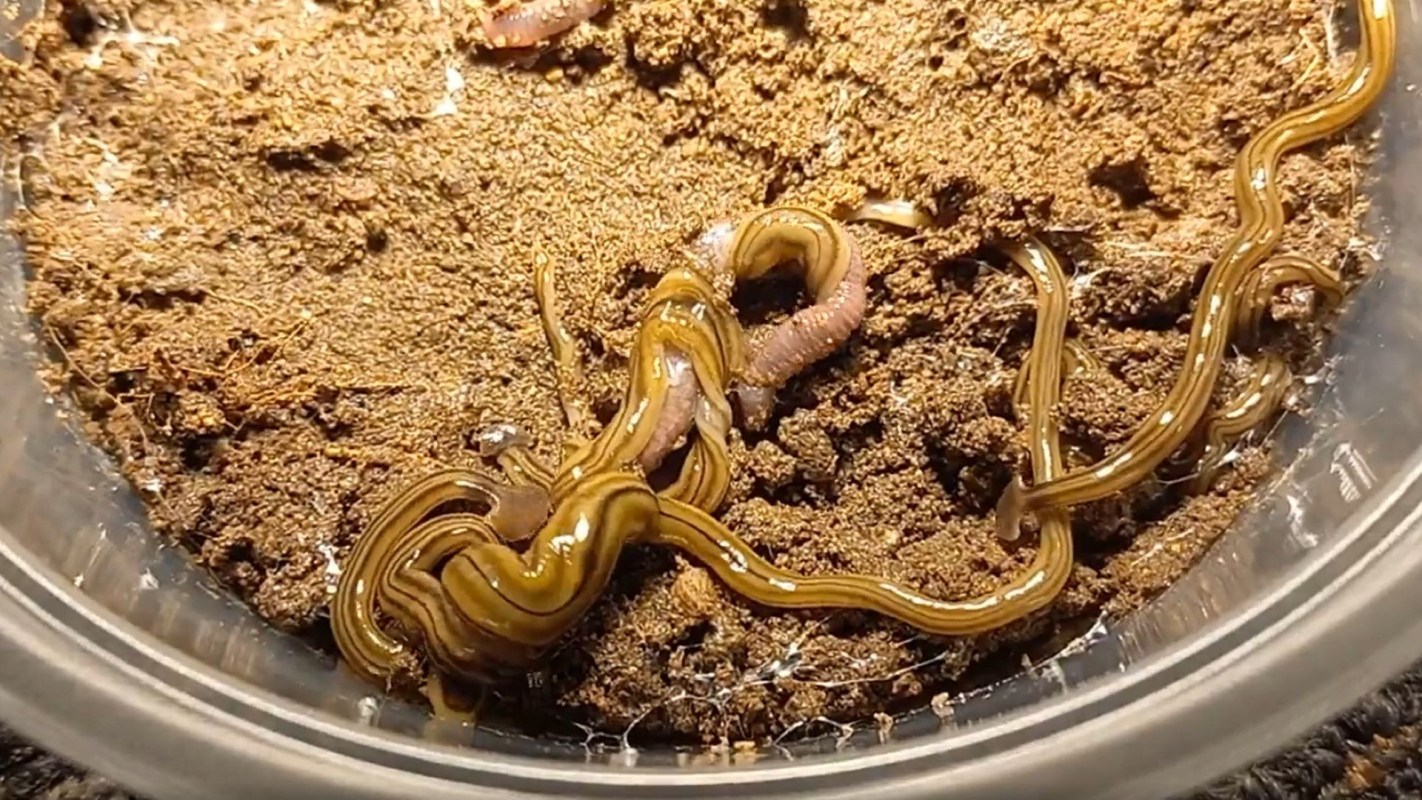
A skin-crawling video making the rounds online is putting a spotlight on one of the stranger invasive threats hiding in damp soil.
The video, shared on Reddit, shows multiple hammerhead worms feeding on an earthworm by wrapping around it like a python — a vivid example of why these ribbon-like predators have become a growing concern for gardeners, homeowners, and land managers in places where they do not belong.
(Click here if the embedded video does not appear.)
One commenter described the scene as both "horrifying" and "interesting," with one person writing that the worms are "such cool looking and fascinating creatures" despite their invasive reputation.
That mix of reactions is understandable. Hammerhead worms are unusual-looking animals, with broad, shovel-shaped heads and bodies that can grow surprisingly long. They prey on other creatures living in the soil and are known to use toxic mucus to help subdue their prey before feeding. The species was identified in the post as Bipalium kewense, and they have earned a reputation for being difficult to get rid of.
Many hammerhead worm species prey on earthworms, while others feed on slugs and snails. That can create problems for native soil life and for people trying to maintain productive yards and gardens. Even in places where some earthworm populations are themselves non-native, a predator can still upset already-stressed ecosystems.
Hammerhead worms devouring earthworms is a problem because healthy soil supports healthy communities. Soil ecosystems help sustain gardens, farms, native plants, and the insects and animals that rely on them. When an invasive predator enters that system, it can disrupt those relationships.
TCD Picks » Quince Spotlight
💡These best-sellers from Quince deliver affordable, sustainable luxury for all




For communities working to restore native habitat, invasive species like these can slow progress and raise costs. More time and money may be needed for monitoring, removal, and habitat recovery. That can leave fewer resources for building the greener, healthier neighborhoods many cities and towns are trying to create.

Get TCD's free newsletters for easy tips, smart advice, and a chance to earn $5,000 toward home upgrades. To see more stories like this one, change your Google preferences here.







