


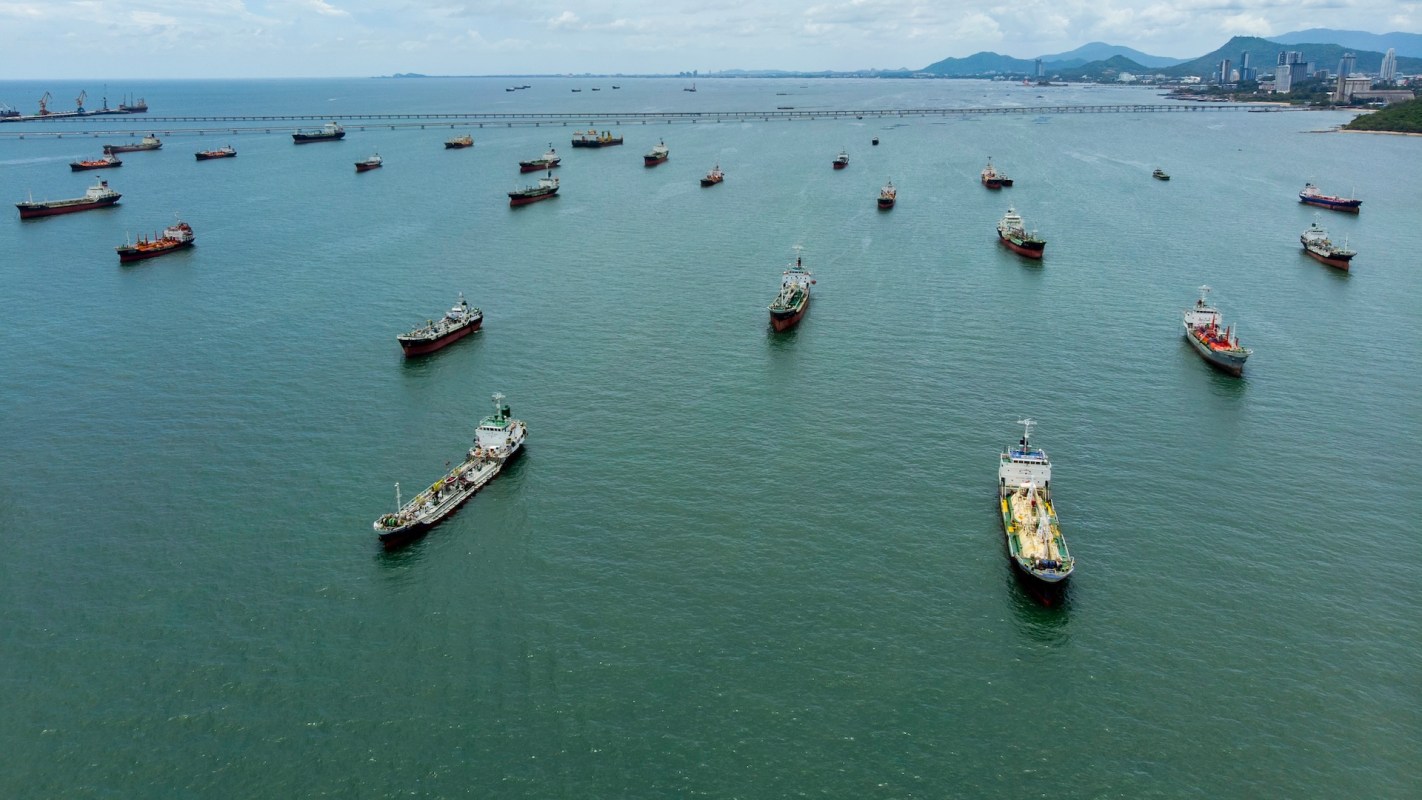
The shutdown of the Strait of Hormuz is doing more than sending fuel prices soaring. It is also pushing families, commuters, and entire countries to use less oil — a shift some experts say could outlast the crisis itself.
With about 20% of global oil shipments through the strait disrupted, average gas prices in the United States are now above $4.50 a gallon, up roughly 40% since late February, according to Grist.
That spike is already changing behavior. A late-April survey from ABC News, The Washington Post, and Ipsos found that 44% of U.S. adults said high prices were making them drive less, Grist reported. Transit agencies in places such as Cincinnati and Los Angeles have reported more riders, while Amtrak, used EV sellers, and hybrid car markets have also seen increased interest.
The International Energy Agency says the world is now experiencing "demand destruction" for oil. It is not just a temporary dip, but also a deeper shift in how people and businesses use energy. The agency recently forecast, as Grist reported, that oil demand will contract by 420,000 barrels per day this year. In Asia, where the shock has hit especially hard, factories are cutting petrochemical output, and drivers are buying less gasoline.
For households, the pain is immediate. U.S. drivers are paying tens of billions more for gasoline and diesel than they did a year ago. Even people who cannot stop driving are trying to stretch their budgets by combining errands, carpooling, and working remotely more often.
The bigger issue is what this says about dependence on nonrenewable energy sources. When oil supplies are disrupted, families and businesses are left exposed to sudden price spikes they cannot control. In wealthier countries, that means squeezed budgets. In lower-income countries, it can mean reduced industrial activity, shorter workweeks, and greater economic instability.
TCD Picks » Quince Spotlight
💡These best-sellers from Quince deliver affordable, sustainable luxury for all




The extraction, production, and burning of nonrenewable energy sources are also linked to worsening extreme weather disasters, which destroy homes, jobs, and local economies. They also drive air and water pollution associated with asthma, heart disease, cancer, and premature death.
That is why experts say this moment matters. Repeated oil shocks — first after Russia's invasion of Ukraine and now the Strait of Hormuz — may convince governments, companies, and consumers that sticking with nonrenewable energy is simply too risky.
Some countries are already responding with measures to cut fuel use. According to Grist, Pakistan, the Philippines, and Sri Lanka have adopted four-day workweeks to reduce commuting. South Korea's president urged a sharp shift toward renewable energy and said the country's future would be at risk if it continued to rely on nonrenewable energy sources.
Grist also noted that think tank Ember says Asia could now accelerate electrification by expanding EV use and pushing liquefied natural gas out of power generation.
Individuals are testing transit, biking, scooters, and carpooling, while others are choosing more fuel-efficient cars or hybrids when they need a vehicle.
"Import dependency is just incredibly risky at the moment," Daan Walter, who leads strategy research for Ember, told Grist.
And as Susan Handy, professor of environmental science and policy at the University of California, Davis, put it: "It is what pushes behavior change." That statement is a reminder that shocks can sometimes open the door to cleaner, cheaper routines that last.

Get TCD's free newsletters for easy tips, smart advice, and a chance to earn $5,000 toward home upgrades. To see more stories like this one, change your Google preferences here.






