


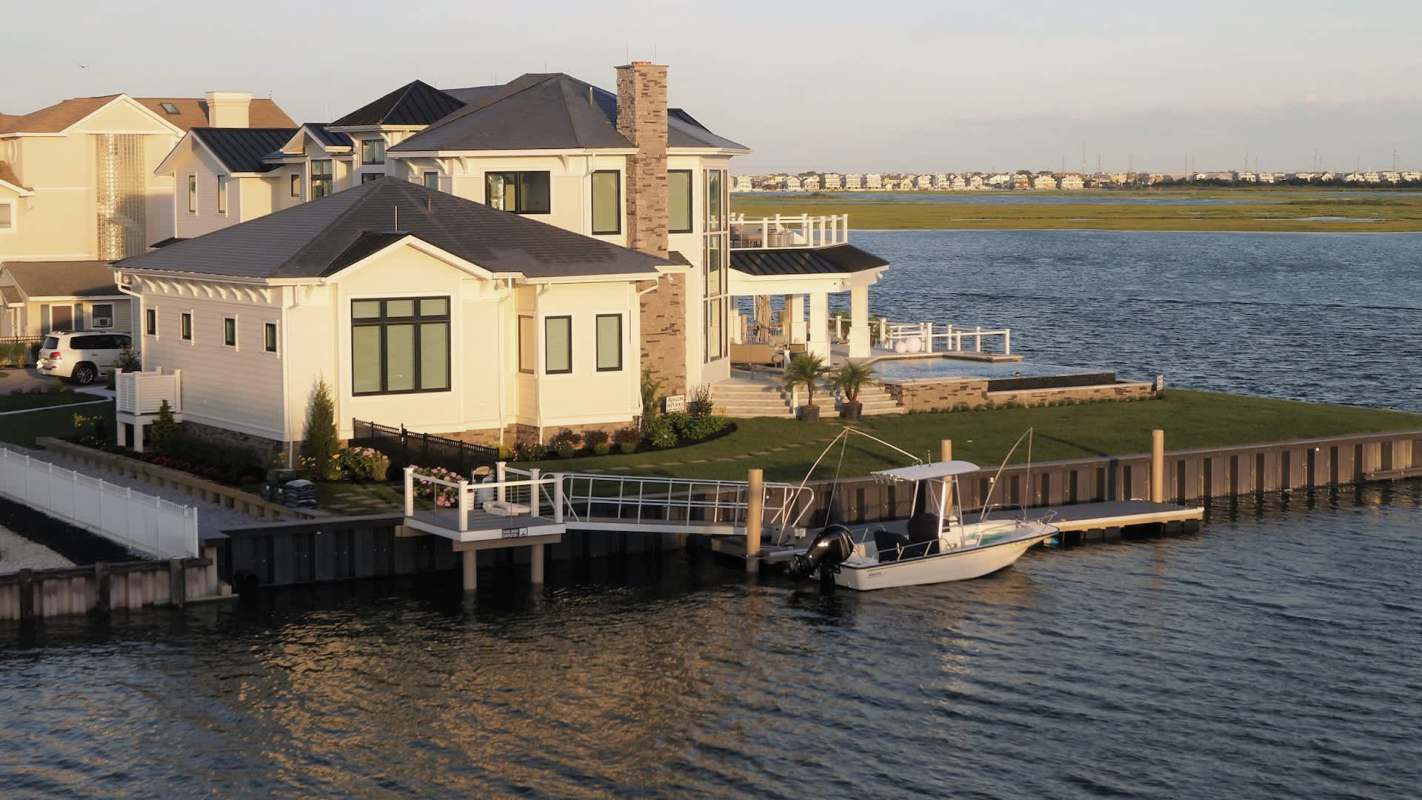
Luxury development is continuing along the Jersey Shore despite warnings about rising sea levels, fueling a fierce fight over whether New Jersey should require tougher flood protections for new homes.
What's happening?
From million-dollar condos in Asbury Park to new townhouses in Somers Point, coastal construction is booming in areas that scientists say face growing flood risk in the decades ahead, Inside Climate News reported.
That building surge is now colliding with New Jersey's Resilient Environments and Landscapes, or REAL, rules adopted in January. The regulations aim to help communities prepare for future flooding instead of relying only on past storm data. One of the most controversial changes would make new shore houses and major renovations rise four feet above the current FEMA requirements.
Supporters say the rules simply reflect reality. Citing the New Jersey Climate Change Resource Center, ICN reported that roughly 18 inches of ocean rise have been recorded along the Jersey Shore since the early 1900s — compared with about 8 inches globally. Projections show waters could rise by as much as 4.4 feet by 2100.
The rules, however, are facing intense pushback from business groups, local officials, and lawmakers in both parties. At least four counties are challenging them in court. Industry groups have also appealed, arguing the standards are too costly and too burdensome. A resolution introduced in the state legislature could also effectively block the measures.
Why is flood protection at the Jersey Shore important?
The flood protection actions that New Jersey takes now will determine whether entire communities will remain livable, insurable, and accessible as flooding becomes more common.
TCD Picks » Quince Spotlight
💡These best-sellers from Quince deliver affordable, sustainable luxury for all




Higher seas and sinking land are making New Jersey especially vulnerable. That means more sunny-day flooding, when roads and low-lying neighborhoods take on water even without a major storm. It also raises the stakes for emergency access, public infrastructure, wetlands, and local tax bases.
If the state backs away from stronger standards, it could lock in years of development that are less prepared for what is coming. That would leave homeowners, first responders, and taxpayers in a more difficult position when the next major flood hits. Communities could then end up paying even more for repairs and road elevations.
Environmental advocates say that is exactly why the fight matters. Building in risky areas without accounting for rising water can deepen an already serious problem while slowing progress toward safer, more resilient neighborhoods for everyone.
And the concern is not hypothetical. Some shore towns are already dealing with more frequent tidal flooding, an early warning that bigger disruptions could be on the way.
How is New Jersey creating flood protection for the shore?
New Jersey's REAL rules are the most significant statewide effort now on the table. They update flood maps, require stronger stormwater protections, and add safeguards for wetlands and marshes, which can help absorb floodwaters and reduce erosion.
Some local leaders are also moving ahead on their own. According to ICN, officials in Manasquan are advancing plans to raise vulnerable roads. This could help elevated homes offer limited protection if residents and emergency crews still cannot move safely during floods. Other communities have added pumps, valves, and bulkheads to manage rising water.
For residents, the most meaningful actions are often the larger ones: supporting smart land-use planning, protecting wetlands, pushing for infrastructure upgrades, and factoring long-term flood risk into homebuying decisions. Communities can also support leaders willing to plan for the coming decades rather than only the next few years.

Get TCD's free newsletters for easy tips, smart advice, and a chance to earn $5,000 toward home upgrades. To see more stories like this one, change your Google preferences here.







