


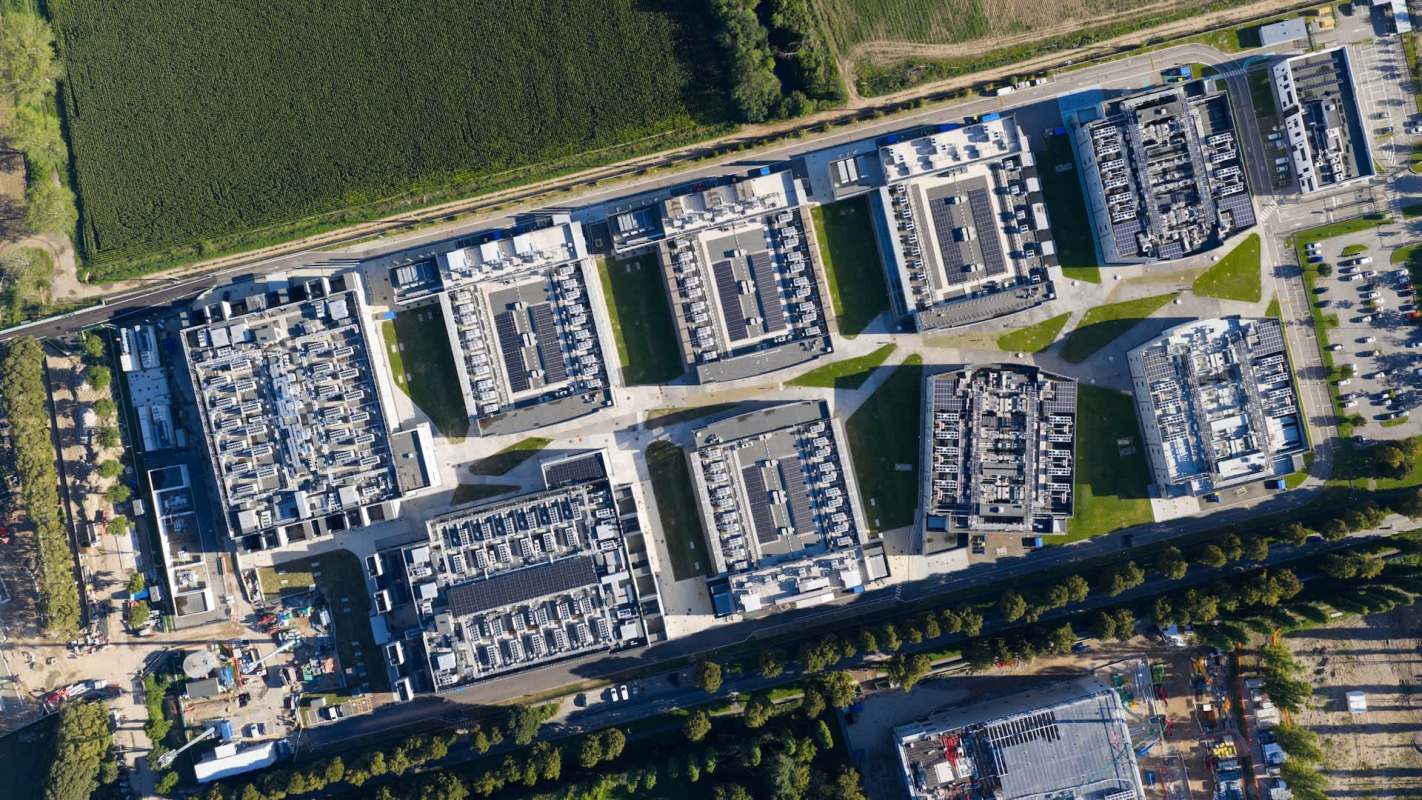
A proposed $10 billion data center in Imperial, California, has become the center of a much larger statewide debate over how far the AI infrastructure boom should go, according to Inside Climate News.
What's happening?
The controversy comes as California is on track to surpass 300 data centers. The state already has 288 operating facilities as of May 10, 2026, according to the Data Center Map. Cleanview analysts say 25 more are planned by 2030, including the proposed data center in Imperial.
That rapid growth is arriving as communities and regulators continue to wrestle with questions over electricity demand, water consumption, and oversight.
In Imperial County, the proposed facility would be built less than half a mile from some homes and could span roughly 17 football fields if completed in 2028. Developer Sebastian Rucci said the two-story project would use 330 megawatts of power and about 750,000 gallons of water per day while generating construction activity and around 100 permanent jobs, according to ICN.
However, the project is facing litigation, and local officials say its long-term utility impacts are still unknown.
Why is the proposal concerning?
The Imperial project is drawing attention not only because of its size, but also because it highlights a broader regulatory gap in California.
TCD Picks » Quince Spotlight
💡These best-sellers from Quince deliver affordable, sustainable luxury for all




According to ICN, California does not require AI data centers to disclose water use, and the state's Water Resources Control Board keeps no dedicated list of water rights held by such facilities.
Shaolei Ren, associate professor at UC Riverside, told ICN that a large 100-megawatt facility may use roughly 1 million gallons of water on the hottest days for evaporative cooling, though use can allegedly drop to zero when the weather is cooler.
AI is also deeply tied to the power grid, as the servers that train and run models require enormous amounts of electricity and cooling. That demand can place additional strain on regions already facing drought conditions or aging infrastructure.
At the same time, AI may help utilities forecast electricity demand, improve grid efficiency, and support the integration of cleaner energy sources. Still, the same technology that may help optimize power systems can also intensify electricity demand, increase water consumption, and raise concerns about security, misuse, and consumer costs.
That tension is especially important for households. A U.S. Water Alliance Value of Water poll found 54% were extremely or very concerned about local water quality, supply, and costs, while about two-thirds said states should have a plan to address those impacts, according to ICN.
What are residents saying?
For residents in Imperial, those concerns are personal.
One nearby mother told ICN that her monthly charges for water, sewer, and trash run about $90 to $130, more than twice what she was paying six years ago. Others have expressed concern about dust, noise, asthma triggers, and declining home values.
Many residents opposed to the proposed data center have put signs in their yards that read "Not In My Backyard" along with the words "Data Center" in the middle of a large red cancel symbol.
As Ren put it, "Water is not purely an environmental issue. In many places, it is fundamentally an infrastructure challenge."
For residents such as Margie Padilla, however, the fear is more immediate.
"I can only imagine the rates going up once that data center is up and running," she said.

Get TCD's free newsletters for easy tips, smart advice, and a chance to earn $5,000 toward home upgrades. To see more stories like this one, change your Google preferences here.






