


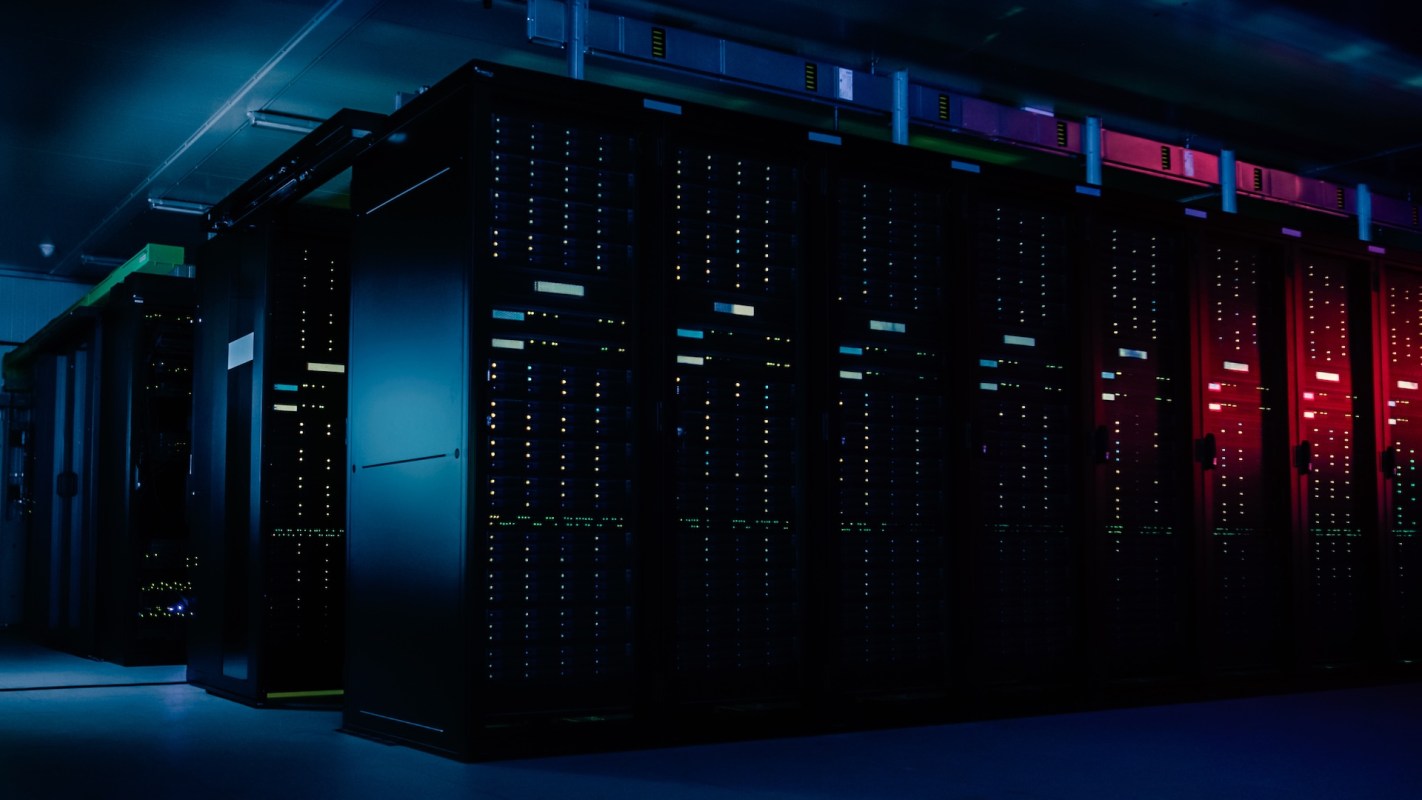
As data centers pop up at breakneck speed and companies invest billions in them, people are also heavily discussing their actual cost. It seems the biggest cost burden lies on the environment and public health of the communities surrounding them.
One of the main criticisms of these enormous data centers has been their environmental cost, stemming from their use of water, land, and electricity. However, Fortune reported that, according to a National Bureau of Economic Research working paper, the cost might also directly affect residents' health.
The report indicates that North American data centers experienced a surge in investment, reaching approximately $47 billion last year. Major players like Google and Meta took out substantial loans totaling $182 billion.
A March study from the NBER suggested that the increase in data centers also leads to greater air pollution concentration, which may impose $25 billion in public health damages. Rather than reflecting the day-to-day costs, the analysis narrows in on the cost of premature deaths attributable to the environmental impact of data centers.
Nicholas Muller, an economist from Carnegie Mellon University and author of the NBER working paper, noted, "In the context of data center power consumption, the external costs from power generation are borne by consumers exposed to PM2.5."
These facilities cost the economy $25 billion in 2025, of which $3.7 billion is directly tied to artificial intelligence. This issue may escalate as the technology advances and the demand for data centers continues to grow.
TCD Picks » Quince Spotlight
💡These best-sellers from Quince deliver affordable, sustainable luxury for all




On top of the enormous costs at the environmental and community levels, data centers aren't delivering the widespread economic benefits promised to the communities hosting them.
According to Fortune, the employment boom and tax revenues that data centers offer have swayed local governments to approve them. Between taxes paid on property and equipment, data centers are becoming the single largest local taxpayer.
Data center construction rarely leads to a permanent rise in local employment, however, while the environmental and health implications are certainly long-term.
As this information grows and residents' electric bills rise, local opposition to data centers also grows, and communities are fighting back. Opposition has led to the delay or cancellation of multiple projects and billions of dollars in losses.
There are also concerns over the AI technology that the centers power. AI has potential benefits, such as optimizing clean energy systems and advancing medicine. Despite that, many people find that the risks and drawbacks currently outweigh the benefits.
Muller suggested that the public health costs associated with data centers may be minimal if AI successfully transforms the economy. For instance, if AI contributes to a 1% increase in GDP, the environmental costs of data centers would represent only 1% of that growth.
In the meantime, Fortune reported that Muller wrote that the impact of additional harmful carbon pollution will "manifest many years following emission, and hence, reflect an externality borne by future generations."

Get TCD's free newsletters for easy tips, smart advice, and a chance to earn $5,000 toward home upgrades. To see more stories like this one, change your Google preferences here.






